Sri Lanka's best-known attractions deserve their popularity, but they represent only part of the island. Beyond Ella, Sigiriya and the busiest southern beaches are northern islands, forest monasteries, quiet lagoons, mountain settlements and archaeological sites that receive fewer international visitors.
These places are better described as quieter or underrated than secret. Some are popular with Sri Lankan travellers, and conditions can change with weekends, holidays, weather and road access. This guide covers 25 rewarding alternatives and the practical details needed to explore them responsibly.
Northern Sri Lanka: Islands, Dunes and Wetlands
Allow extra travel time in the north. Public transport is available on many routes, but ferry timetables, road conditions and services can be limited outside Jaffna and Mannar.
1. Delft Island
Delft, or Neduntheevu, is known for coral-stone walls, windswept roads, colonial-era remains and free-roaming ponies. Ferries usually leave from the Kurikadduwan jetty, but schedules depend on weather and local operations. Carry drinking water, sun protection and cash.
2. Kayts Island
Connected to the Jaffna Peninsula by causeways, Kayts offers quiet coastal scenery, fishing communities and historic churches. It suits an unhurried bicycle, tuk-tuk or scooter trip, although midday heat can be intense. Ask before photographing people, fishing activity or sensitive infrastructure.
3. Point Pedro and Manalkadu
Point Pedro marks Sri Lanka's northern edge, while nearby Manalkadu has broad dunes and the atmospheric remains of an old church. The landscape is exposed, with little shade. Avoid climbing unstable ruins and follow local advice where sand or road conditions have shifted.
4. Mannar Island
Mannar combines baobab trees, coastal villages, the remains of Mannar Fort and the long road towards Talaimannar. Seasonal birdlife adds interest, particularly around surrounding wetlands. Distances are larger than they appear, so a bicycle is best reserved for shorter sections.
5. Chundikkulam National Park
This remote northern wetland supports waterbirds and other wildlife, especially when seasonal conditions are favourable. Visitor facilities and approach roads can be basic. Check current access with the Department of Wildlife Conservation or a reputable local operator before making the long journey.
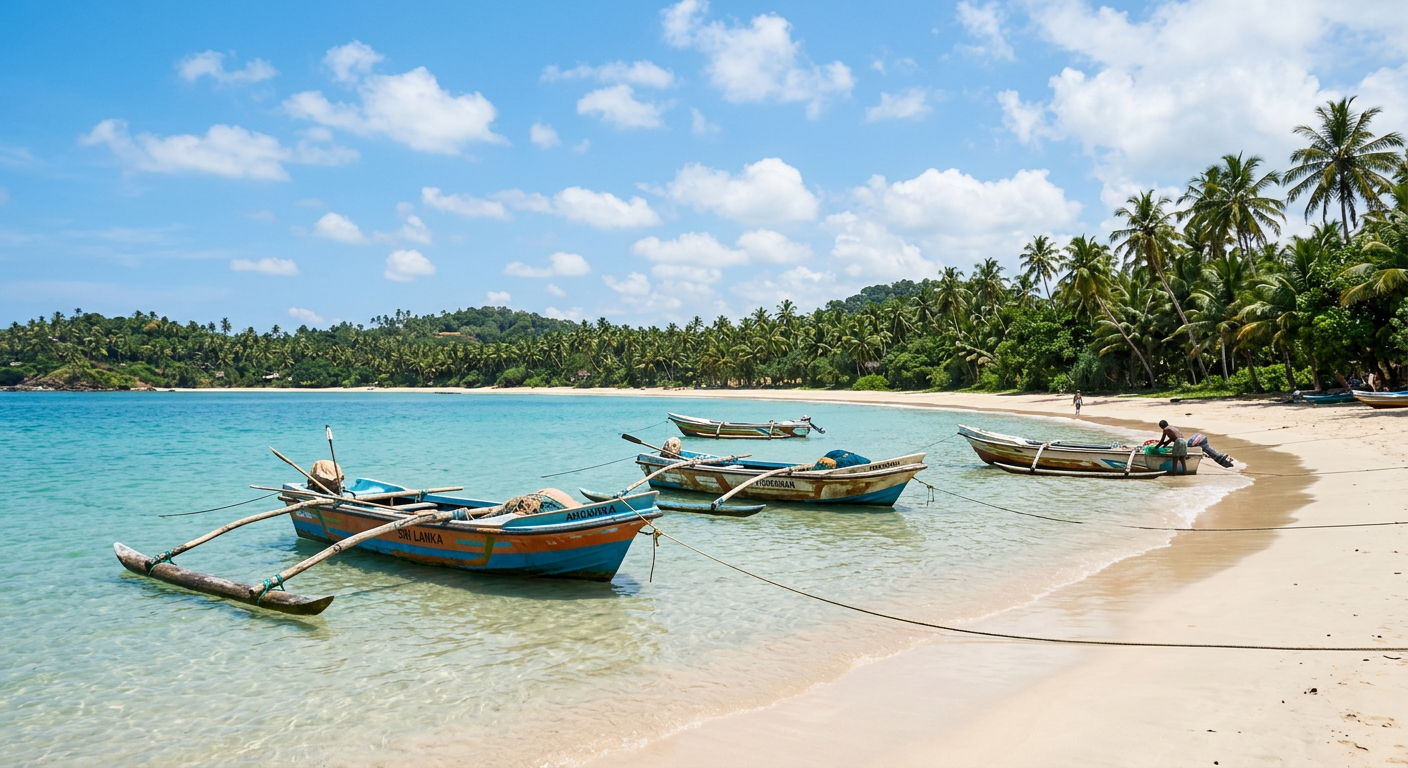
East Coast Beaches and Cultural Landscapes
The east coast is generally most inviting during its drier months, but sea conditions vary. Never assume an undeveloped beach is safe for swimming simply because the water looks calm.
6. Kalkudah Beach
Neighbouring Pasikuda receives more resort traffic, while Kalkudah retains longer, less-developed stretches of sand. Visit early for a quiet walk and check currents before entering the water. Shade, food outlets and changing facilities may be limited away from the main access points.
7. Kuchaveli
North of Trincomalee, Kuchaveli offers a slower coastal base with fishing villages and uncrowded-looking beaches. It is useful for travellers who prefer small guesthouses to a resort strip. Confirm transport in advance and seek local guidance about seasonal waves and currents.
8. Batticaloa Lagoon
Batticaloa's lagoon, bridges, fort and Tamil food culture reward a stay rather than a quick transit stop. A locally operated boat trip can reveal mangroves, fishing practices and birdlife. Choose an operator who provides life jackets and avoids disturbing wildlife or working nets.
9. Kumana National Park
Kumana is known particularly for wetland birds, although sightings depend on season, weather and luck. It can be a quieter safari alternative to Yala's busiest blocks. Enter only through authorised arrangements, follow park rules and keep expectations realistic rather than chasing guaranteed sightings.
10. Kudumbigala Monastery
Near Kumana, this ancient forest monastery occupies a striking rocky landscape. The climb is exposed and can be demanding in strong heat, so start early and carry water. Dress modestly, keep noise low and remember that this remains an active religious setting.
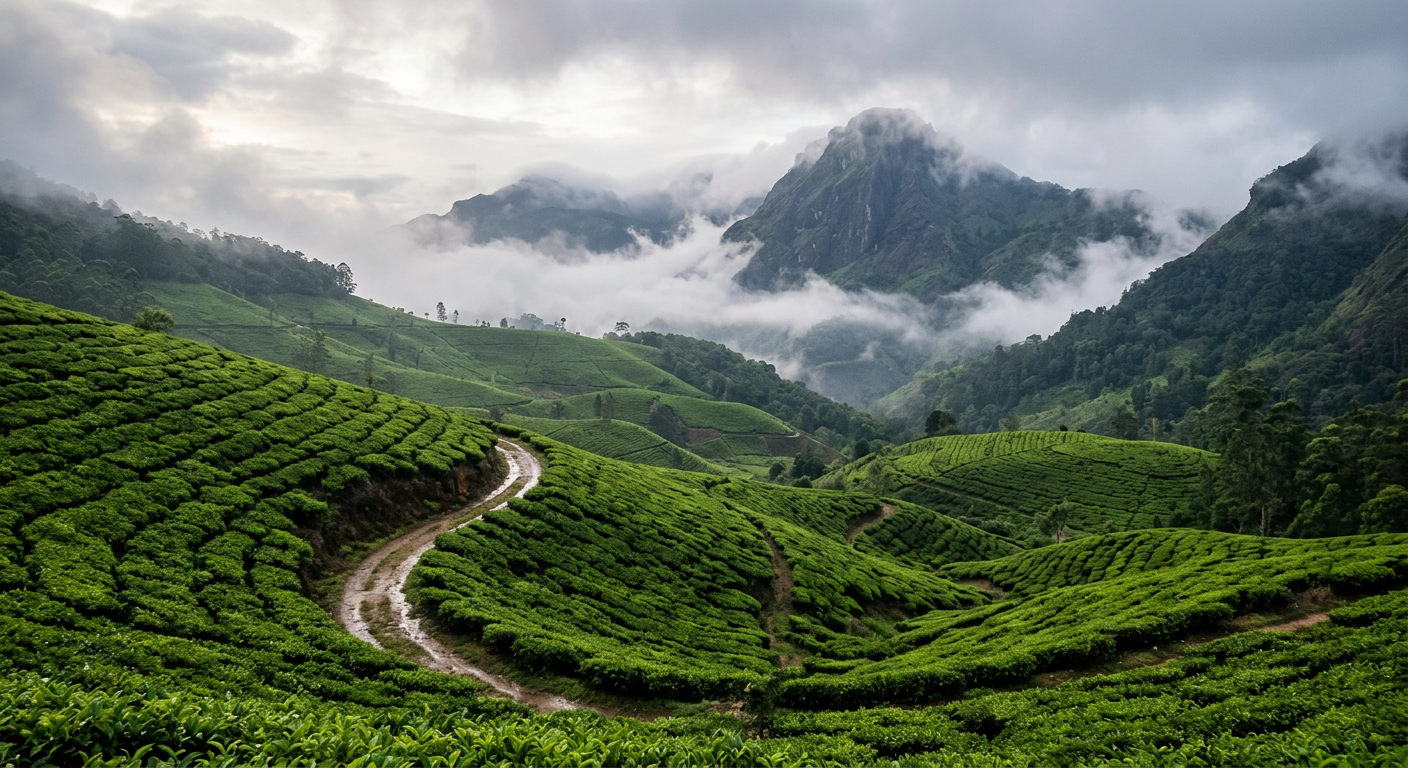
Quiet Places in Sri Lanka's Hill Country
Mountain weather changes quickly, and mist can obscure famous views. Build flexibility into hiking days and avoid exposed routes during thunderstorms or heavy rain.
11. Haputale
Haputale sits on a narrow ridge surrounded by tea country and is a practical alternative to Ella. Lipton's Seat is the best-known excursion, but town walks and nearby estates are equally rewarding. Visit viewpoints early, before cloud commonly gathers over the hills.
12. Idalgashinna
This small railway settlement is celebrated for its high ridge and expansive views when skies are clear. Train services are limited, so verify current schedules and arrange onward transport if necessary. Do not walk along active railway tracks, even when they appear quiet.
13. Belihuloya
Belihuloya provides access to forest edges, reservoirs and varied walking country between the wet and dry zones. Some waterfall routes become hazardous after rain. Use a knowledgeable local guide for unfamiliar trails and never enter fast-flowing pools based solely on social-media recommendations.
14. Mandaram Nuwara
Encircled by mountains below Pidurutalagala, Mandaram Nuwara is known for vegetable plots, mist and frequent rainfall. The winding approach is part of the experience, but travel can be slow. Confirm accommodation and transport before arriving, especially outside weekends and holidays.
15. Knuckles Mountain Range
The Knuckles Conservation Forest forms part of Sri Lanka's UNESCO-listed Central Highlands and contains demanding trails, waterfalls and remote settlements. Routes and access rules differ by entrance. Arrange a responsible local guide, stay on approved paths and carry out all rubbish.
Lesser-Visited Ancient and Sacred Sites
These are living cultural places as well as visitor attractions. Cover shoulders and knees, remove footwear where requested and never pose with your back directly towards a Buddha image.
16. Ritigala
Ritigala's stone pathways and monastic ruins lie within a protected forest landscape north of Habarana. Visitors may explore the designated archaeological area, not the entire reserve. Wear shoes suitable for uneven, damp stone and observe signs restricting entry to sensitive areas.
17. Yapahuwa
Yapahuwa briefly served as a medieval royal capital and is distinguished by an ornate stone staircase rising towards a rock fortress. The upper climb is steep and exposed. Pause at the museum and lower ruins rather than treating the site only as a viewpoint.
18. Dambadeniya
Another former capital, Dambadeniya receives relatively few overseas visitors. Its historic temple and rock summit help place Sri Lanka's medieval kingdoms in context. Ask locally about the appropriate route, carry water and avoid the climb during rain or peak afternoon heat.
19. Buduruwagala
Near Wellawaya, seven rock-cut Buddhist figures emerge from a broad cliff face, with the central standing Buddha dominating the group. The woodland setting is peaceful, but it is still a sacred site. Dress respectfully and allow time to notice the smaller carvings.
20. Maligawila
Maligawila is home to a monumental freestanding Buddha statue, while nearby Dambegoda has an important Bodhisattva figure. The spacious archaeological grounds are often quiet. Combine both sites, bring water and check local opening or ticket arrangements before travelling a long distance.
Southern and Central Detours
Southern Sri Lanka is not uniformly crowded. Wetlands, temples and less-developed coves offer quieter experiences once travellers move beyond the main resort centres.
21. Kalametiya Bird Sanctuary
Kalametiya protects lagoons, reed beds, mangroves and coastal habitat east of Tangalle. Community boat trips are usually most comfortable early in the day, although wildlife sightings vary. Select a guide who keeps an appropriate distance from nesting and feeding birds.
22. Rekawa
Rekawa is associated with marine-turtle nesting, but sightings are never guaranteed. If joining an evening visit, use a conservation-led programme that controls group size and lighting. Never touch a turtle, use flash photography or block its route between the sea and beach.
23. Mulkirigala Rock Temple
Often compared with a smaller Dambulla, Mulkirigala has cave shrines and painted interiors arranged across a steep rock. Numerous steps connect the terraces, making an early visit more comfortable. Remove shoes where required and ask before photographing shrine interiors.
24. Silent Beach
This palm-backed cove near Tangalle can feel secluded outside busy periods, but it is not guaranteed to be empty. Access paths and neighbouring property arrangements may change. Ask locally for the current public approach and take particular care when the sea is rough.
25. Jathika Namal Uyana
North of Dambulla, Jathika Namal Uyana combines an ironwood forest with a prominent rose-quartz ridge. The exposed climb becomes hot quickly, while sections can be slippery after rain. Start early, carry water and follow designated paths through the protected landscape.
Practical Tips for Exploring Beyond the Main Route
- Check seasonal conditions: The north, east, hills and south do not share identical weather patterns. Ask accommodation hosts about recent rain, road access and sea conditions.
- Plan transport realistically: Buses are inexpensive but can be crowded, and services to remote places may finish early. Trains require current timetable checks. A licensed driver can be useful for multi-stop days.
- Use official sources: Confirm park access, permits, opening times and fees with the relevant site, the Department of Wildlife Conservation or established tourism information channels.
- Carry essentials: Water, sun protection, mosquito repellent, modest temple clothing, cash and an offline map are useful where shops, mobile coverage or card payments are unreliable.
- Choose guides carefully: For mountain routes, wetlands and wildlife areas, use an experienced local guide who respects boundaries and provides suitable safety equipment.
- Avoid risky shortcuts: Do not walk on railway tracks, climb unstable ruins, enter rough water or cross restricted land for a photograph.
- Travel lightly: Refill water where safe, refuse unnecessary plastic and take waste away from beaches, forests and archaeological sites.
- Respect communities: Ask before photographing people, dress conservatively around religious places and avoid describing lived-in villages as untouched or undiscovered.
Sri Lanka rewards travellers who slow down, verify local conditions and leave room for unexpected changes. Choosing a few of these 25 places, rather than rushing through them all, creates a more meaningful journey while supporting communities beyond the island's busiest tourism hubs.