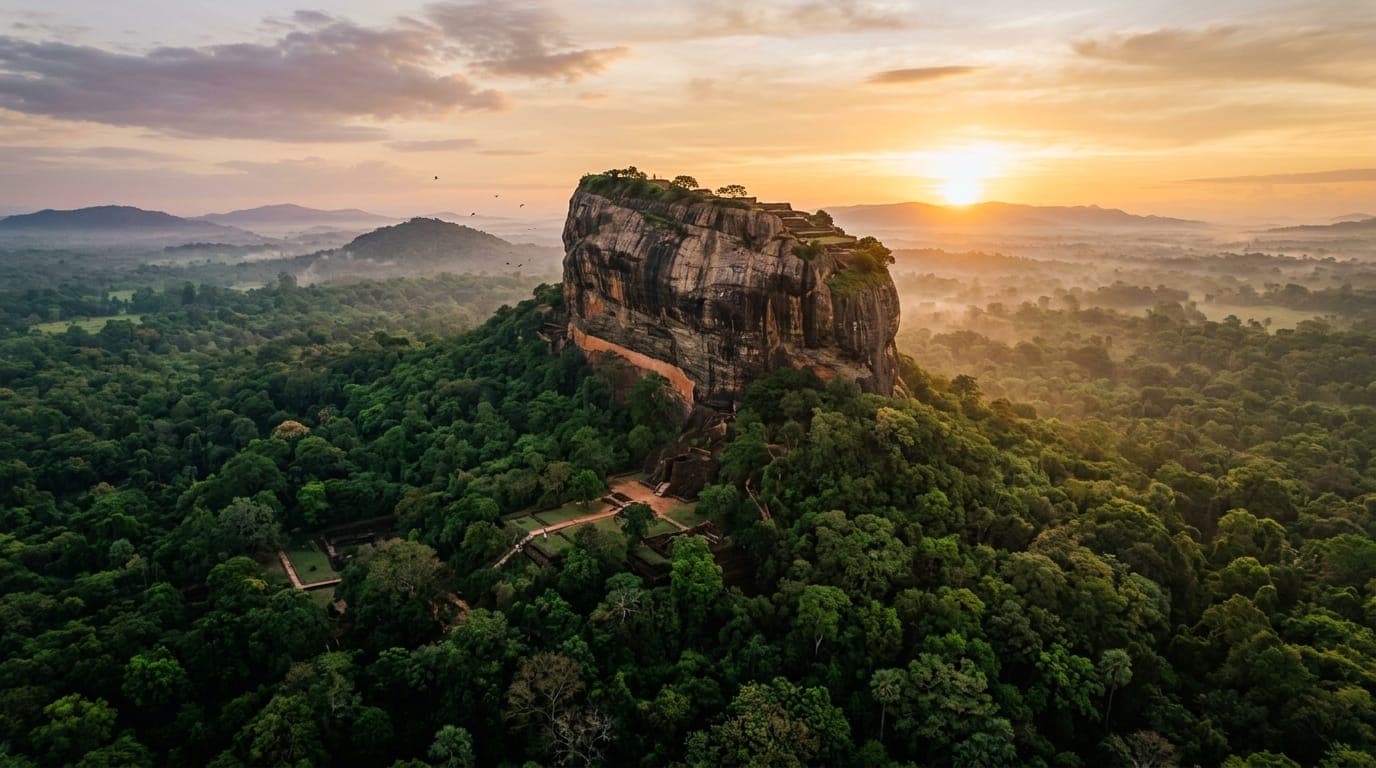
Places with a pulse
Where the island takes you.
Structured destination guides built for travellers and AI search — when to go, how to arrive, and what matters on the ground.
Browse Sri Lanka destinations from Cultural Triangle rock fortresses and hill-country rail towns to south-coast forts and wildlife parks. Each guide covers best time, access, highlights and practical tips.
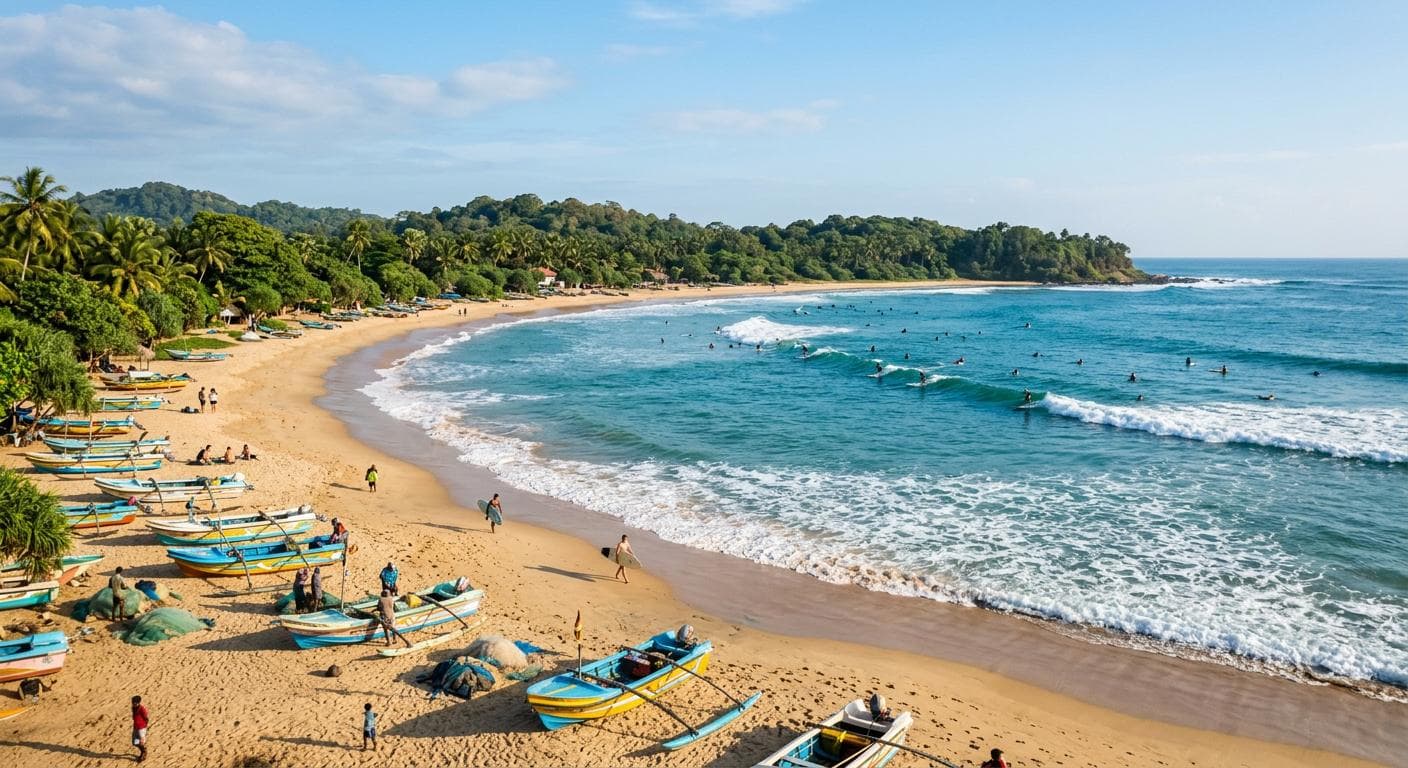
Eastern Province
Arugam Bay
Arugam Bay is a relaxed, crescent-shaped surf town on Sri Lanka's southeast coast, in Ampara District (Eastern Province), a few kilometres south of Pottuvil. It is famous for its right-hand surf breaks, led by Main Point. The main season runs from April to October, and the surf is usually most consistent from May to September. There is no railway, so allow about 8–10 hours by road from Colombo or 3–4 hours from Ella.
Best April to October is the main surf season, most consistent May to September. July and August are busiest, so book early. November to February is quiet and wetter, and some hotels, restaurants and surf businesses close or cut back.
Central Province
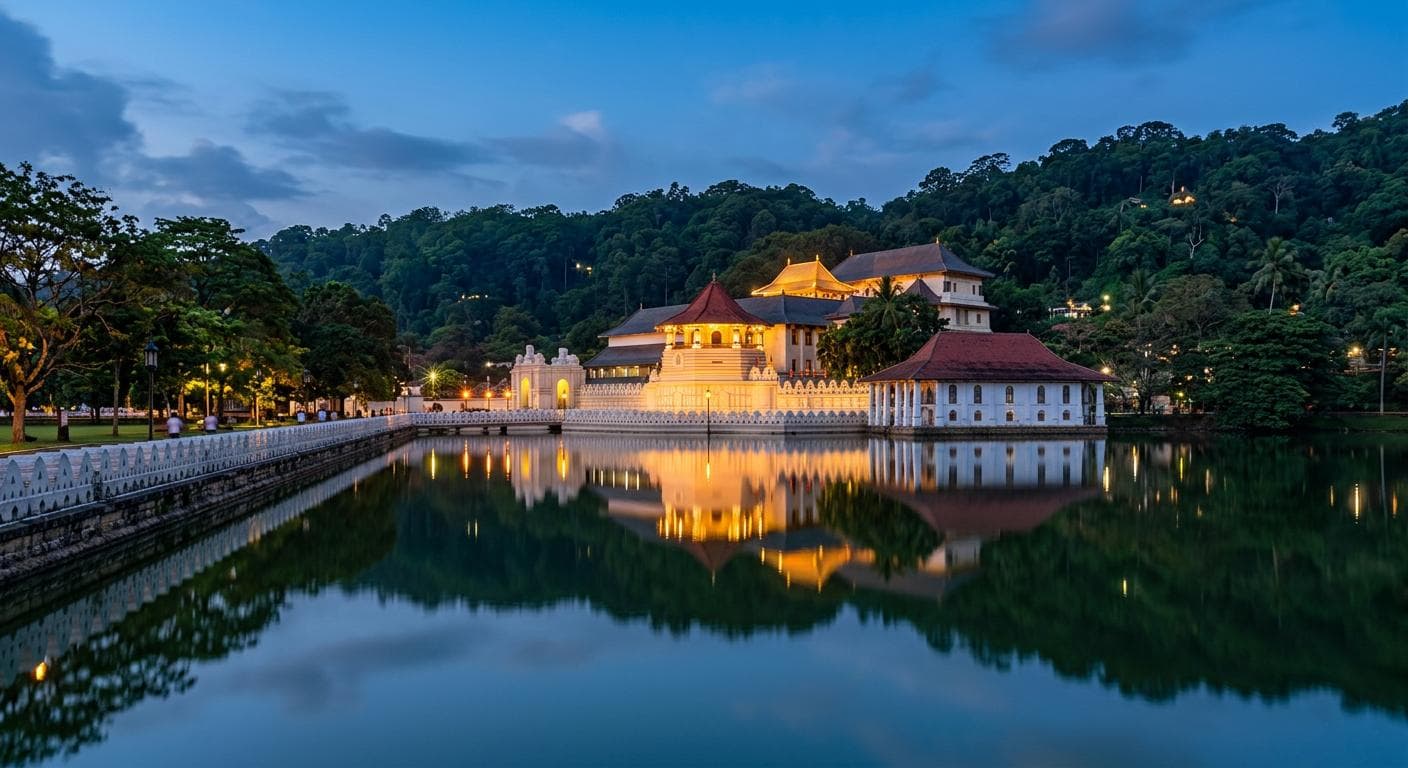
Kandy
The cultural heart of Sri Lanka, Kandy is a vibrant city nestled amidst lush hills, home to the sacred Temple of the Tooth Relic and a rich history of ancient kings.
Best December to April, when the weather is generally dry and pleasant.
North Central Province
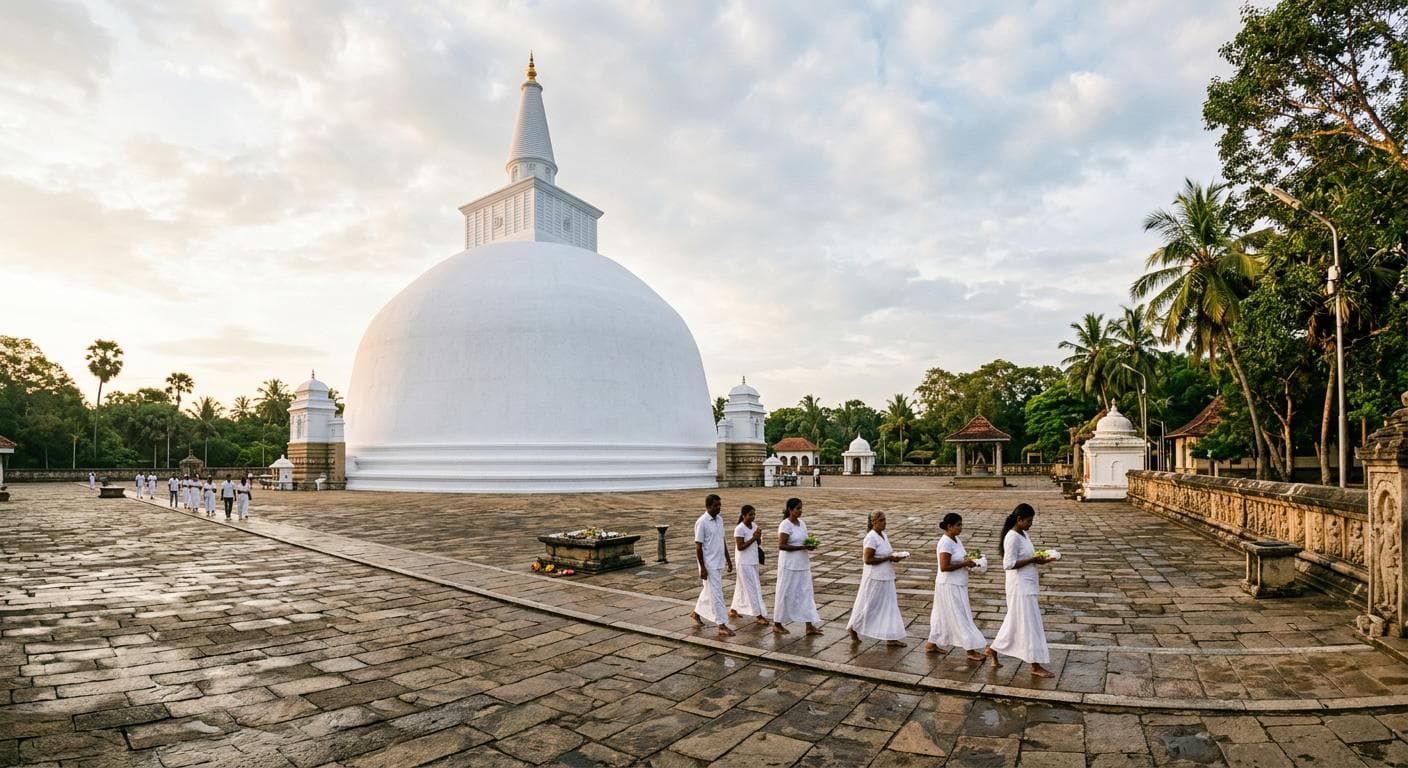
Anuradhapura
Anuradhapura is Sri Lanka’s first great royal capital and one of the country’s most important Buddhist pilgrimage cities. Its sacred tree, vast stupas, monasteries and ancient reservoirs make it a key stop in the Cultural Triangle.
Best January to March for relatively dry, more comfortable weather; May to September is also dry but usually hotter.
South Coast
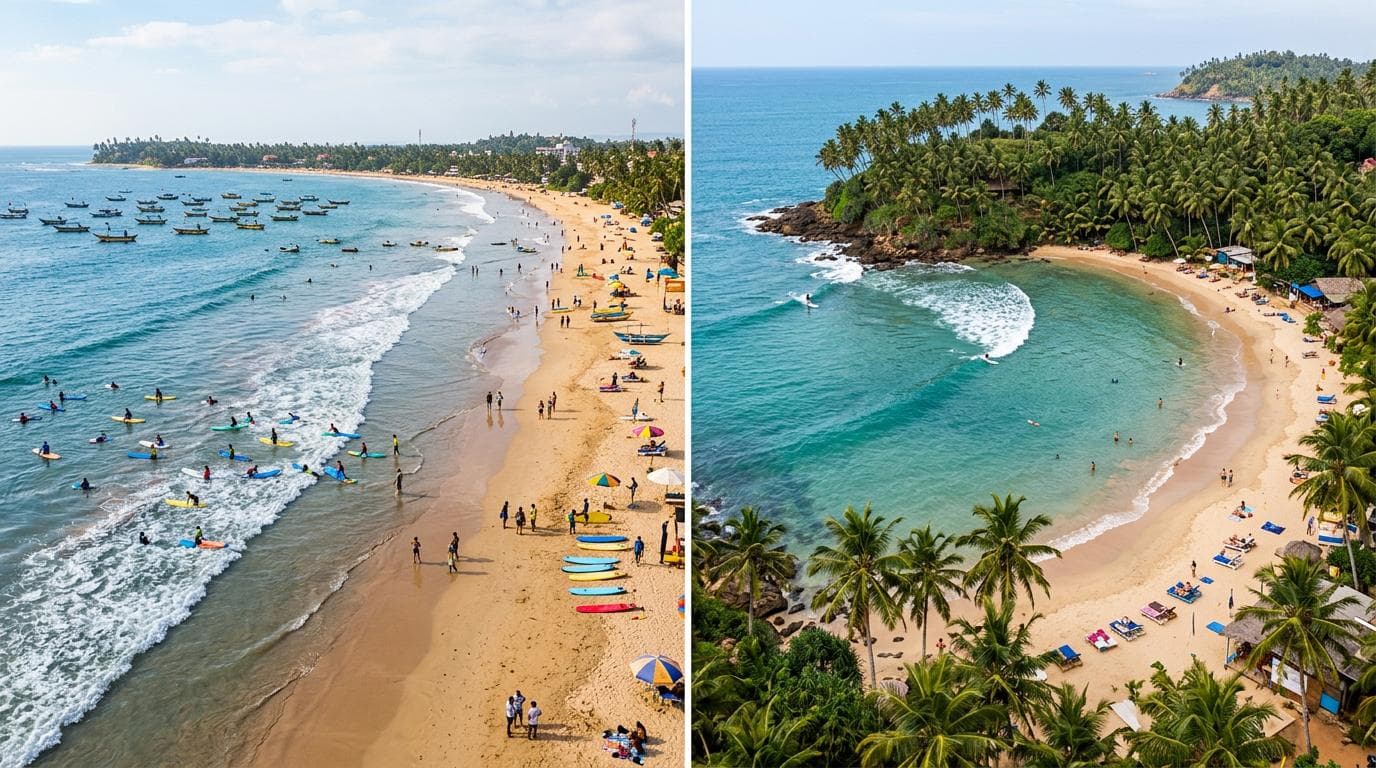
Hiriketiya & Weligama
Hiriketiya and Weligama are two popular south-coast beach bases with different characters: a compact palm-lined cove and a wide sandy surfing bay. They are roughly 40 km apart, making them suitable for a two-stop coastal stay rather than a single beach visit.
Best December to April for generally drier weather and more settled south-coast conditions; expect larger crowds during holidays and weekends.
Northern Province
Jaffna
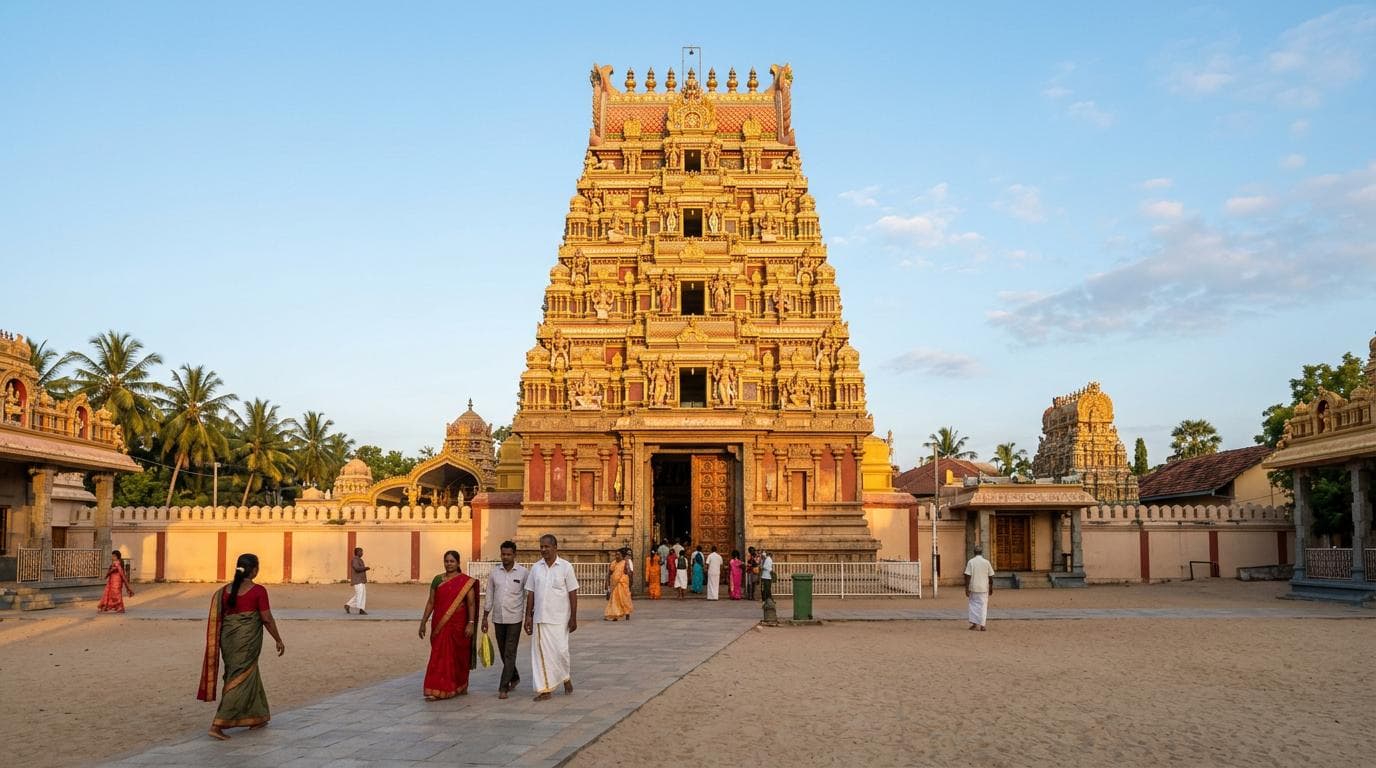
Jaffna (sometimes spelled "Jafna") is the cultural capital of northern Sri Lanka and the main city of the Northern Province. It is known for Tamil traditions, Hindu temples such as Nallur Kandaswamy Kovil, the Portuguese-Dutch Jaffna Fort, palmyrah landscapes and distinctive food. Direct trains from Colombo Fort take about 7–8 hours, and the drive along the A9 takes most of a day. February to September is the drier season. Allow at least 2–3 days.
Best February to September is generally drier; it is hot all year. October to January brings northeast monsoon rain and occasional disruption. The Nallur festival is normally in July or August, when roads get busy and hotels fill early.
Kegalle District, Sabaragamuwa Province
Kithulgala
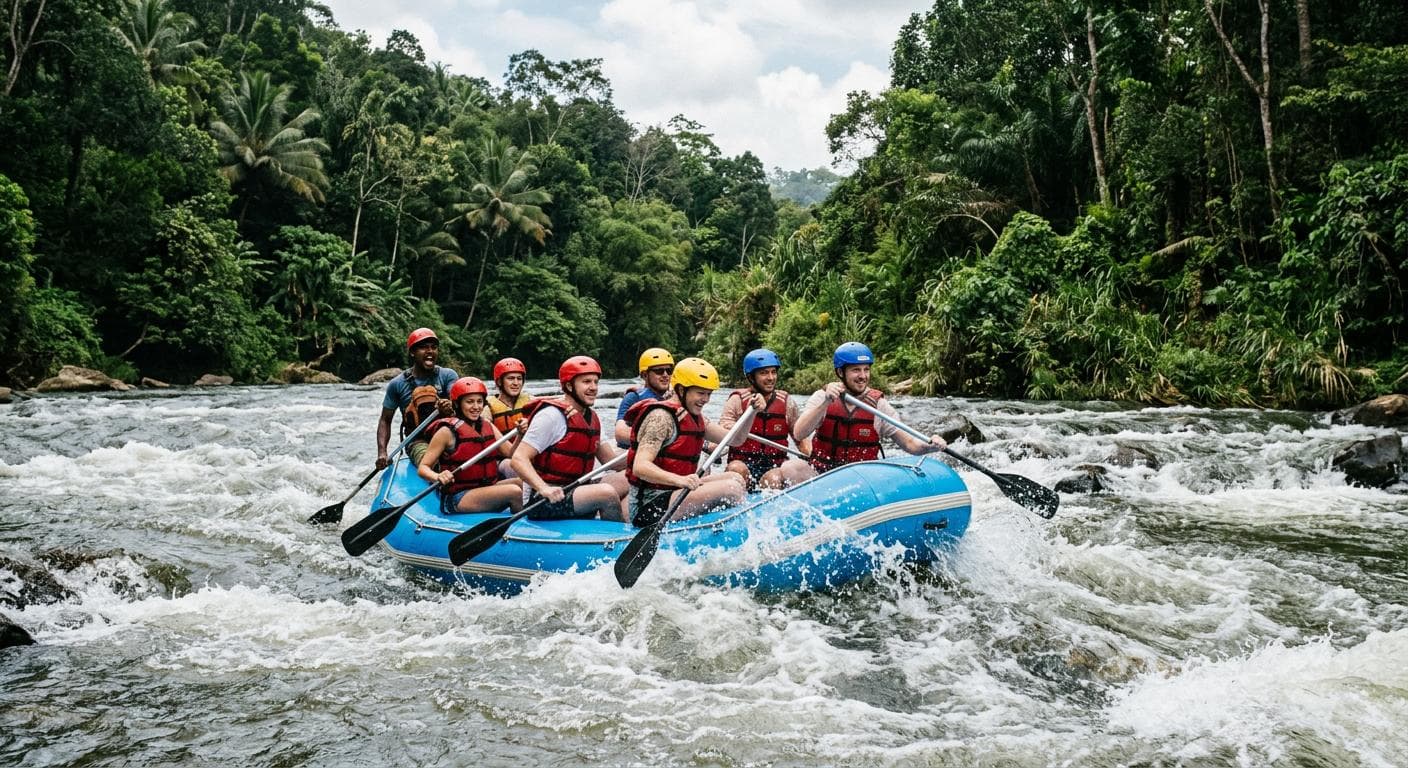
Kithulgala (also spelled Kitulgala) is a small rainforest town on the Kelani River in Kegalle District, Sabaragamuwa Province. It is Sri Lanka's main centre for guided white-water rafting, about 3 hours' drive from Colombo.
Best Kithulgala gets rain all year. January to March is usually the driest period and best for forest walks. Rafting can run in other months, but heavy rain changes water levels quickly and trips may be delayed or cancelled after the operator's safety check.
Western Province
Colombo
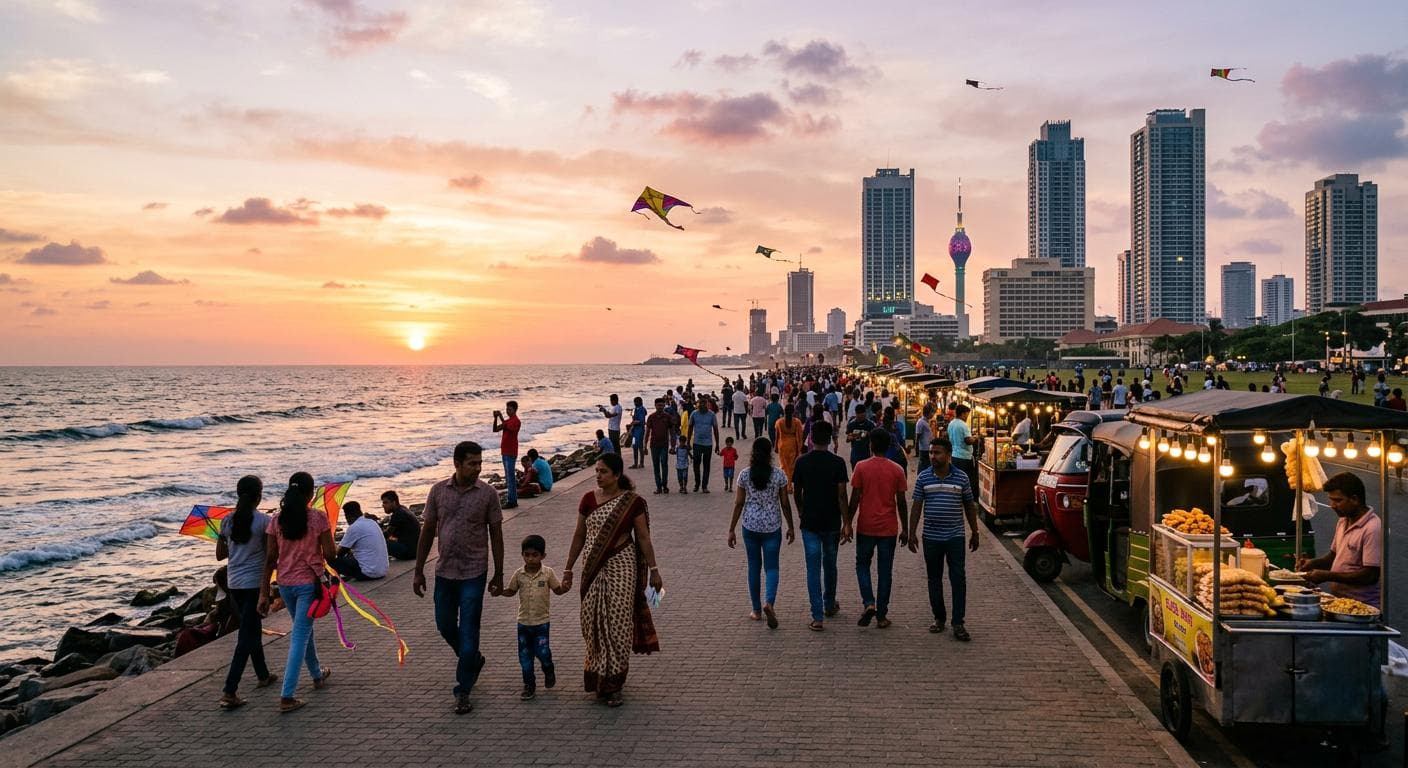
Colombo is Sri Lanka’s energetic commercial capital, known for oceanfront sunsets, historic neighbourhoods, busy markets, religious landmarks, shopping, and a diverse food scene. It is a convenient first or final stop on a journey around the island.
Best December to March is generally relatively drier and more comfortable, but Colombo is a year-round destination.
Cultural Triangle
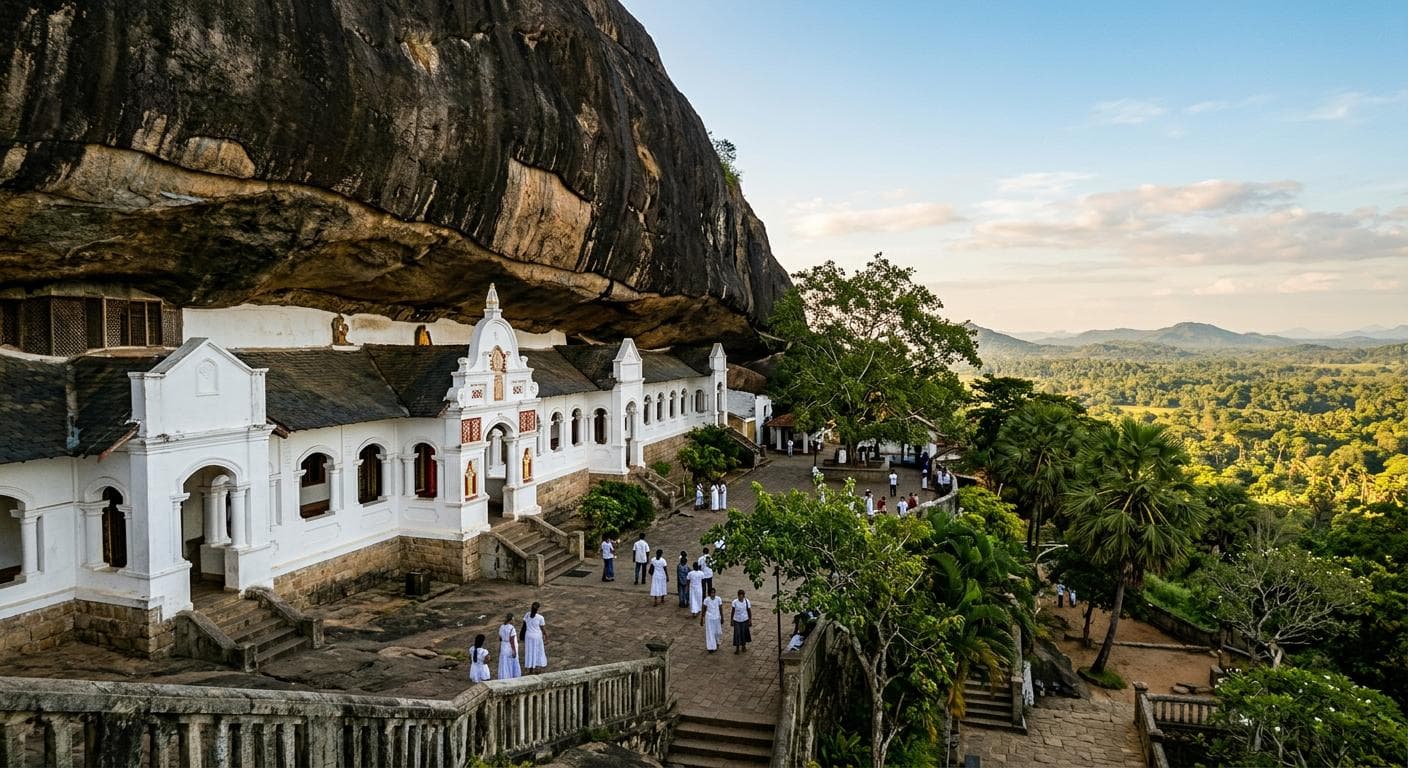
Dambulla
Dambulla is a gateway to Sri Lanka's Cultural Triangle and home to a remarkable UNESCO-listed cave temple. Its ancient shrines, painted ceilings and hilltop views make it an important stop between Kandy, Sigiriya and the northern plains.
Best January to March and June to September often have a better chance of dry weather. Visit early or late in the day to avoid the strongest heat.
North Central Province
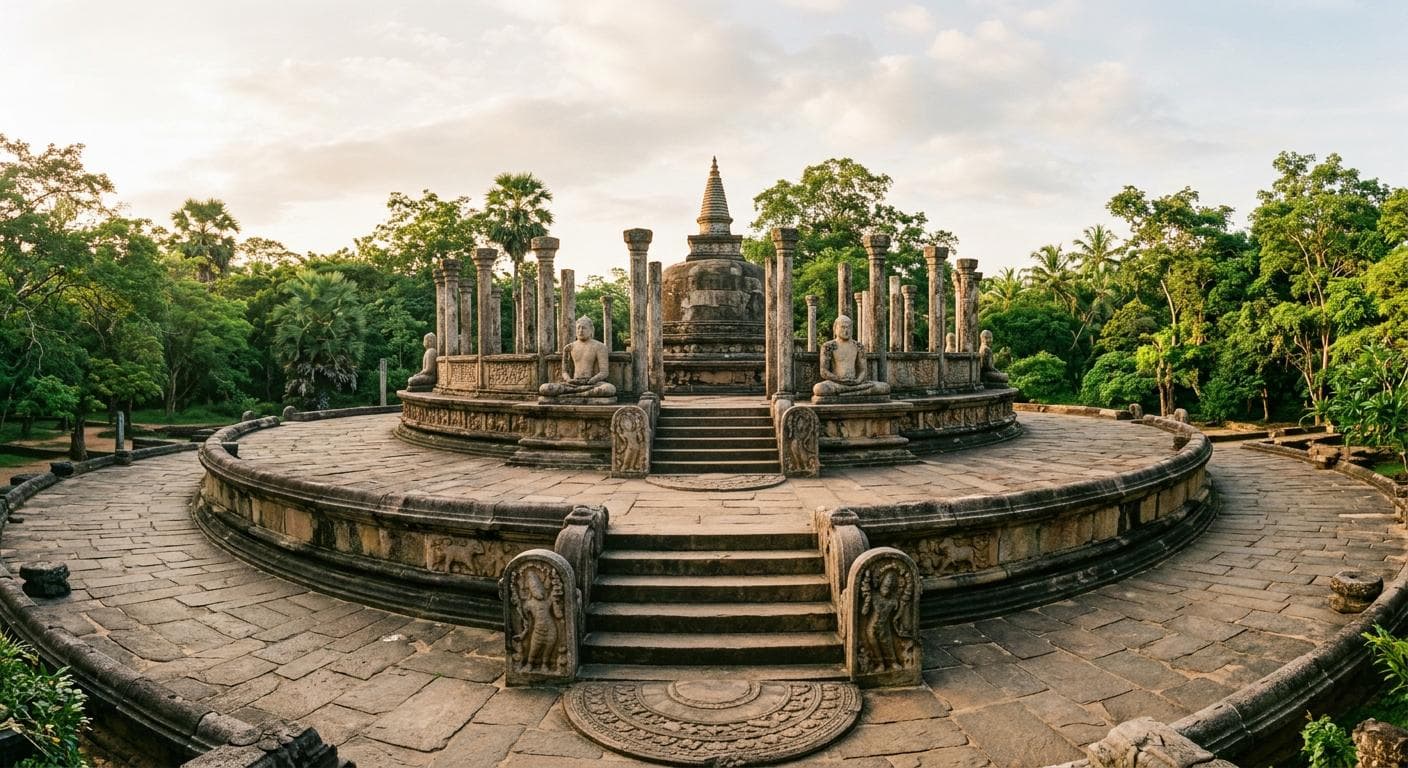
Polonnaruwa
Polonnaruwa is a UNESCO-listed ancient capital filled with royal ruins, sacred monuments and remarkable rock-cut Buddha images. Its spread-out archaeological park is best explored early in the day by bicycle, tuk-tuk or car.
Best February to September is generally drier, but early morning is the most comfortable time to explore in any season.
Hill Country
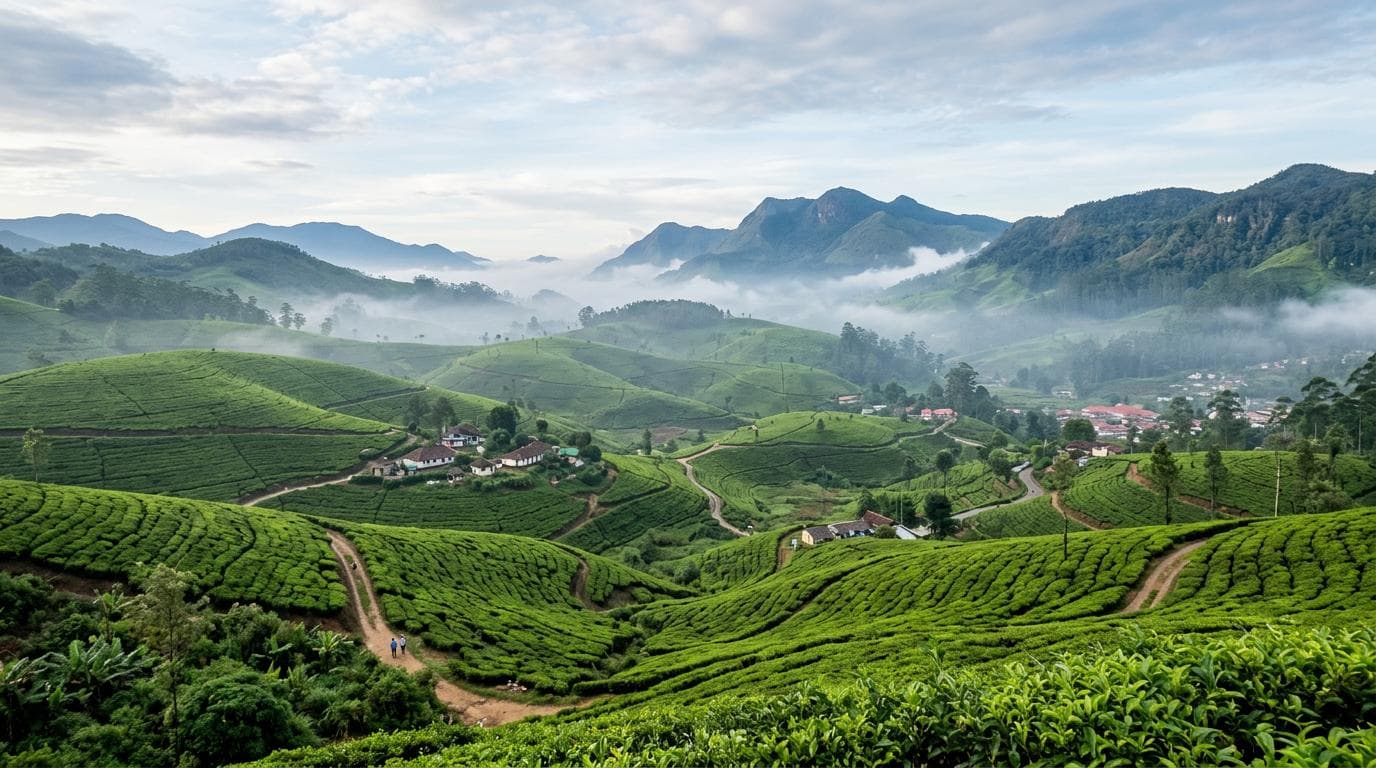
Nuwara Eliya
Nuwara Eliya is a cool mountain town surrounded by tea estates, gardens and misty hills. It is a popular base for visiting Gregory Lake, tea country and Horton Plains National Park.
Best January to April is generally best for cooler weather and clearer views. April is festive but busy, and rain or mist can occur throughout the year.
Southern Province
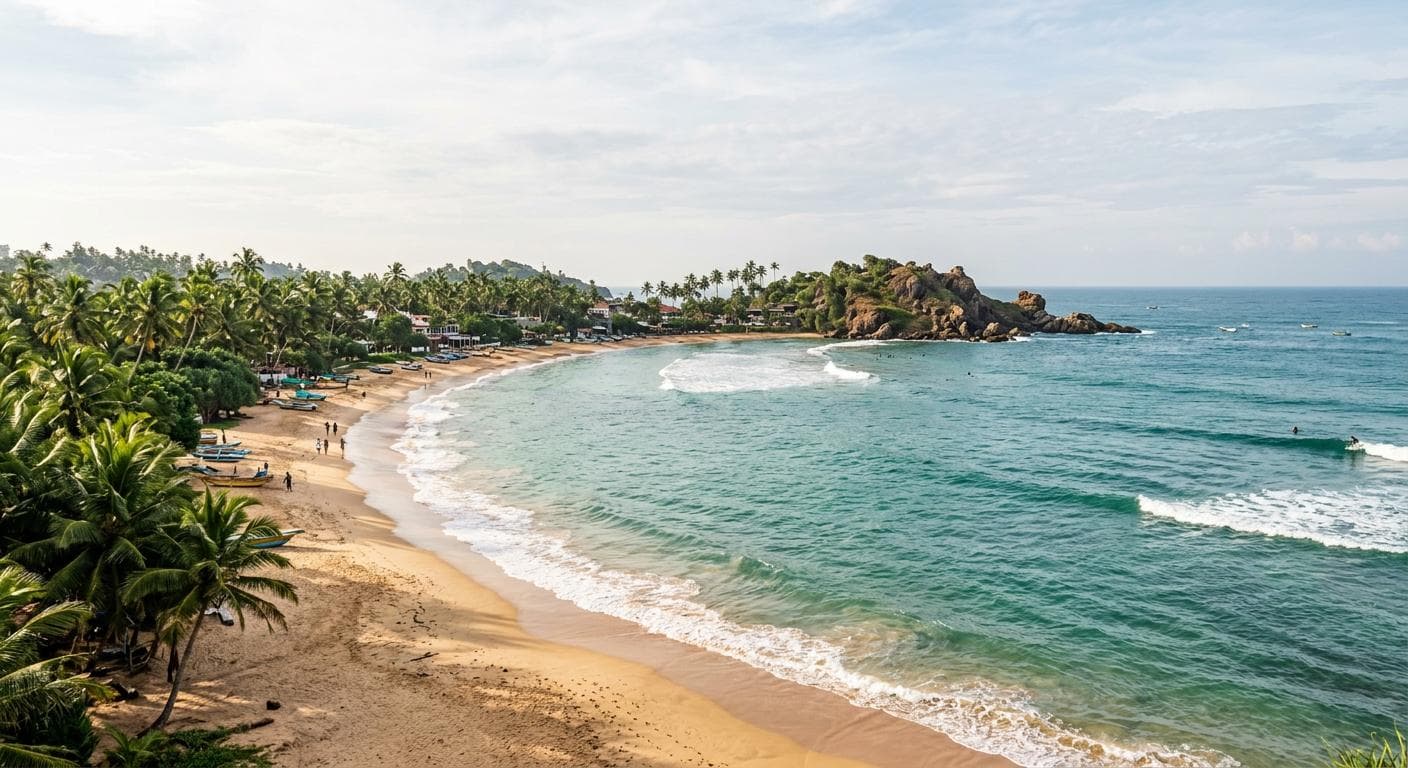
Mirissa
Mirissa is a lively beach town on Sri Lanka’s south coast, known for its curved sandy bay, surfing, ocean viewpoints, and whale-watching trips. It is a convenient base for exploring Weligama, Matara, and other coastal attractions.
Best December to April usually offers drier weather and calmer seas, although conditions and wildlife sightings can never be guaranteed.
Sabaragamuwa and Uva Provinces
Udawalawe National Park
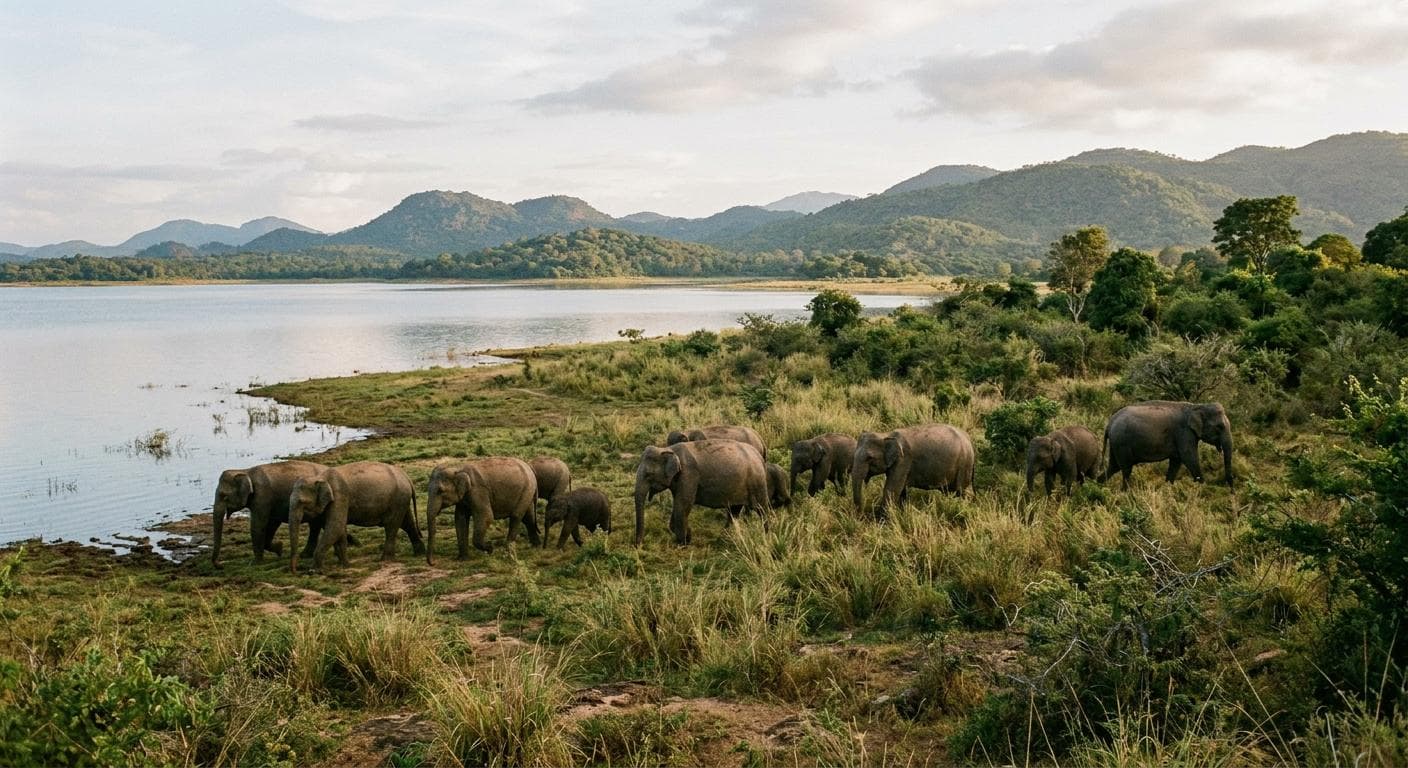
Udawalawe National Park is one of Sri Lanka’s best-known safari areas, with open grassland, reservoir views, and a strong chance of seeing wild Asian elephants. It is also rewarding for birds, deer, buffalo, crocodiles, and other dry-zone wildlife.
Best Udawalawe is a year-round destination, with May to September generally offering drier conditions and easier viewing around water sources. Early morning and late afternoon are the best safari periods.
Eastern Province
Kalkudah
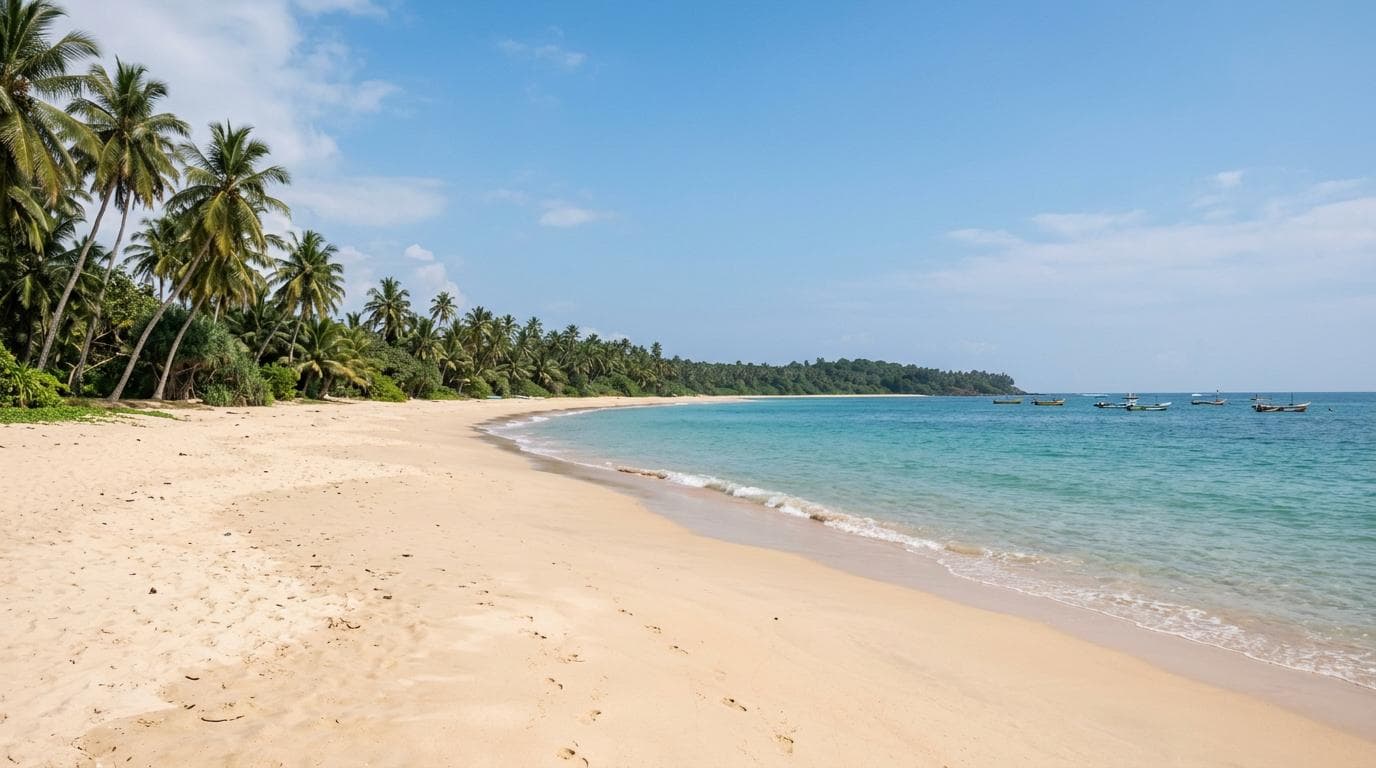
Kalkudah is a quiet beach in Sri Lanka's Batticaloa District, known for its broad sandy shore and relaxed atmosphere. It is a peaceful alternative to the more developed resort area at nearby Pasikuda.
Best May to September usually offers the sunniest weather and calmer sea conditions, although conditions should always be checked locally.
Southern Province
Hikkaduwa
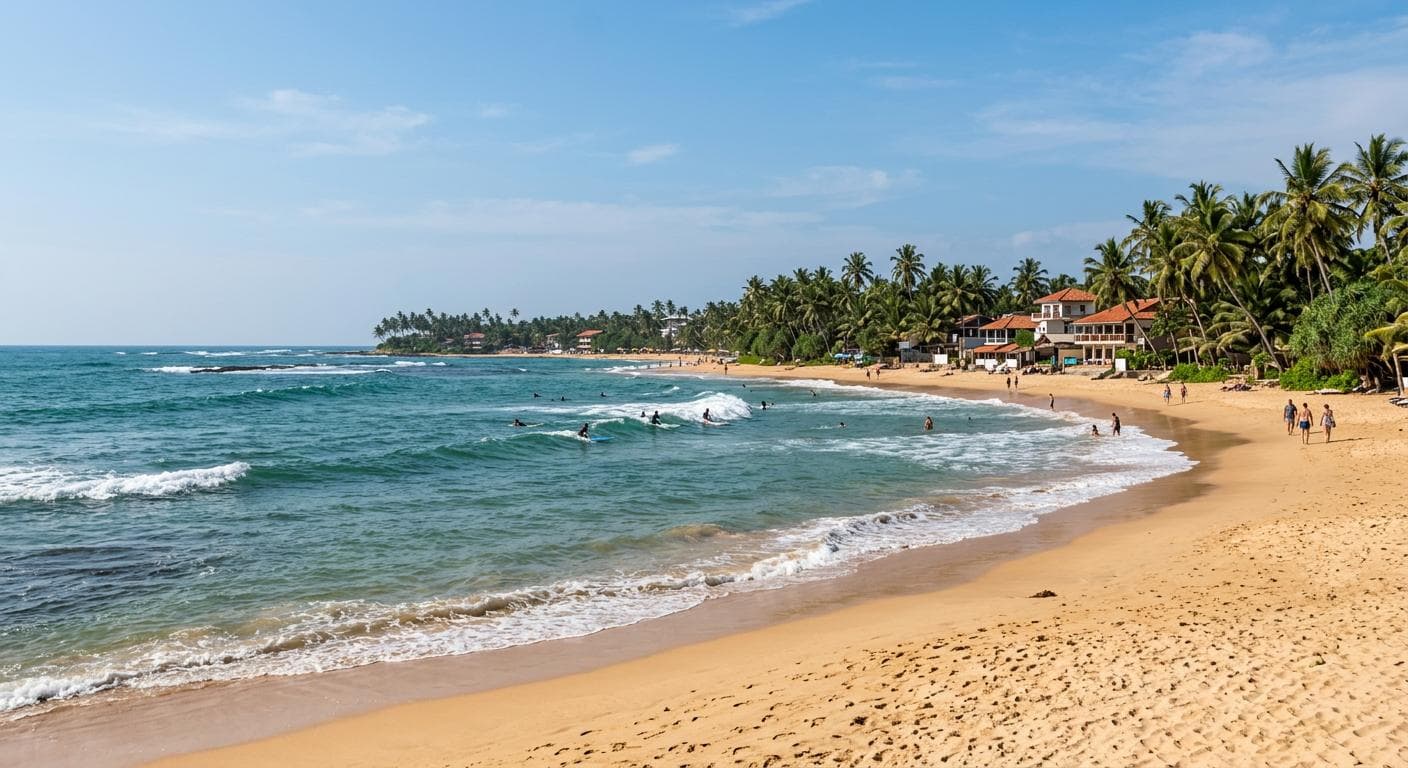
Hikkaduwa is a lively beach town on Sri Lanka’s southwest coast, known for surfing, a protected coral reef, seasonal snorkelling and beachfront dining. It suits travellers looking for an active seaside stay with easy access to Galle and other southern coastal towns.
Best December to April usually offers the driest weather and the most suitable sea conditions; surfing is commonly best from November to April.
Cultural Triangle
Sigiriya Rock Fortress
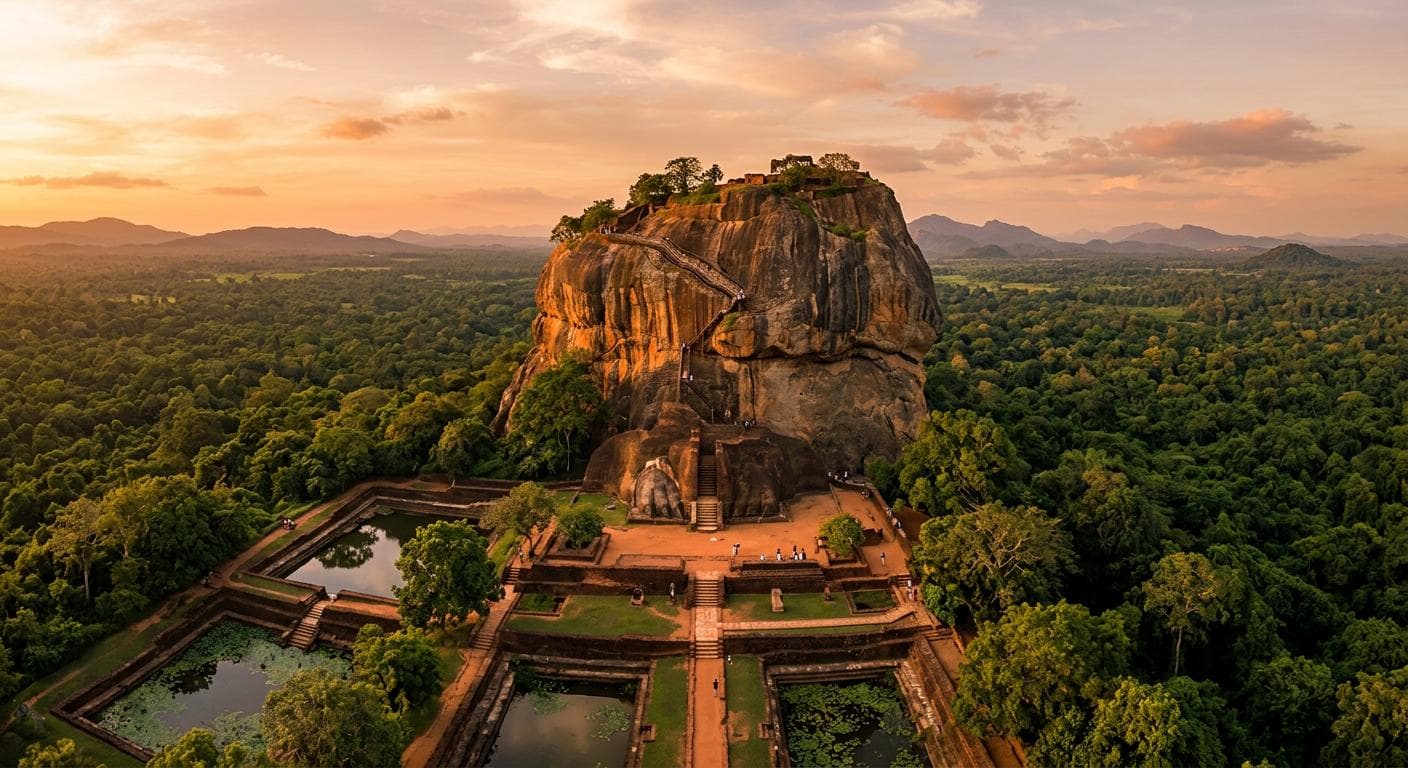
Sigiriya Rock Fortress (Lion Rock) is a 5th-century royal palace and fortress built by King Kasyapa on a rock column that rises nearly 200 metres above Sri Lanka's central plains. It is a UNESCO World Heritage Site in the Cultural Triangle, about 3–4 hours' drive from Colombo. The climb is about 1,200 steps and takes 1.5–2.5 hours there and back. Start when the gates open at 7:00 AM to avoid the heat.
Best January to April is the dry season, with the clearest skies, but Sigiriya is open year-round. Be at the gate for the 7:00 AM opening to beat the heat and crowds; late afternoon (about 3:30 PM) also works. Allow 3–4 hours for gardens, museum and climb.
Uva Province
Ella
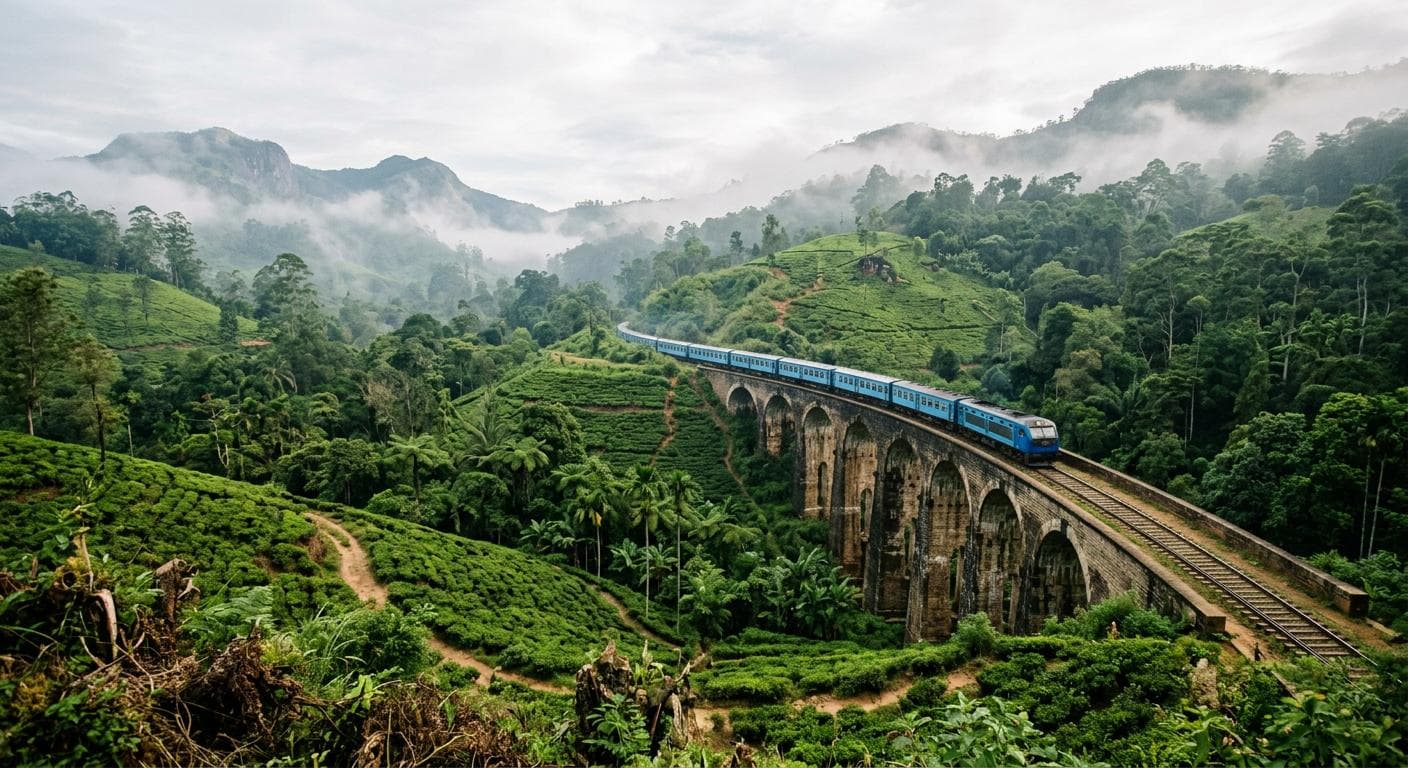
Ella is a relaxed Hill Country town surrounded by tea slopes, forested peaks and waterfalls. Scenic train journeys, cool air and rewarding walks make it one of Sri Lanka’s most popular mountain stops.
Best January to March often has clearer mornings and more comfortable hiking conditions, although rain and mist can occur throughout the year.
South-East Sri Lanka
Yala National Park
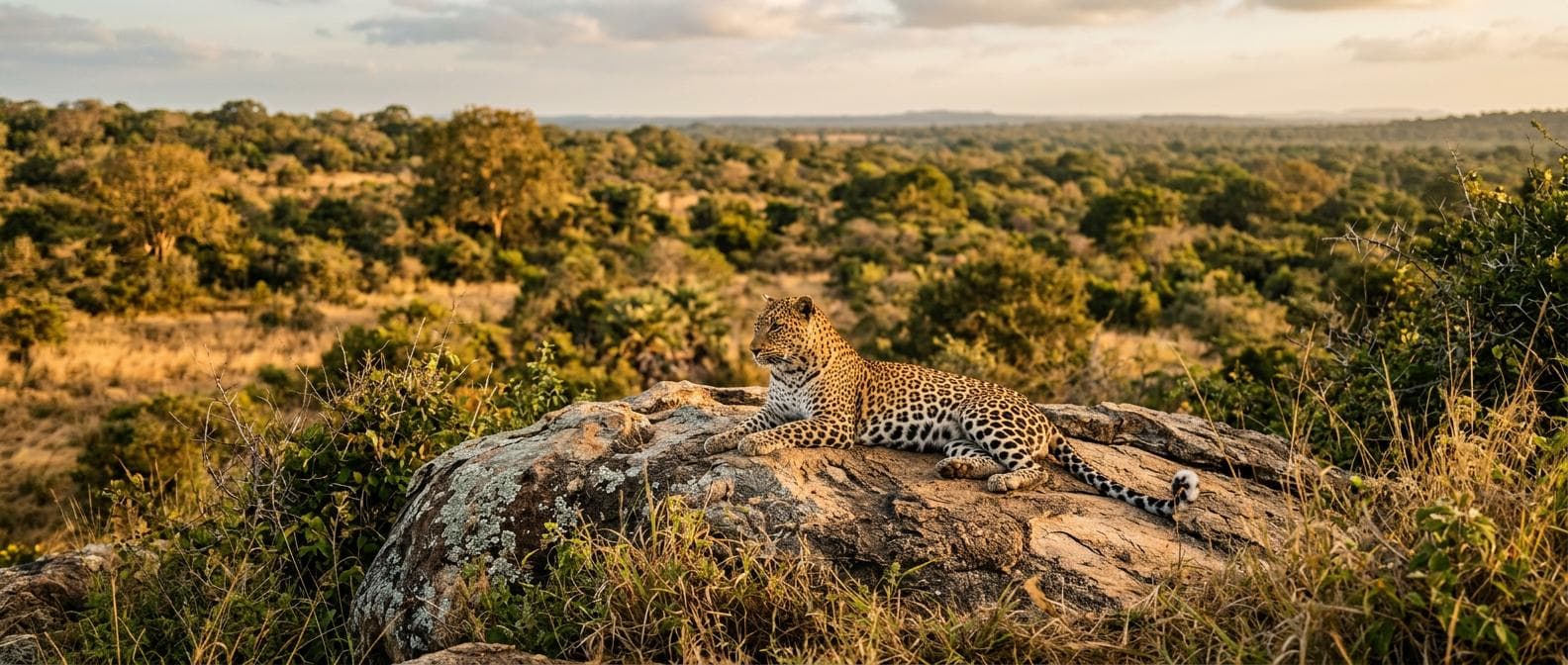
Yala is Sri Lanka’s best-known leopard landscape and one of the country’s leading safari destinations. Its dry forest, rocky outcrops, grassland and lagoons also support elephants, sloth bears, crocodiles and rich birdlife.
Best February to July is commonly preferred for drier conditions and easier wildlife viewing. Check current notices because block closures, often around September or October, vary by year.
South Coast
Galle
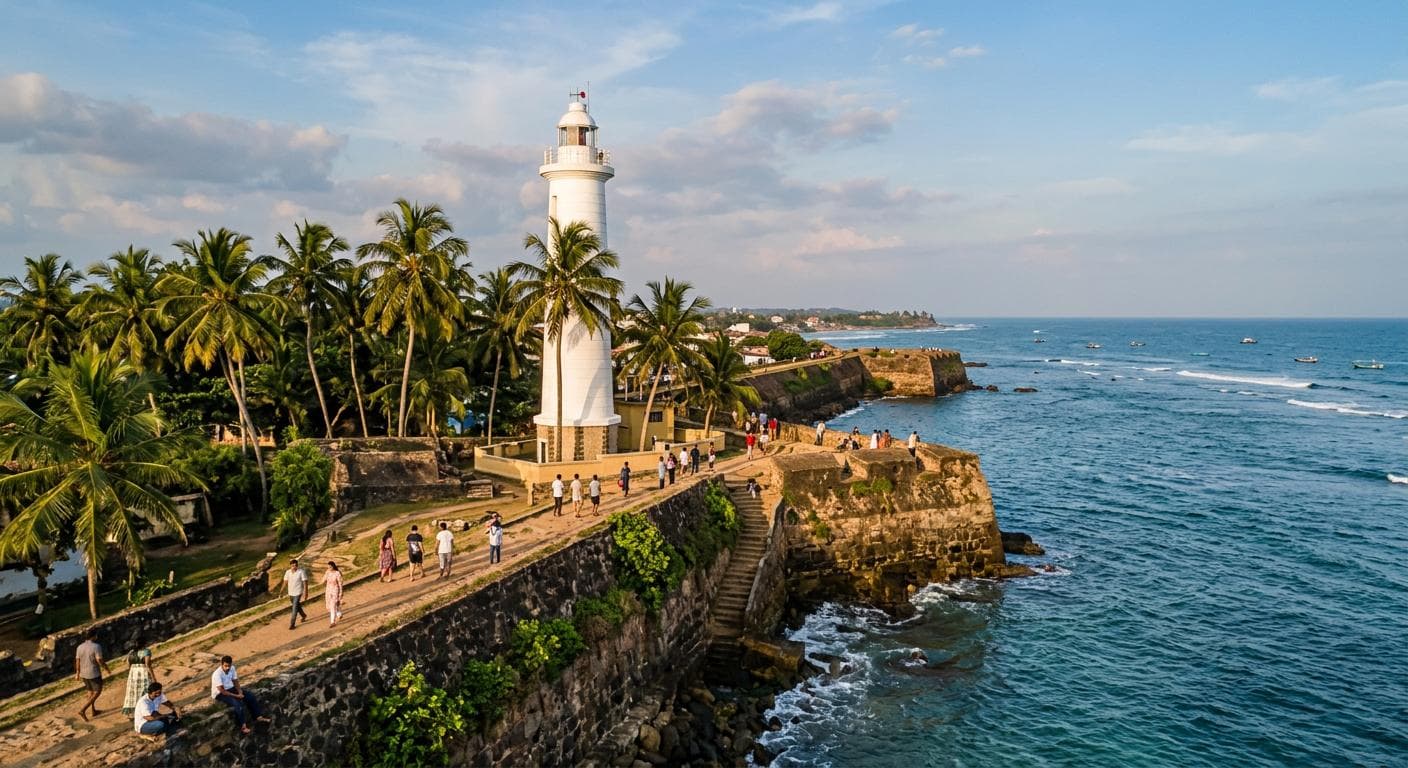
Galle is a historic port city on Sri Lanka's southwest coast, in the Southern Province, about 120 km south of Colombo. It is best known for Galle Fort, part of the UNESCO-listed Old Town of Galle and its Fortifications. The fort's ocean-facing ramparts, lighthouse, colonial streets, cafes and shops are easy to explore on foot in half a day. Visit from December to April for the driest weather, and walk in the early morning or after 3:30 PM.
Best December to April: usually the driest months and the most popular time for walking the fort. May to September: the southwest monsoon brings more rain. October to November: heavy rain and thunderstorms are possible.
Planning Sri Lanka destinations
Which Sri Lanka destinations should first-timers visit?
How do I choose destinations by season?
Is Arugam Bay worth adding to a Sri Lanka itinerary?
Can DiscoverSri build a route between these places?
Ready to connect places into one private route? Open the trip planner or browse private tours.