Sri Lanka rewards travellers who enjoy variety. Within one trip, you can explore ancient capitals, walk through tea-growing hills, watch elephants in the wild, eat coconut-rich curries and slow down beside the Indian Ocean. The island looks compact on a map, but each region has its own climate, landscapes and cultural character. That combination makes Sri Lanka suitable for wildlife enthusiasts, food-focused travellers, families, surfers and anyone seeking a journey that balances activity with time to relax.
It is not a destination to rush. Roads can be slow, trains may be busy and seasonal weather shapes where it is best to travel. Plan a focused route, allow time for unexpected stops and Sri Lanka’s diversity becomes its greatest strength. Here are seven compelling reasons to visit Sri Lanka, followed by practical guidance for a first trip.
1. Remarkable Variety Within a Compact Island
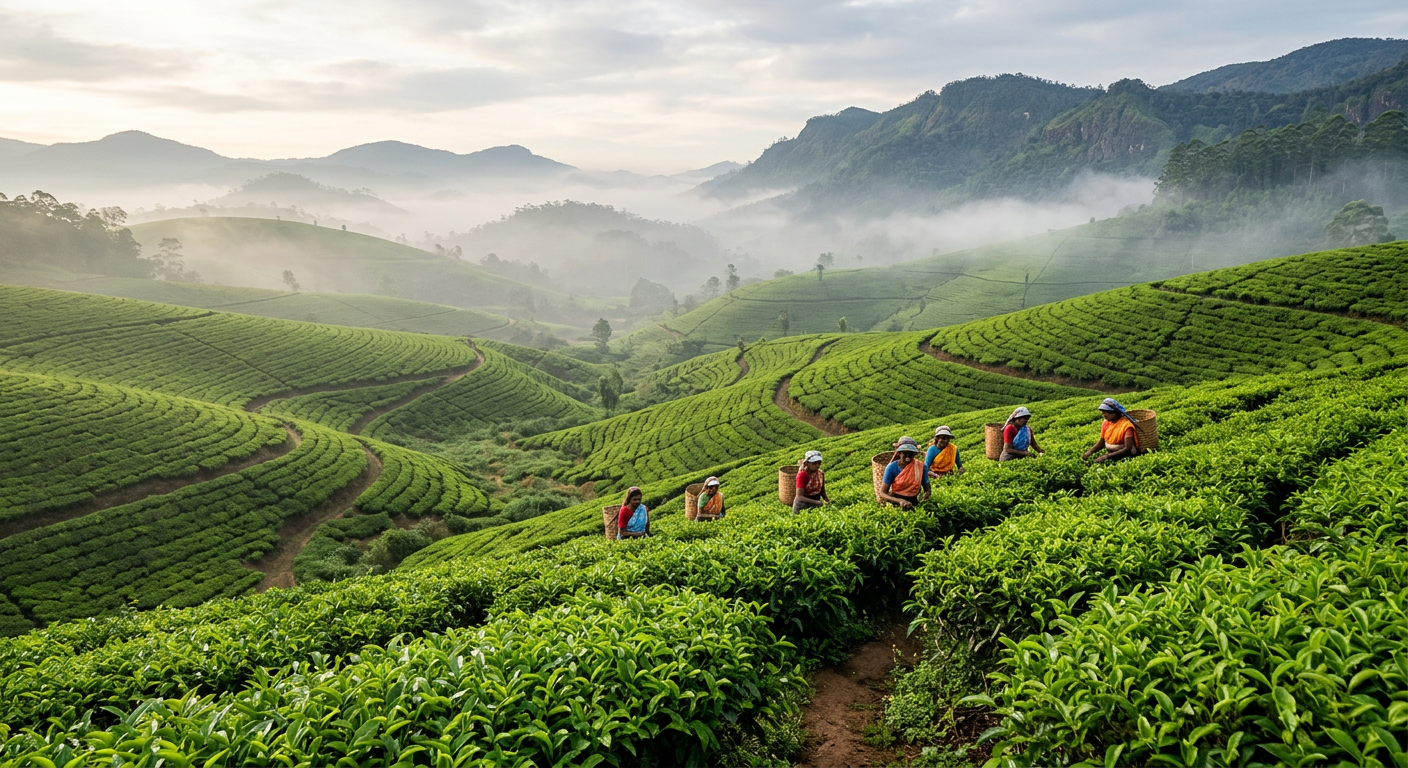
Sri Lanka is roughly similar in area to West Virginia, yet its scenery changes dramatically over relatively short distances. The central highlands rise into cool, misty country around Nuwara Eliya, Haputale and Ella, while the plains below contain dry-zone forests, reservoirs and ancient cities. Around the island, the coastline shifts from developed beach towns to fishing communities, lagoons and quieter stretches of sand.
This variety makes it possible to combine several interests without taking domestic flights. A well-paced itinerary might link the Cultural Triangle with the hill country and one coastal region. Another could focus on national parks, rural stays and the less-visited east. Distances can be deceptive, however: winding roads, town traffic and railway delays mean a journey of a few hundred kilometres may occupy much of a day. Choosing fewer bases usually creates a more enjoyable holiday than attempting to circle the entire island in a week.
2. Memorable Wildlife in National Parks and Coastal Waters
Sri Lanka is one of Asia’s rewarding wildlife destinations, although every sighting depends on season, habitat and luck. Yala National Park is well known for leopard sightings, while Udawalawe is a popular choice for observing wild Asian elephants in open terrain. Wilpattu, the country’s largest national park, offers forest, natural lakes and a quieter safari atmosphere on many routes. Bundala is particularly appealing to birdwatchers, including during migratory periods.
Choose safari operators that respect park rules, keep a sensible distance from animals and avoid crowding or blocking their path. Never feed wildlife, and remember that elephants encountered beside roads are still wild animals. In coastal areas, seasonal boat trips may offer opportunities to see whales or dolphins, particularly from parts of the south or east at different times of year. Sightings are never guaranteed. Look for an operator that follows responsible approach distances, provides safety equipment and does not chase animals.
3. Ancient Cities and Living Sacred Places
Sri Lanka’s recorded history reaches back more than two millennia, and many of its most important sites are concentrated in the Cultural Triangle. Anuradhapura contains vast stupas, monasteries and the revered Sri Maha Bodhi. Polonnaruwa preserves the remains of a later medieval capital, including royal buildings, reservoirs and stone sculpture. At Sigiriya, visitors climb past gardens and frescoes to the remains of a fifth-century royal citadel on a dramatic rock outcrop.
These places are not simply archaeological attractions. Many remain active sites of Buddhist worship, especially on full-moon poya days. Kandy’s Temple of the Sacred Tooth Relic is another major pilgrimage site, while Hindu kovils, mosques and churches reflect the island’s diverse communities. In the south, Galle Fort combines colonial-era architecture with homes, religious buildings, cafés and small businesses inside a living UNESCO-listed fortified town. Visiting with a knowledgeable local guide can add valuable historical and cultural context.
4. Food with a Distinctly Sri Lankan Character
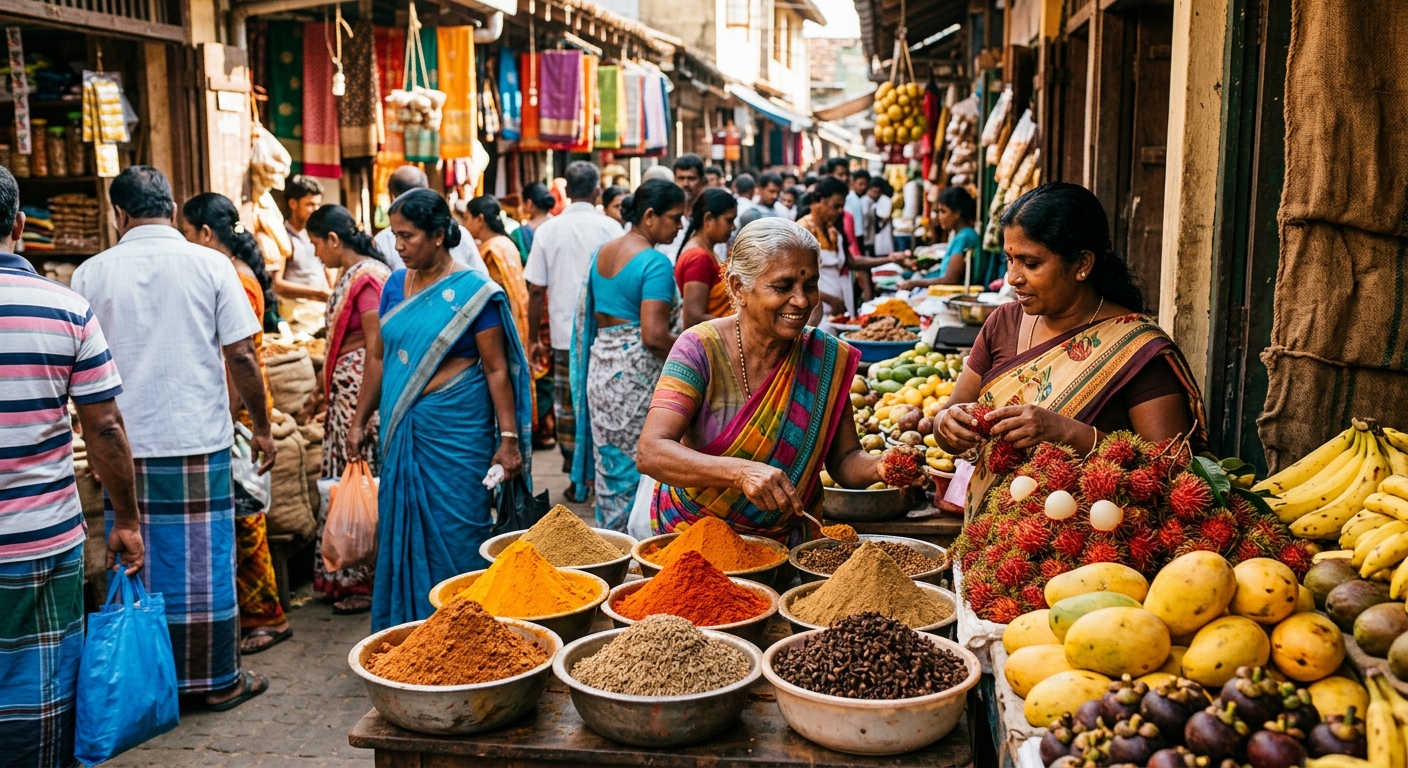
Sri Lankan cooking draws on local produce, regional traditions and centuries of trade across the Indian Ocean. Rice and curry usually means far more than one curry: a meal may include dhal, vegetables, a coconut sambol, pickles and fish, meat or another plant-based dish. Curry leaves, pandan, coconut milk, lime, chilli and spices such as cinnamon create layers of flavour that vary from household to household.
Breakfast is an excellent introduction. Try bowl-shaped hoppers with egg or curry, string hoppers with coconut sambol, or coconut roti. Kottu combines chopped flatbread with vegetables and optional egg, meat or cheese, prepared on a hot griddle with an unmistakable rhythm. Bakeries and roadside cafés sell savoury pastries and fried snacks commonly called short eats. Chilli levels vary, so ask before ordering if you prefer milder food. Family-run guesthouses and cooking classes can offer a more personal view of ingredients and regional recipes.
5. Beaches for Different Seasons and Travel Styles
Sri Lanka’s coastline is varied rather than uniform. Weligama is known for beginner-friendly surf conditions at certain times, while nearby towns provide cafés, guesthouses and access to the south coast. Hiriketiya has a compact bay and a lively visitor scene. Farther east, Arugam Bay is associated with seasonal surfing, and the Trincomalee area offers broad beaches and generally calmer conditions during its better-weather months.
The island is influenced by two monsoon systems, but this does not mean sunshine is guaranteed on the opposite coast. Broadly, the south and west often have their more settled beach period from around December to March, while parts of the east are commonly favoured from about May to September. Conditions vary by year and location, and rain can occur in any month. Check a current regional forecast and sea conditions rather than relying on an island-wide weather summary. Follow local warnings, as currents can be strong even when a beach appears calm.
6. Scenic Rail Journeys and Highland Walks
The railway through the central highlands is one of Sri Lanka’s most memorable travel experiences. Routes between Kandy, Nanu Oya, Haputale, Ella and Badulla pass forested slopes, tea country, villages and valleys. The train is regular public transport rather than a sightseeing service, so expect local passengers, station activity and occasional delays. Reserved seats can sell out, particularly on popular hill-country departures. Unreserved carriages may be extremely crowded and can involve standing for long periods.
The highlands also offer walks ranging from short viewpoints to longer guided hikes. Around Ella and Haputale, trails pass ridges, farms and tea landscapes, but access conditions can change and some paths cross private land. Horton Plains is known for its high-elevation grassland and cloud forest, while the Knuckles region suits travellers seeking more demanding routes. Use a reputable guide where navigation, weather or local access is uncertain, and carry water and rain protection.
7. Personal Encounters and Locally Run Stays
Many travellers remember Sri Lanka as much for everyday encounters as for famous sights. A conversation on a train platform, advice from a tuk-tuk driver or a shared meal at a guesthouse can add depth to an itinerary. English is widely used in many visitor areas, although learning a simple greeting in Sinhala or Tamil is a thoughtful gesture.
Family-run guesthouses, homestays and small hotels can provide useful local knowledge and keep more travel spending within the community. Hospitality should not be treated as an entitlement: ask before photographing people, dress considerately in villages and sacred places, and agree on prices before accepting informal transport or services. Respectful curiosity generally creates better exchanges than arriving with fixed expectations about how local life should look.
Practical Tips for a First Visit to Sri Lanka
- Plan by region: For a short trip, combine two or three areas rather than attempting the whole island. Include buffer time before a flight or other fixed connection.
- Check entry requirements: Visa and arrival rules can change. Confirm the requirements for your passport through Sri Lanka’s official immigration channels before booking and again before departure.
- Reserve key journeys: If a particular train and class matter to you, investigate current official booking options in advance. Never lean from train doors or board an unsafe, overcrowded carriage for a photograph.
- Use cash thoughtfully: Cards are accepted at many hotels and established businesses, but Sri Lankan rupees remain useful for markets, small restaurants and local transport. Use reputable ATMs and carry smaller notes.
- Respect sacred sites: Cover shoulders and knees, remove shoes and hats where required, and avoid posing with your back directly toward a Buddha image. Socks can help on sun-heated stone surfaces.
- Agree on transport costs: Use a meter where available or confirm the fare before a tuk-tuk journey. For longer transfers, clarify whether tolls, parking and waiting time are included.
- Monitor local conditions: Weather, transport schedules and access to parks or attractions can change. Check current official travel advice and local updates close to your visit.
Sri Lanka’s appeal lies in how naturally its experiences fit together: heritage sites lead to rural landscapes, cool hills descend toward wildlife country, and almost every route ends within reach of the sea. Travel slowly, choose responsible operators and leave room for spontaneous discoveries. The result can feel adventurous without requiring you to race from one landmark to the next.