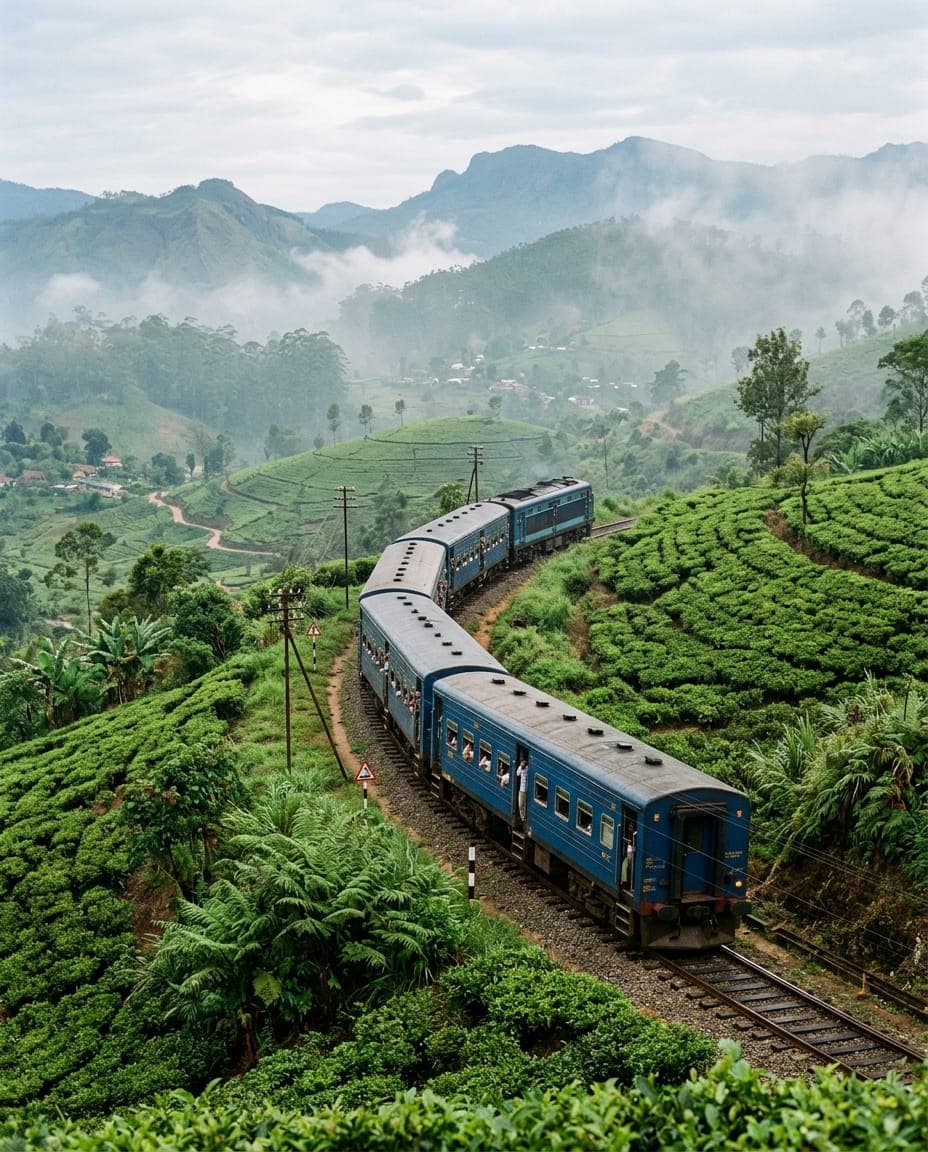
After landing at Bandaranaike International Airport, many first-time visitors face the same question: should they stay in Colombo, recover nearby or travel straight to the coast, Cultural Triangle or hill country? There is no single correct answer. Your arrival time, trip length, onward route and tolerance for travelling after a flight matter more than any must-see list.
Colombo can be a rewarding introduction to contemporary Sri Lanka, but it is not the most convenient overnight stop for every itinerary. A late arrival followed by a journey east or north may be easier from an airport-area hotel or Negombo. Travellers heading south may prefer a pre-arranged transfer that uses the expressway network without entering central Colombo. This guide explains the trade-offs so you can choose a practical first stop rather than adding a city night by default.
Where Is Colombo Airport?
Bandaranaike International Airport, usually abbreviated to BIA and identified by the code CMB, is at Katunayake rather than in central Colombo. It is roughly 30 kilometres north of the commercial centre. The Colombo-Katunayake Expressway has improved access, but the complete airport-to-hotel journey commonly takes around 45 to 90 minutes. Traffic, rain, roadworks and the location of your accommodation can all affect the result.
That geography is important. Travelling into Colombo for one night can create unnecessary backtracking if your next destination is north of the airport. Even journeys towards Kandy and the Cultural Triangle do not require a stop in central Colombo. For the south coast, connecting expressways allow drivers to avoid much of the city, although reaching places such as Galle, Weligama or Mirissa still takes several hours once airport formalities and rest stops are included.
Do not plan from the scheduled landing time alone. Immigration, baggage collection, cash withdrawal, buying a SIM and meeting a driver can add considerable time. Build flexibility into the first day, particularly after an overnight flight or during a busy holiday period.
When Skipping Colombo Makes Sense
Skipping Colombo is reasonable if your holiday is short and your priorities are beaches, wildlife, hiking or ancient sites. It can also make sense when you have already included another city stay at the end of the trip. Colombo is worth exploring, but it should not displace experiences that matter more to you.
Negombo is the usual soft-landing alternative. Depending on the exact hotel and traffic, its main accommodation areas are often around 20 to 40 minutes from the airport. The town has guesthouses, larger hotels, restaurants, canals and a working fishing community. Its beach is convenient rather than Sri Lanka's finest, so think of Negombo primarily as a practical place to rest and reorganise.
A direct transfer can work well after a daytime arrival. Approximate road times vary widely, but Galle may take about three hours or more, with Weligama and Mirissa farther on. Reaching Sigiriya or nearby Cultural Triangle bases often takes around four to five hours, while Kandy can also require several hours on busy, winding roads. Treat online estimates as guides, not promises.
Why Stay in Colombo?
Colombo offers something different from Sri Lanka's resort towns and historic capitals. It is the country's largest urban centre and a useful place to experience contemporary art, restaurants, religious diversity, commerce and layers of colonial-era architecture. Travellers who enjoy cities can comfortably fill one full day, while two nights allow a less hurried visit.
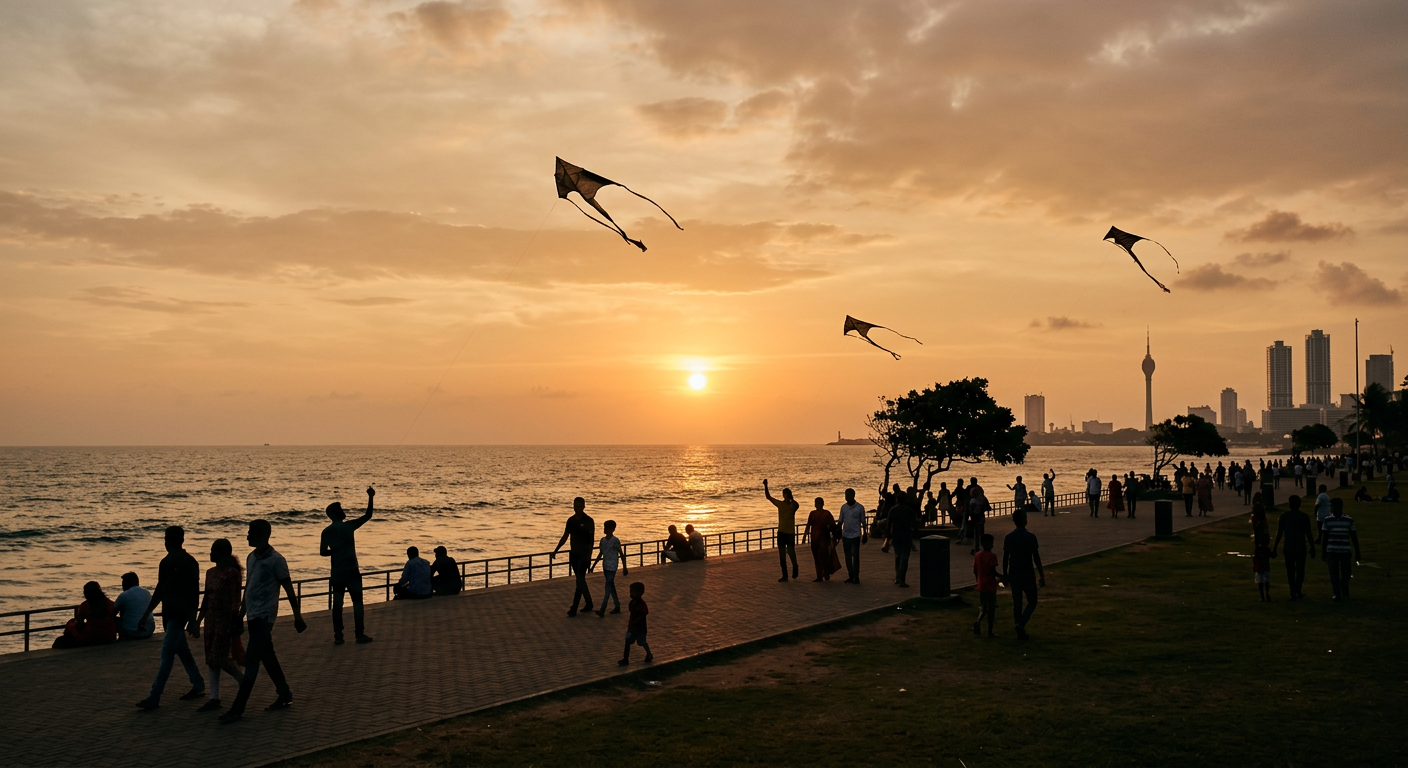
Fort contains restored heritage buildings alongside offices, hotels and transport hubs. Pettah, immediately beside it, is a dense market district where streets specialise in different goods. Cinnamon Gardens is greener and quieter, with the Colombo National Museum, Viharamahadevi Park, galleries and cafes. Along the seafront, Galle Face Green is a popular evening gathering place when weather and local conditions permit.
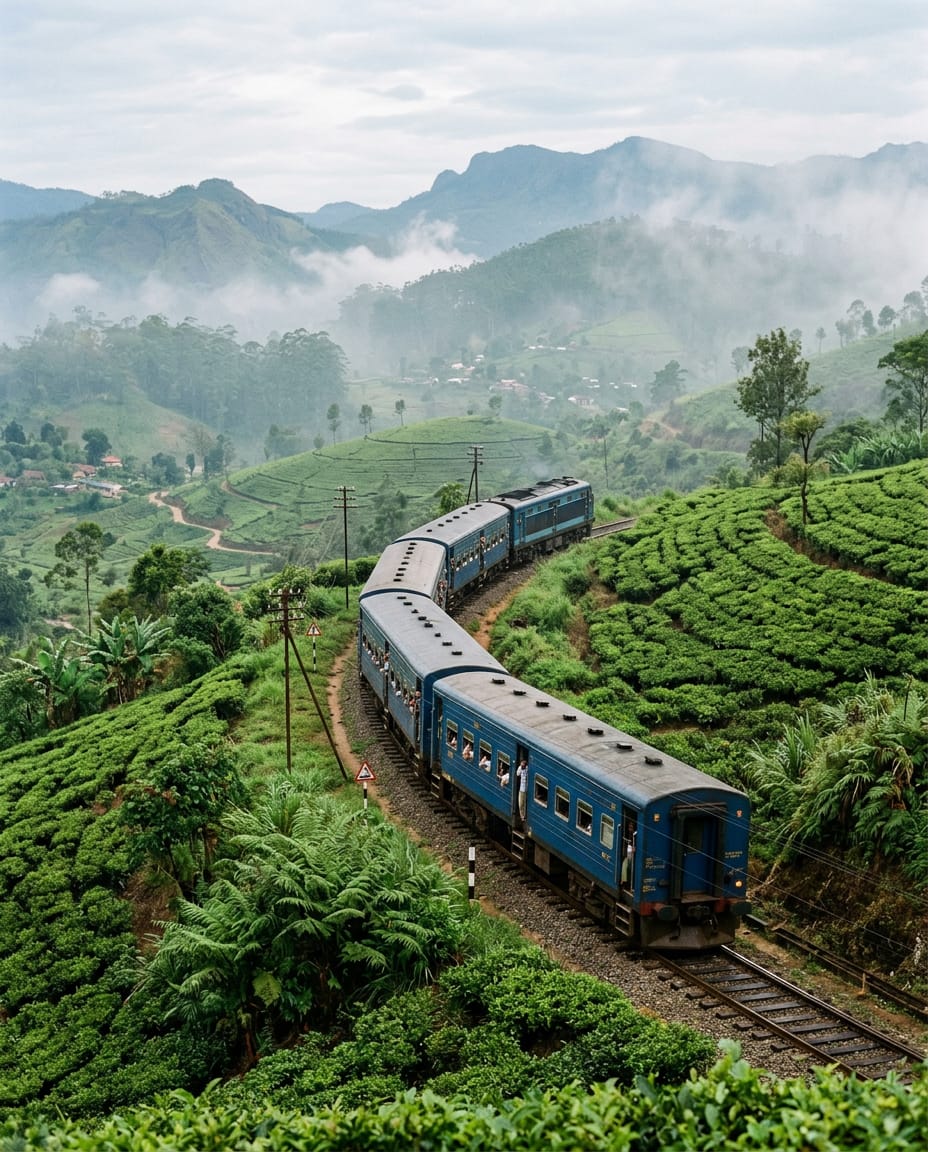
Colombo is also useful if your onward train departs from Colombo Fort Railway Station. However, boarding there does not guarantee a seat. Some intercity services have reservable classes, and popular hill-country trains can sell out. Check the current Sri Lanka Railways timetable and reservation arrangements before travel, and keep an alternative road plan if a particular train is essential to your itinerary.
A Quick Decision Guide
- Stay in Colombo if you enjoy food, architecture, museums and city life, or if an early onward train makes a central hotel convenient.
- Stay near the airport or in Negombo if you land late, need uncomplicated rest or will travel north or east the following morning.
- Travel onward if you arrive with enough daylight, have a reliable transfer arranged and feel rested enough for the journey.
- Leave Colombo until the end if your flight home departs at a manageable time and you want shopping, dining or a city stay before departure.
Planning Around Your Arrival Time
Arrival time is useful, but your physical condition is just as important. A long drive may look efficient on a map and still be an unpleasant start after poor sleep. Sri Lankan roads can be slow outside the expressways, and journey times should include breaks.
Late Night and Early Morning Arrivals
For arrivals between late evening and early morning, the lowest-stress option is often a pre-booked airport-area or Negombo hotel with a confirmed pickup. A longer transfer is possible with a reputable, rested driver, but it should not be treated as the automatic choice. Ask the transport provider about the route, expected duration and rest breaks before confirming.
Avoid making complicated transport decisions while tired. Use an official airport taxi counter, a transfer arranged by your accommodation or a recognised ride-booking service where available. Confirm the fare or app estimate, destination and payment method before departure. Service availability and prices can change, so check current information close to your travel date.
Morning to Mid-Afternoon Arrivals
This is the most flexible window. You can reach Colombo in time for a relaxed evening, continue to Negombo or undertake a longer transfer with daylight remaining. Even then, avoid stacking too much onto day one. A delayed flight can quickly turn a planned afternoon arrival into a night drive.
Late Afternoon and Evening Arrivals
Colombo or Negombo will usually be more comfortable than pushing deep into the island. Roads towards Kandy, Sigiriya and smaller hill-country destinations include busy or winding sections, and visibility can be poorer after dark. If you do continue, arrange a professional transfer in advance rather than expecting to negotiate a complex journey after landing.
How to Spend One Day in Colombo
With only one day, choose two or three areas rather than racing across the city. Begin around Fort to see its mix of commercial buildings and colonial-era streets. Continue into Pettah if you are comfortable with crowds, traffic and busy pavements. It is an active trading district rather than a staged attraction, so dress modestly, keep valuables secure and ask before photographing people at close range.
For a quieter afternoon, visit the Colombo National Museum or spend time around Cinnamon Gardens. Check opening hours and ticket arrangements directly before setting out, as they can change. Gangaramaya Temple is another well-known stop. As at other religious sites, cover shoulders and knees, remove shoes where requested and follow instructions about photography.
End near the seafront at Galle Face Green or choose a restaurant serving Sri Lankan regional cooking. Street-food stalls can be enjoyable, but select busy vendors, look for food cooked fresh and use normal food-hygiene judgement. Seafood snacks such as isso wade, a lentil fritter commonly topped with prawns, are associated with the promenade, although vendors and operating conditions vary.
Colombo works best when treated as a living city rather than a checklist: allow time for traffic, pause for tea or a meal, and explore a small area well.
Where to Stay in Colombo
Fort is convenient for the railway station, heritage buildings and some major hotels, although parts of the district become quiet outside working hours. Galle Face and Kollupitiya offer seafront access, restaurants and relatively central locations. Cinnamon Gardens suits visitors looking for a leafier setting, while Bambalapitiya and Wellawatte provide a more residential feel and a broad choice of places to eat.
Check the travel time to your actual priority rather than choosing a hotel labelled simply as central. Colombo stretches along the coast, and short distances can take longer during busy periods. If you have an early train, confirm how long it should take to reach the correct station and leave a generous buffer.
Practical Arrival Tips
- Arrange the first transfer: Save your hotel's address and phone number offline, and confirm where your driver will meet you.
- Allow for delays: Avoid non-refundable activities or tightly timed train connections on arrival day.
- Check current transport details: Railway schedules, bus services, road conditions and fares can change.
- Keep essentials accessible: Carry water, medication you normally use, a charger and a change of clothes in your hand luggage.
- Use realistic road times: Ask locally for an updated estimate and include meal, toilet and rest stops on longer transfers.
So, Should You Skip Colombo?
Skip Colombo if your itinerary is short, cities do not interest you or an airport-area stop makes your route simpler. Stay for one or two nights if you want urban culture, museums, architecture and one of Sri Lanka's widest selections of restaurants.
For many first-time visitors, the best compromise is to place Colombo at whichever end of the trip fits the transport plan. The capital is neither an essential first stop nor a place to dismiss automatically. Choose it because you want to experience the city, not because the airport name makes it appear to be the only logical place to sleep.