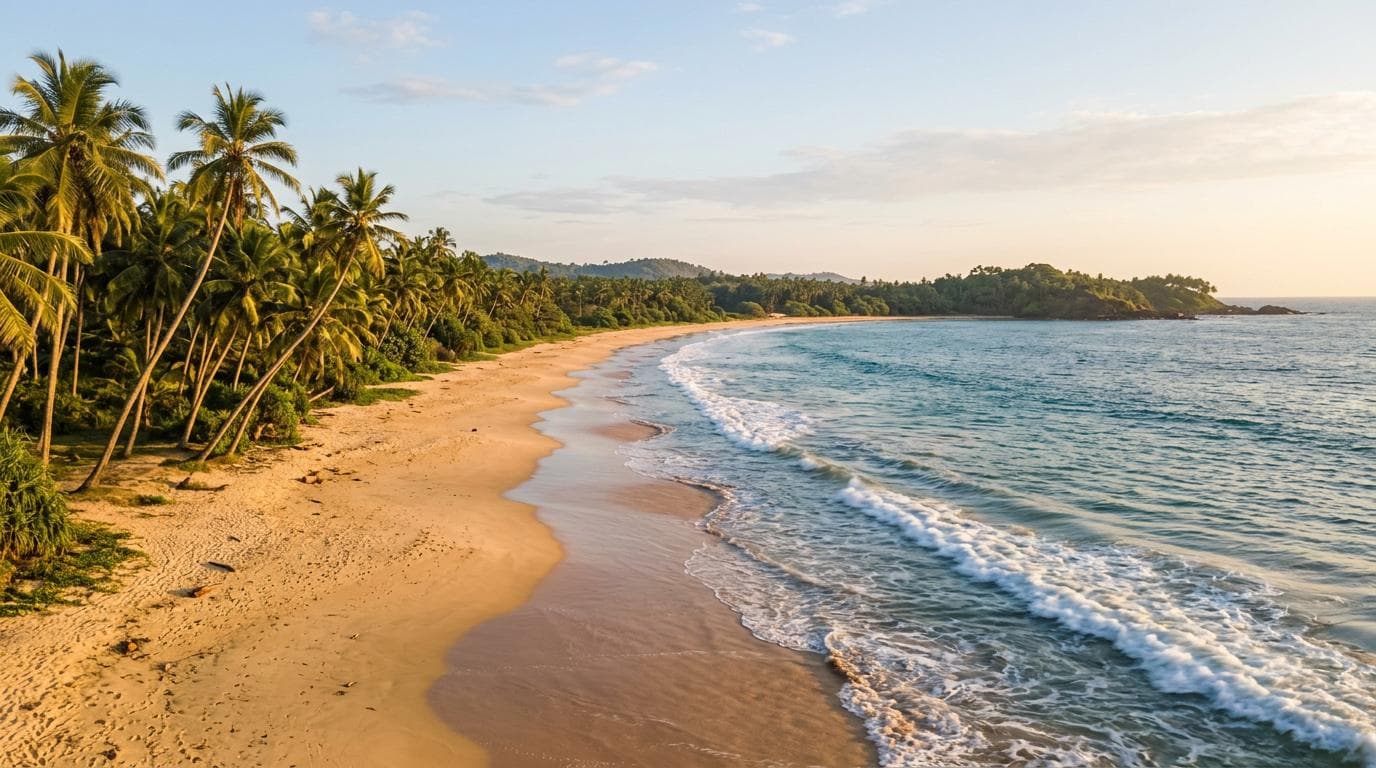
Sri Lanka may be known for energetic cities, busy heritage sites and popular beach towns, but the island also rewards travellers who prefer a slower rhythm. Beyond the best-known stops are misty mountain villages, forested archaeological sites and long stretches of coast where the day can revolve around a walk, a book and an unhurried meal.
Finding genuine peace requires thoughtful planning. A remote setting may still have temple loudspeakers, fishing boats, wildlife or holiday crowds, while a secluded beach is not automatically safe for swimming. The following quiet places in Sri Lanka offer room to pause, provided you choose the right season, stay a little longer and remain flexible.
What to Expect from a Quiet Sri Lankan Holiday
Quiet does not always mean isolated. Some travellers feel most relaxed in a small town with local cafés and easy transport, while others want an eco-lodge far from a main road. Before booking, ask the property about nearby construction, events, road noise and the number of rooms. If uninterrupted rest matters, confirm whether the accommodation hosts groups, weddings or day visitors.
Weather also differs sharply around the island. Sri Lanka is influenced by two monsoons, so there is no single shoulder season that suits every region. Conditions can change from year to year, and rain is possible in any month. Treat seasonal patterns as a planning guide rather than a guarantee.
The Serene Heights of the Knuckles Mountain Range
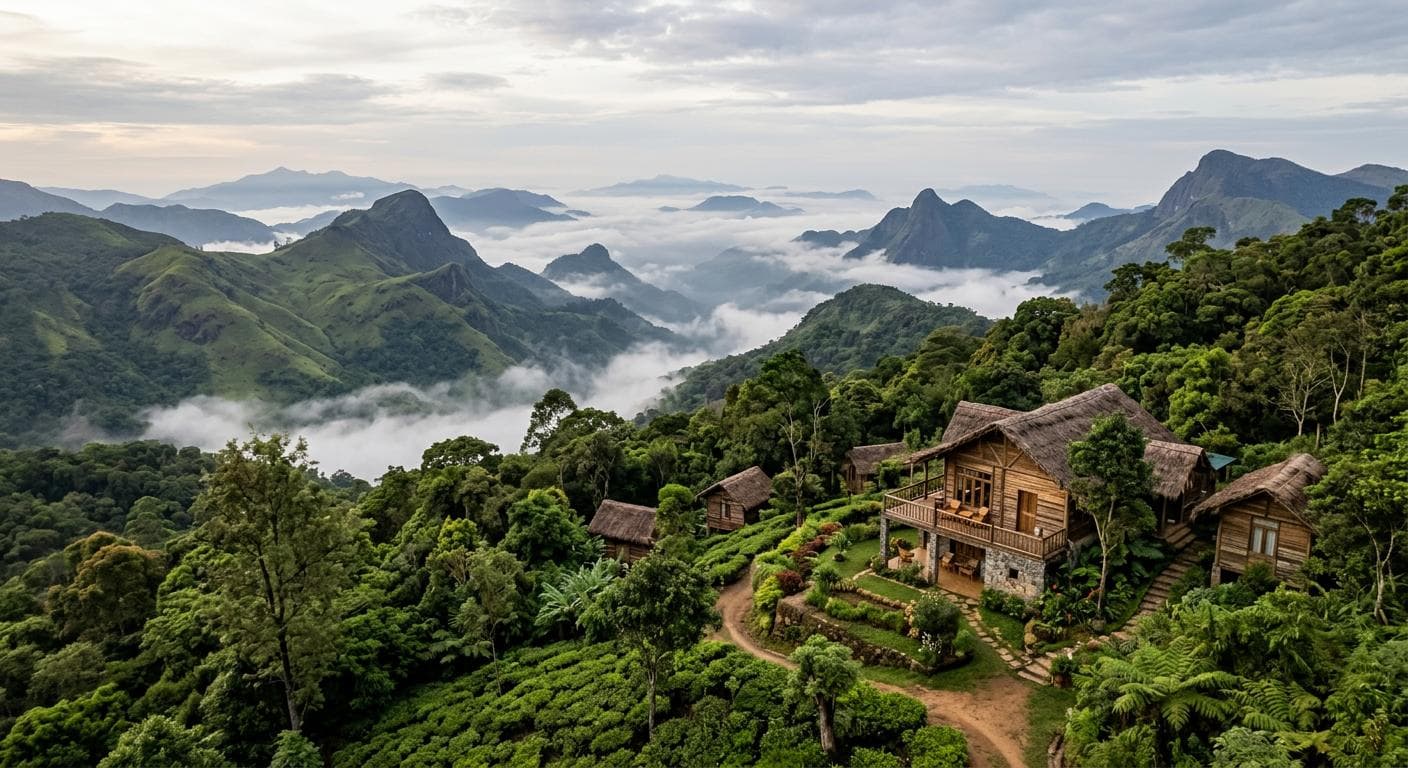
The Knuckles range is one of Sri Lanka’s most rewarding regions for mountain scenery and relative solitude. The Knuckles Conservation Forest forms part of the UNESCO-listed Central Highlands of Sri Lanka, recognised for its biodiversity and montane habitats. Compared with central Ella, the area has fewer large hotels and less concentrated tourism, although popular trails can still attract weekend groups.
Approaches through Hunnasgiriya or the Matale and Rattota side lead to villages, viewpoints and trailheads scattered across a large landscape. Accommodation generally consists of guesthouses, small retreats, camps and eco-lodges. Locations can be widely separated, so choose a property according to the walks you want to do rather than relying only on a regional label.
Conditions in the mountains can change quickly. Trails may become slippery, mist can reduce visibility and leeches are common in wet weather. Some routes cross protected or difficult terrain and may require permission or a knowledgeable local guide. Confirm current access with your host or an authorised guide, carry water and rain protection, and avoid setting out late in the day. The reward is a landscape of cloud forest, grassland, waterfalls and valleys where slow exploration feels natural.
Quiet Beaches Around Tangalle
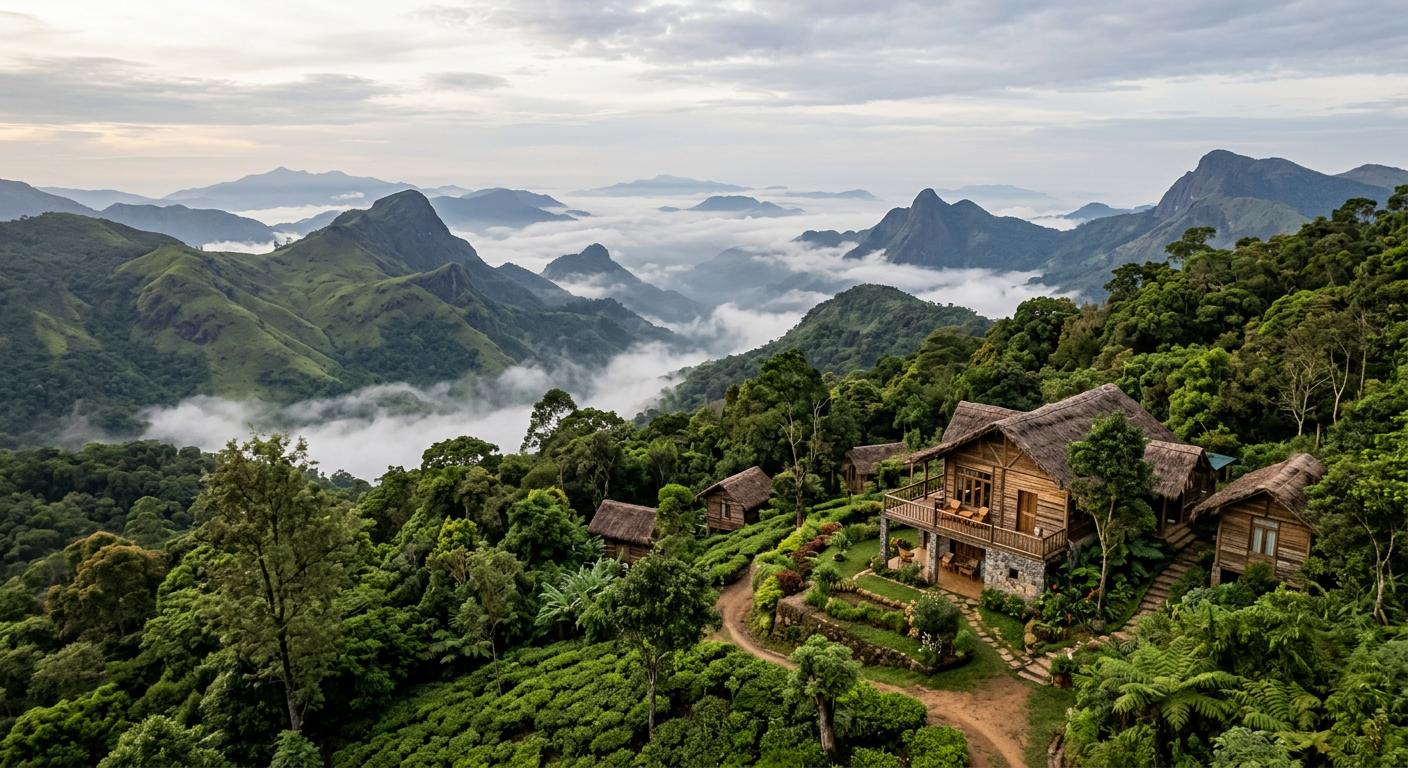
Tangalle is a useful base for travellers seeking a less nightlife-focused alternative to some of the south coast’s busier resort towns. Its wider area includes exposed beaches, rocky coves and smaller bays, each with a different character. The town itself is active and practical rather than silent, so accommodation outside the centre is usually a better choice for a peaceful stay.
Goyambokka has a compact, scenic bay with guesthouses and beach restaurants, but it can become lively during busy periods. Mawella offers a broader sweep of sand and a more spacious atmosphere, although development and visitor numbers vary. Farther along the coast, quieter properties can feel secluded while still being within reach of Tangalle by tuk-tuk.
Take sea conditions seriously. Several beaches around Tangalle face strong surf, currents and sudden drop-offs, and a calm appearance does not confirm that swimming is safe. Ask locally about conditions on the day, observe warning signs and avoid entering rough water. For the quietest experience, walk early in the morning, then spend the hotter hours in the shade. The south coast is generally more settled during the drier part of the year, often from roughly December to April, but short rainy spells and rough seas remain possible.
The Forested Ruins of Ritigala
Ritigala provides an atmospheric contrast to the monumental ruins of Anuradhapura and Polonnaruwa. The archaeological monastery lies beside the forested Ritigala mountain area, where stone paths, bridges, platforms and monastic structures sit beneath a dense canopy. Its restrained architecture and woodland setting make it especially appealing to travellers interested in history without the scale and exposure of the major ancient cities.
The archaeological area may be quiet, but it should not be treated as an unrestricted wilderness trail. Protected forest lies beyond the visitor zone, and access rules can change. Stay on permitted paths, follow instructions from site staff and do not enter closed areas. Current opening times, ticket arrangements and road conditions are best checked locally before setting out.
Visit early for cooler temperatures and allow time to walk carefully over uneven stone. Modest clothing is appropriate at this ancient Buddhist site, and conversations should be kept low around other visitors. Carry drinking water, but take all waste away with you. Ritigala works well as a half-day excursion from the Habarana, Dambulla or Kekirawa area, with private transport being the simplest option.
The Quiet Tea-Country Character of Haputale
Haputale offers a more workaday tea-country experience than resort-oriented hill towns. Set along a narrow ridge, it can reveal wide views towards the southern plains when the cloud lifts. The centre has traffic, shops and daily local activity, but guesthouses and small hotels on the surrounding slopes can provide misty views and restful evenings.
Lipton’s Seat is the best-known nearby viewpoint, reached through the Dambatenne tea landscape. It is often clearest early in the morning, before cloud gathers, but it is no longer a secret and can be busy at popular times. Walking part of the route can be enjoyable in suitable weather; otherwise, local vehicles are available. Tea-factory visits depend on current operations, opening arrangements and maintenance schedules, so ask your accommodation to confirm before travelling.
Haputale sits on the main hill-country railway, making it accessible from Colombo, Kandy, Nanu Oya and Ella. Trains on this route can be crowded, particularly around weekends, holidays and peak travel periods, so do not assume this section will be empty. Reserve a seat when the relevant service and booking window allow, or consider a car and driver if comfort and flexibility matter more than the rail experience. Pack a light layer and rain jacket because evenings can feel cool and damp.
Passikudah and Kalkudah on the East Coast
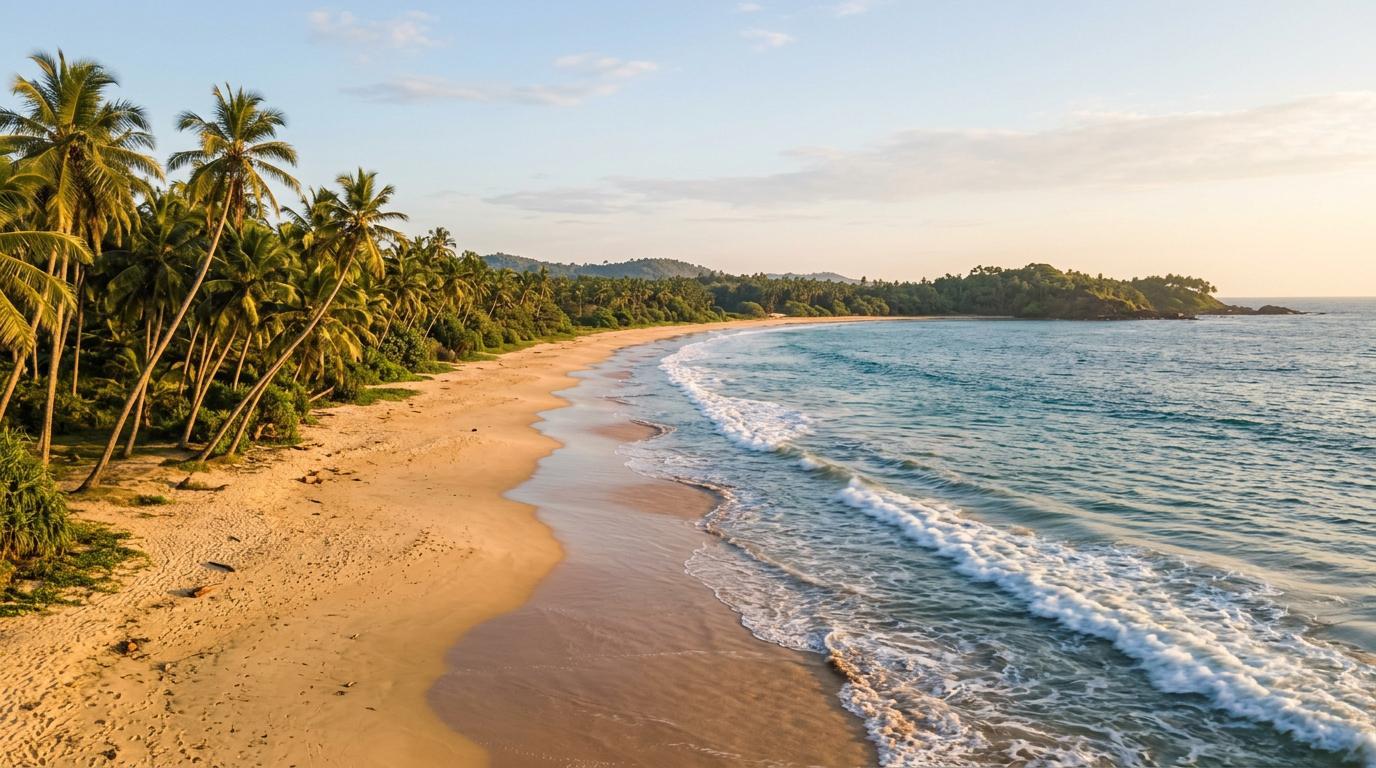
Passikudah and neighbouring Kalkudah offer pale sand, warm weather and a noticeably different coastal setting from the south and west. Passikudah has an established resort area, so it is not uniformly secluded, but its spacious shoreline can still feel relaxed outside busy weekends and holiday periods. Check the size and layout of a hotel before booking if you prefer a small retreat to a full-service resort.
Kalkudah is generally less developed, with a longer and more open beach. Services are limited in places, which adds to the sense of space but makes transport and meal planning more important. A locally arranged tuk-tuk or driver is useful for reaching restaurants, shops and nearby points of interest. Travellers should also be considerate of fishing activity and avoid obstructing boats, nets or working areas.
Passikudah is known for relatively shallow water in parts of the bay, but no beach should be described as universally safe. Depth, currents, wind and reef conditions can change. Use designated swimming areas where available, follow lifeguard or hotel advice and supervise children closely. The east coast often has more favourable beach weather from around May to September, while the northeast monsoon commonly affects the region later in the year. Exact conditions vary, so check a recent local forecast before a long transfer.
Practical Tips for Finding Peace
- Match the season to the region: The south and west often suit winter trips, while the east is commonly calmer during the middle of the year. Build flexibility into any weather-dependent plan.
- Stay outside town centres: A property a short tuk-tuk ride from shops may offer a better balance of quiet, access and local dining than a completely isolated hotel.
- Ask specific questions: Confirm road noise, building work, room location, air conditioning or fan noise, event spaces and whether outside guests use the pool or restaurant.
- Travel on weekdays: Beaches, viewpoints and trains can become busier during weekends, school holidays and long public-holiday periods. Poya full-moon days may also affect transport, alcohol sales and opening arrangements.
- Plan remote transport: Public transport is affordable but may involve several connections. A licensed driver or locally arranged vehicle can simplify mountain and rural routes, while trains should be booked ahead when reservations are available.
- Leave room in the itinerary: Choose two or three bases rather than changing hotels every night. Longer stays reduce transfer fatigue and make it easier to enjoy clear mornings, quiet afternoons and changing weather.
Peaceful travel also depends on how you engage with a place. Keep noise low near homes and religious sites, dress respectfully at temples, avoid single-use waste where possible and use established paths in natural areas. On beaches, respect fishing communities and never disturb nesting wildlife.
Sri Lanka’s quietest experiences are rarely about completing a checklist. They come from choosing a suitable base, understanding local seasons and allowing ordinary moments to become part of the holiday. With realistic expectations and a slower itinerary, the mountains, ancient forests and open coasts can provide the restorative break you are looking for.