How much does a trip to Sri Lanka cost? The answer depends on your travel style, route and appetite for paid attractions. Sri Lanka can suit backpackers, couples seeking comfortable boutique stays and travelers planning a high-end escape, but it is no longer wise to rely on old claims that everything costs only a few dollars.
This guide uses broad US dollar ranges to make planning easier. Prices and exchange rates can change, so treat them as estimates rather than fixed quotes. Confirm current room rates, transport fares and entrance fees before booking. The daily budgets below exclude international flights, travel insurance, shopping and any passport or entry-related charges that apply to you.
Quick Sri Lanka Daily Budget
For an initial estimate, allow the following amount per person per day when two people share a room and selected transport:
- Budget travel: US$40–65 per person: Simple guesthouses, local meals, buses and trains, with only occasional paid attractions.
- Comfortable mid-range travel: US$90–160 per person: Well-reviewed hotels, a mix of local and tourist-oriented restaurants, some private transfers and several major attractions.
- Luxury travel: US$250 or more per person: Premium resorts or villas, private transport, upscale dining and privately guided experiences.
Solo travelers often spend more per person because they cannot divide room, jeep or car-and-driver costs. Families and small groups may save on shared transport, although larger rooms and extra beds can affect accommodation prices.
Understanding the Sri Lankan Rupee
The Sri Lankan Rupee, abbreviated LKR, is used for everyday purchases. Exchange rates have moved significantly in recent years, while local prices have also changed. Check a reliable live exchange rate shortly before departure and again during a longer trip rather than planning around an old conversion.
Hotels and tour operators may display prices in US dollars, but payment and card conversion practices vary. Ask whether a quote includes taxes, service charges and any card fee, and confirm which currency will actually be charged. If a card terminal offers to convert a transaction into your home currency, compare the rate before accepting.
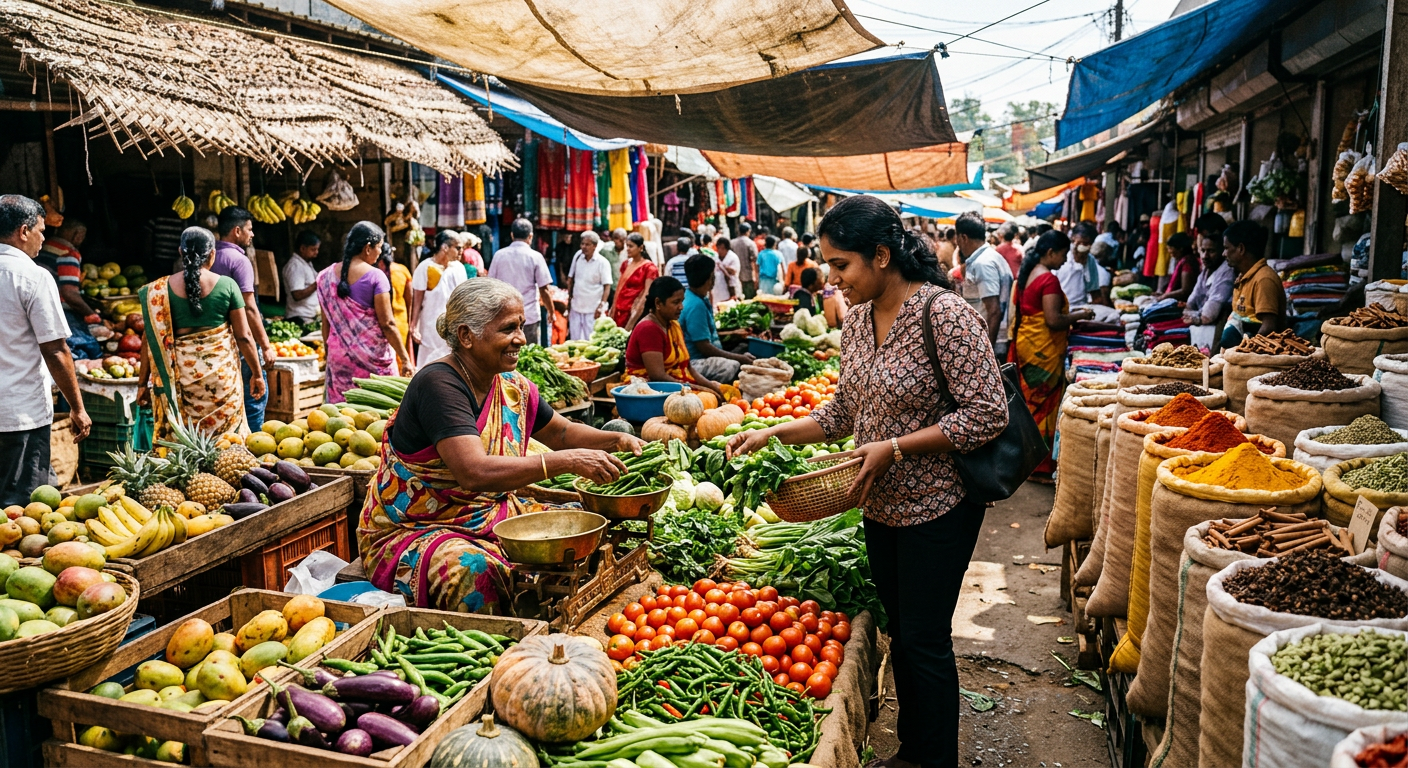
Cards are accepted at many established hotels, restaurants and supermarkets, but cash remains useful for buses, small eateries, markets, tips and rural businesses. ATMs are available in cities and many tourist towns, although your bank and the local ATM operator may impose fees or withdrawal limits. Carry smaller LKR notes, keep emergency cash separate and avoid depending on a single card.
Accommodation Costs
Accommodation is usually one of the largest expenses. A basic hostel bed, homestay or family-run guesthouse may cost roughly US$15–40 per night, depending on the location and season. Breakfast is sometimes included, but check the listing rather than assuming it is part of the rate.
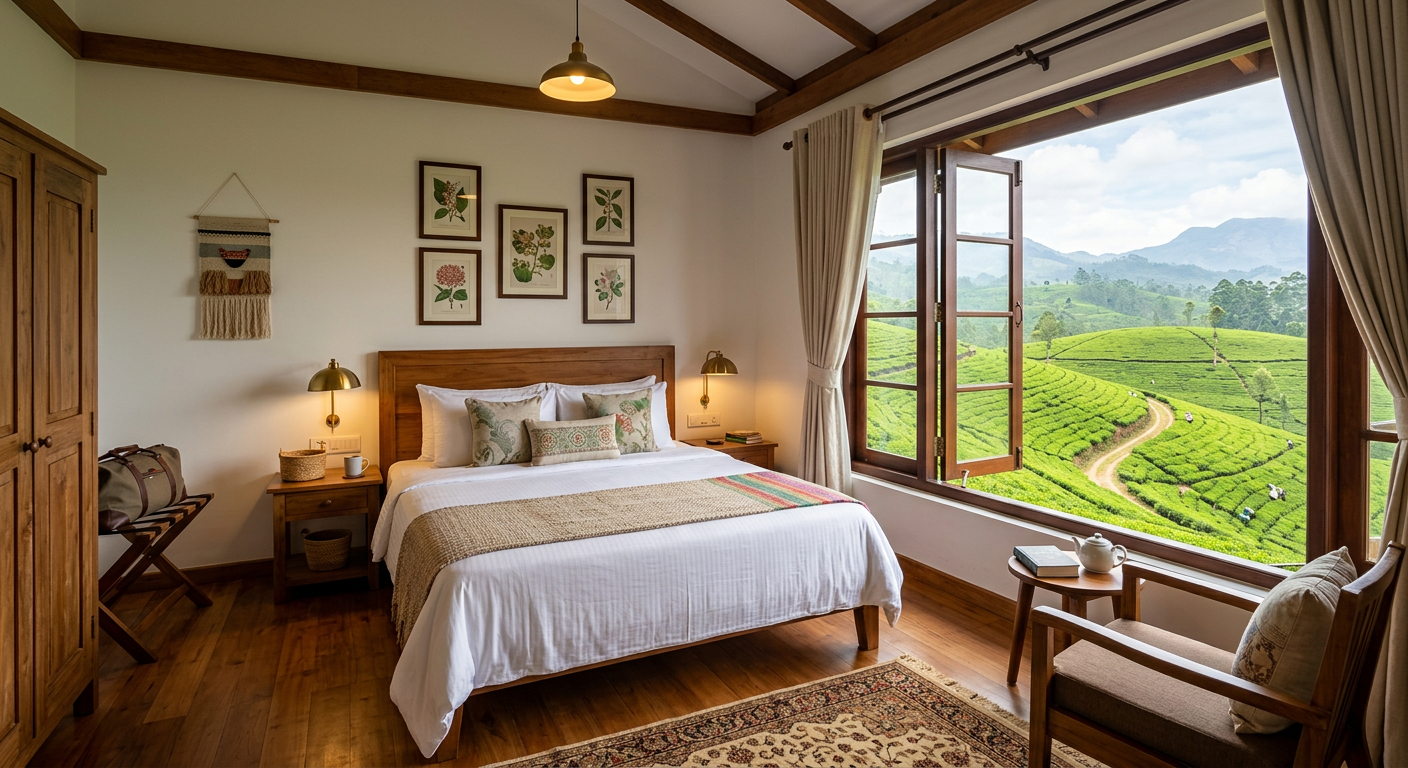
Comfortable mid-range rooms commonly fall around US$50–150 per night. This category includes modern city hotels, beach properties, plantation bungalows and small boutique stays, with facilities varying considerably. A pool, sea view, strong air conditioning or a central location can raise the rate.
Upscale resorts, heritage hotels and private villas often begin around US$200 per night and can cost much more during busy periods. Taxes, mandatory meals and seasonal supplements may not appear in the first advertised price, so review the final total before paying.
Sri Lanka does not have one simple island-wide low season. The south and west coasts, east coast and hill country experience different weather patterns, while school holidays and festive periods can also affect demand. Compare refundable rates for your specific route instead of relying on a generic list of shoulder-season months.
Food and Drink
Eating local food is one of the best ways to control your Sri Lanka travel budget. A filling meal of rice and curry, kottu, hoppers or short eats at a straightforward local restaurant may cost about US$2–6. Portions, setting and menu pricing vary, and seafood or meat dishes generally cost more than vegetarian options.
At cafes and restaurants aimed primarily at visitors, budget around US$7–18 for a main course. Upscale hotel dining, imported ingredients and beachfront settings can push the price higher. Check whether tax and a service charge will be added to the menu price before ordering.
Busy local restaurants can offer excellent value, but choose food that is freshly cooked and served hot. Bottled or properly treated drinking water is a sensible item to include in your daily budget.
Alcohol is comparatively expensive because of taxation. Prices vary widely between retail shops, bars and hotels, with imported wine and spirits carrying the greatest premium. If alcohol matters to your budget, check the menu first rather than assuming local beer will always be inexpensive.
Transport Costs
Public buses and trains are the least expensive way to travel, and many ordinary journeys cost only a few US dollars. They are best for travelers with flexible schedules because vehicles can be crowded, journey times can be long and delays occur. Reserved train seats on popular routes can sell out, especially on the Kandy–Ella corridor, so investigate current booking options before your travel date.
Train fares depend on route and class. Do not assume that first-class or observation tickets will be available at the station on the day. Buying from an unofficial reseller may also cost considerably more than the face value, so confirm what is included and use reputable booking channels.
Tuk-tuks are convenient for short trips. Metered vehicles and ride-hailing apps can make pricing clearer where available, but app coverage and driver availability are inconsistent outside larger towns. Otherwise, agree on the total fare and destination before departure. Ask your accommodation for a realistic local estimate if you are unsure.
A private car with a driver offers flexibility and can be good value for two or more people. As a planning range, allow approximately US$60–110 per vehicle per day for a standard itinerary, with higher costs for larger vehicles, long distances or premium service. Never assume that fuel, expressway tolls, parking, the driver's overnight expenses or an annual mileage allowance are included. Request a written quote listing inclusions, exclusions, route limits and payment terms.
Airport transfers, domestic flights and long one-way journeys can materially increase the total. Sri Lankan roads are often slow despite short map distances, so build an itinerary around realistic travel times rather than trying to change regions every day.
Attractions, Safaris and Guided Experiences
Major heritage sites and wildlife experiences can be more expensive than everyday food or transport. Foreign visitor prices apply at many attractions and may change, so verify current fees through the relevant site, tourism authority or park operator.
- Sigiriya: Allow roughly US$35–40 for an adult foreign visitor ticket, subject to the current official tariff.
- Polonnaruwa: Plan for approximately US$30–35, plus bicycle or local transport costs if required.
- Kandy cultural sites: Individual temples, museums and performances charge separately, so allow at least US$10–25 for a sightseeing day.
- National park safari: A practical allowance is US$50–100 or more per person once park charges, taxes, jeep hire and group size are considered.
- Whale-watching excursion: Budget approximately US$50–80, depending on the operator, vessel and inclusions.
Safari pricing is particularly easy to underestimate. Park entry, service charges, taxes, jeep hire and guide services may be quoted separately. Ask for the full price, group size, expected duration and cancellation policy. Choose responsible wildlife operators that keep a respectful distance and do not pressure animals for photographs.
Balance expensive attractions with free or low-cost experiences such as beaches, town walks, public viewpoints and local markets. Hiking conditions and access rules can change, so check locally before setting out and carry suitable water, footwear and sun or rain protection.
Connectivity, Laundry and Other Extras
A local SIM or eSIM with a useful data allowance is generally affordable, but plans and registration requirements change. Compare current packages from established mobile providers and purchase through an official outlet when possible. Keep your passport secure during any required identity check.
Guesthouses often offer laundry by the kilogram or item. Also budget for bottled water, public toilets, luggage storage, small transport connections and snacks on travel days. These expenses are modest individually but can noticeably increase a tight daily budget.
Tea, spices and handicrafts make popular souvenirs. Fixed-price shops are straightforward, while bargaining may be acceptable in some markets. Keep it friendly, do not assume every price is negotiable and be cautious about purchasing wildlife products, antiques or restricted natural materials.
Tipping and Service Charges
Tipping is appreciated for good service but should remain discretionary. Restaurants and hotels may add a service charge, although this is not always distributed directly to the person who served you. If you wish, leave a modest cash tip after checking the bill.
For drivers and guides, consider the quality and length of service rather than treating a particular dollar amount as compulsory. Confirm whether porterage, guide gratuities or staff tips are already included in an organized tour. Carrying small LKR notes makes optional tips easier.
A Sample Two-Week Budget
For 14 days, excluding international flights, a couple sharing costs might spend approximately:
- Budget trip: US$1,120–1,820 in total for two people.
- Mid-range trip: US$2,520–4,480 in total for two people.
- Luxury trip: From about US$7,000 for two people, with no firm upper limit.
These totals are planning tools, not package quotes. A route with several safaris, premium train tickets and private transfers can exceed its category even if the accommodation is modest. Conversely, staying longer in fewer places usually reduces transport costs and creates a more relaxed trip.
How to Keep Your Sri Lanka Trip on Budget
- Compare final accommodation prices, including taxes and mandatory supplements.
- Mix private transfers with trains or buses instead of hiring a car every day.
- Prioritize a few major paid attractions rather than trying to visit every site.
- Eat at a mix of local restaurants and visitor-oriented cafes.
- Withdraw cash less frequently where fees apply, while staying within safe carrying limits.
- Keep a contingency fund for delays, weather changes and last-minute transport.
Sri Lanka can still offer strong value, particularly for travelers who plan their route carefully and spend locally. Use these ranges to set a realistic starting budget, then confirm current prices for your dates and leave room for the experiences you discover along the way.