For many first-time visitors, a Sri Lanka itinerary follows a familiar arc: the Cultural Triangle, Kandy or the tea country, a safari, and a few days on the south or east coast. Jaffna sits well beyond that route at the northern end of the island, so adding it requires a conscious choice rather than a quick detour.
Is Jaffna worth visiting? For travellers interested in Tamil culture, regional food, religious architecture and recent history, the answer can be yes. However, the journey takes time, the climate can be demanding, and the peninsula is best explored at an unhurried pace. Jaffna is not an essential stop for every first trip, but it can be one of Sri Lanka’s most distinctive destinations when it suits your interests and schedule.
The Reality of the Journey North
Jaffna is roughly 400 kilometres by road from Colombo. Direct trains and intercity buses may connect the two cities, while a private vehicle usually follows the A9 through the north-central region and the Vanni. Journey times vary with the service, road traffic, railway conditions and operational changes, so treat any published duration as an estimate rather than a promise.
A daytime train can be a rewarding way to travel. The scenery gradually changes from the greener landscapes around Colombo and the north-central plains to the flatter, drier terrain of the peninsula. Reserved seats on popular services can sell out, especially around weekends, public holidays and major festivals. Check current Sri Lanka Railways information close to your travel date rather than relying on an old timetable or a named service that may no longer run as expected.
Driving offers flexibility for stops, but it does not automatically make the trip quick. Colombo traffic, breaks and changing road conditions can extend the day. A long-distance bus may be economical, although comfort and luggage space differ by service. Whichever option you choose, avoid planning an important flight connection immediately after an overland journey from Jaffna.
For most visitors, Jaffna deserves at least two full days, with three nights providing a more comfortable introduction. One day can cover the city, Nallur and the fort; another can be used for the peninsula or an island excursion. Travelling north for only one night often means spending more time in transit than experiencing the destination.
Does Jaffna Fit a First Sri Lanka Itinerary?
The answer depends less on whether Jaffna is “unmissable” and more on what you would otherwise remove. On a trip of about 10 days, including Jaffna alongside Sigiriya, Kandy, the hill country, a safari and the south coast is likely to create an exhausting itinerary. On a two-week trip, it is possible, but usually requires choosing fewer regions. With three weeks, the north becomes much easier to include without reducing every stop to a single night.
Jaffna works particularly well with Anuradhapura, Mannar or Trincomalee, subject to seasonal conditions and transport plans. It is less efficient as an isolated return journey between Colombo and the far south. An open-jaw route is not generally available for international flights from Jaffna, so most overseas visitors should still plan around their confirmed arrival and departure airports.
A Distinct Northern Identity
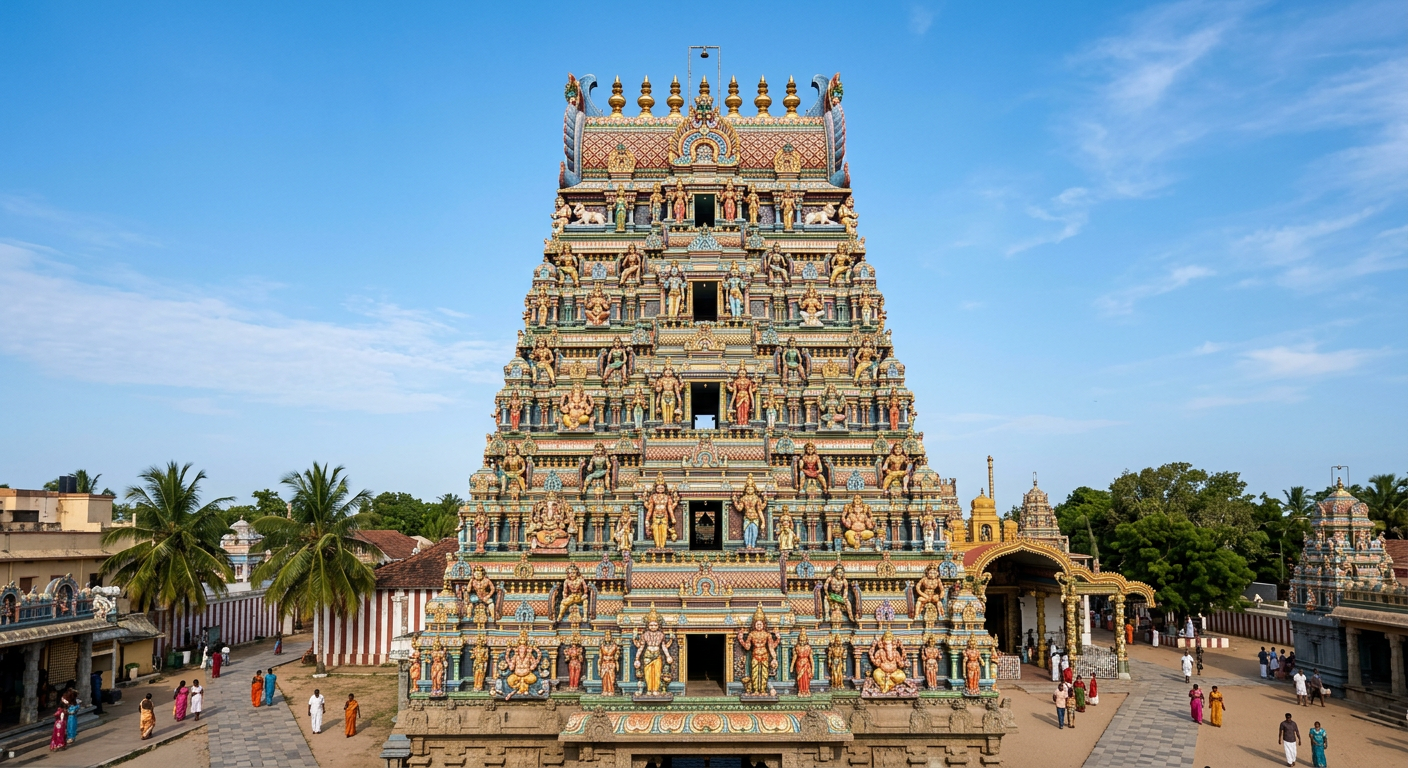
Jaffna is a major centre of Sri Lankan Tamil language, religion and cultural life. It does not feel like a separate country, but it does reveal a side of Sri Lanka that is less visible on the standard southern circuit. Tamil is the main language heard in daily life, Hindu kovils are prominent, and palmyra palms shape both the landscape and local food traditions. Christian churches, Buddhist sites and Islamic heritage also form part of the region’s more complex identity.
Nallur Kandaswamy Kovil is one of Jaffna’s best-known Hindu temples and an active place of worship rather than simply a sightseeing attraction. Visitors should dress modestly, remove footwear where instructed and follow directions at the entrance. Men may be asked to remove shirts before entering some inner areas, while access and photography rules can change during worship or festivals. Observe quietly and do not position yourself between worshippers and a shrine.
The annual Nallur festival is a major event, generally held over several weeks in the Tamil month of Aadi, although exact dates vary each year. It brings elaborate processions and large crowds, as well as road closures and high demand for rooms. Travellers hoping to attend should confirm dates and book ahead; those seeking a quiet visit may prefer another period.
Jaffna’s pace is often slower than that of Colombo or busy southern resorts. Midday heat can make walking tiring, and many travellers find early mornings and late afternoons more comfortable for exploring. The northeast monsoon can bring heavier rain and rougher sea conditions, broadly from October into January, but weather patterns are variable and should be checked before travel.
Food Is a Strong Reason to Visit
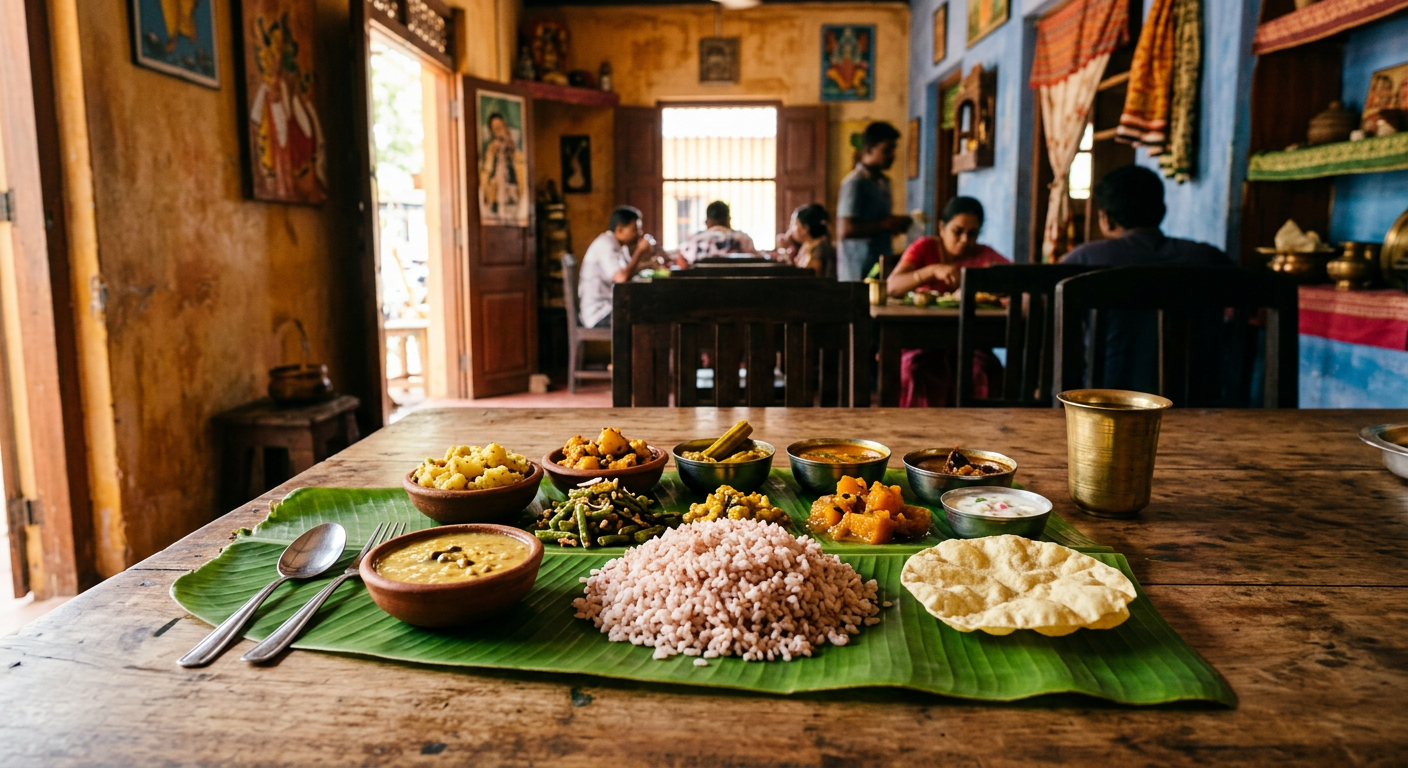
Northern Sri Lankan cooking is one of Jaffna’s greatest attractions. Flavours often feature roasted spices, tamarind, coconut, seafood and ingredients derived from the palmyra palm. Recipes vary between homes and restaurants, so there is no single definitive version of a “Jaffna curry.” Ask about the spice level rather than assuming every dish will be extremely hot.
Crab curry is widely associated with the peninsula, but availability, portion size and price depend on the catch and the restaurant. Other dishes may include mutton or fish curries, dosai, idiyappam, vadai and rice meals served with several vegetable preparations. Kool is a thick northern seafood broth that may contain shellfish, fish and palmyra-derived thickener; travellers with allergies or dietary restrictions should ask carefully about ingredients.
Vegetarian restaurants, often described locally as saiva eateries, are useful for affordable breakfasts and rice meals. “Vegetarian” does not always communicate every dietary requirement, so confirm whether you avoid dairy, egg, onion or garlic. Choose busy establishments, drink treated or sealed water, and use the same sensible food precautions you would elsewhere in Sri Lanka.
Try at least one local breakfast or rice meal, but ask before photographing staff, kitchens or other diners. Jaffna’s food culture is best experienced with curiosity rather than as a checklist of famous dishes.
What to See in Jaffna City
Jaffna Fort is one of the city’s principal landmarks. The site reflects Portuguese and Dutch colonial periods as well as later use and conflict-related damage. Opening access and restoration areas can change, so follow signs and staff instructions. The ramparts provide views towards the lagoon, but exposed sections can be hot and offer little shade.
The Jaffna Public Library is another important landmark, remembered both for its architecture and for the destruction of its earlier collection by fire in 1981. It remains a functioning institution, not merely a memorial. Visitors should respect any limits on access, photography and quiet study areas.
Other possible stops include the market, the clock tower area and religious sites around the city. A bicycle, tuk-tuk or hired vehicle can help in the heat, although prices should be agreed before departure. Accommodation ranges from simple guesthouses to comfortable city hotels, but facilities and service styles may differ from those in Sri Lanka’s most established resort areas.
Island Trips and Peninsula Excursions
Nainativu, also known as Nagadeepa, draws Hindu and Buddhist pilgrims. Visitors commonly travel by road and causeway towards a boat departure point before taking a local passenger ferry. Boats can be crowded, boarding arrangements may feel informal, and services may be affected by weather, maintenance or local demand. Confirm the latest departure details locally, carry drinking water and sun protection, and use available safety equipment.
Delft, or Neduntheevu, is farther away and generally requires more time. The island is known for coral-stone walls, colonial remains and free-roaming horses whose history is associated with the island’s colonial period. Do not feed, chase or approach the animals closely. Transport and return ferries are limited enough that Delft should not be treated as a casual half-day outing without current local advice.
Casuarina Beach and other coastal stops can be pleasant, but travellers expecting a classic tropical resort may be disappointed. Casuarina is known for shallow water, while facilities and conditions can vary. Check currents, weather and local advice before swimming; beaches without lifeguards require particular caution. Modest swimwear and considerate behaviour are appropriate near communities and religious areas.
History Requires Sensitivity
The Northern Province was deeply affected by Sri Lanka’s civil war, which ended in 2009. Its consequences remain personal for many residents. Visitors should avoid treating damaged buildings, memorials or people’s experiences as dramatic photo opportunities. Do not press residents to discuss trauma or political views, and ask permission before photographing individuals or private property.
Follow posted restrictions around government, military and other controlled sites, and do not photograph checkpoints or security facilities. Conditions and visible security presence vary by location and over time, so sweeping descriptions of the entire region are rarely helpful. Respectful travel means recognising the past without reducing present-day Jaffna to the conflict.
Who May Prefer to Skip Jaffna?
- Travellers with a packed short itinerary: If every day is already assigned, the journey north may create more pressure than enjoyment.
- Visitors focused mainly on resort beaches: The peninsula’s coast has appeal, but it does not offer the same concentration of beach hotels, surf schools and nightlife as established southern resorts.
- Anyone who dislikes heat and long transfers: Outdoor sightseeing can be tiring, particularly around midday.
- Families needing extensive child-focused facilities: Jaffna can work for children, but journey length, ferry logistics and limited shade require additional planning.
- Travellers seeking polished tourist infrastructure: The reward here is regional character, not a dense network of curated attractions and international-style venues.
The Verdict
Jaffna is worth adding to a first Sri Lanka trip when you have enough time and a genuine interest in the north. Its Tamil heritage, religious sites, regional cooking and island landscapes add valuable depth to an itinerary. Plan at least two full days, verify transport close to departure and leave room for heat or weather-related changes.
For a short first visit, skipping Jaffna is not a failure; saving it for a slower return trip may produce a better experience. For a trip of roughly three weeks, or a focused route through the north and east, Jaffna can be one of the island’s most memorable and meaningful stops.