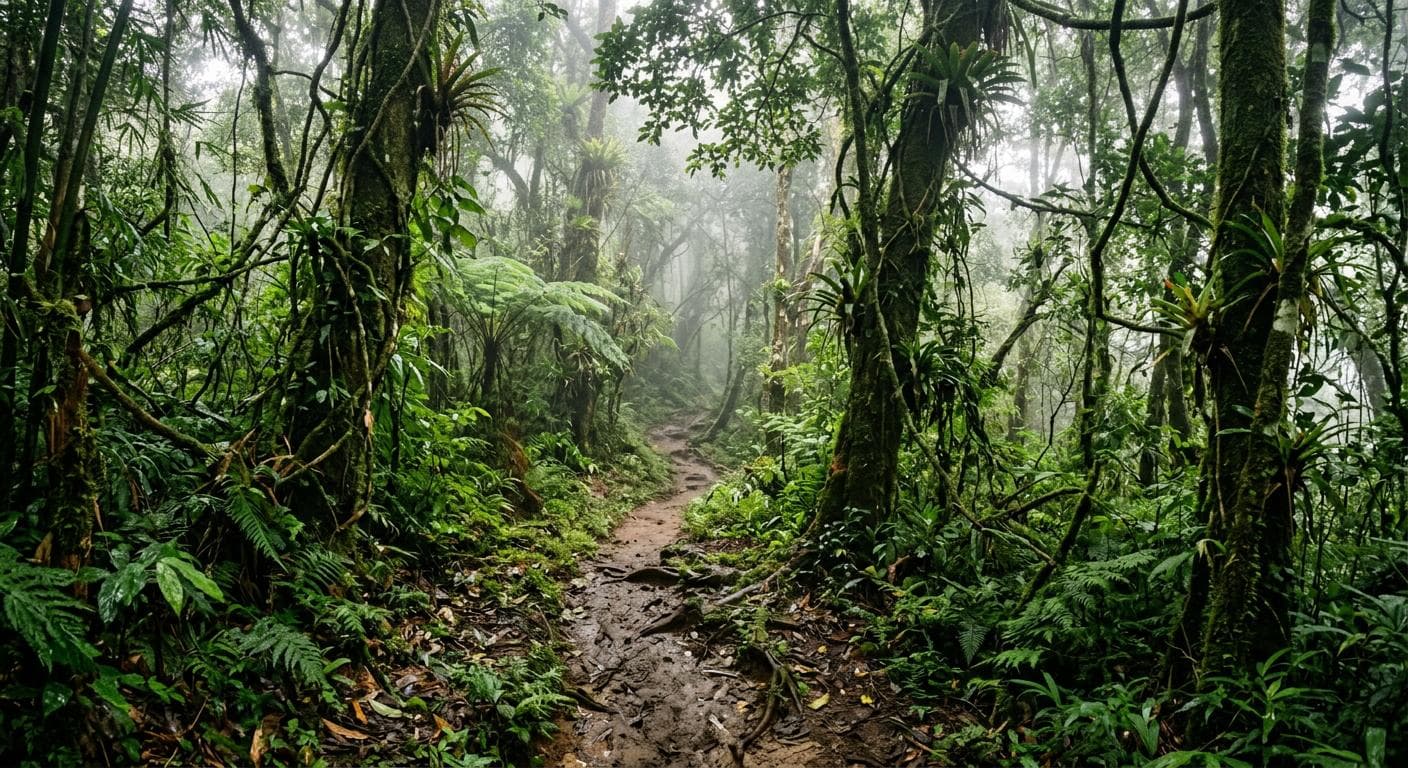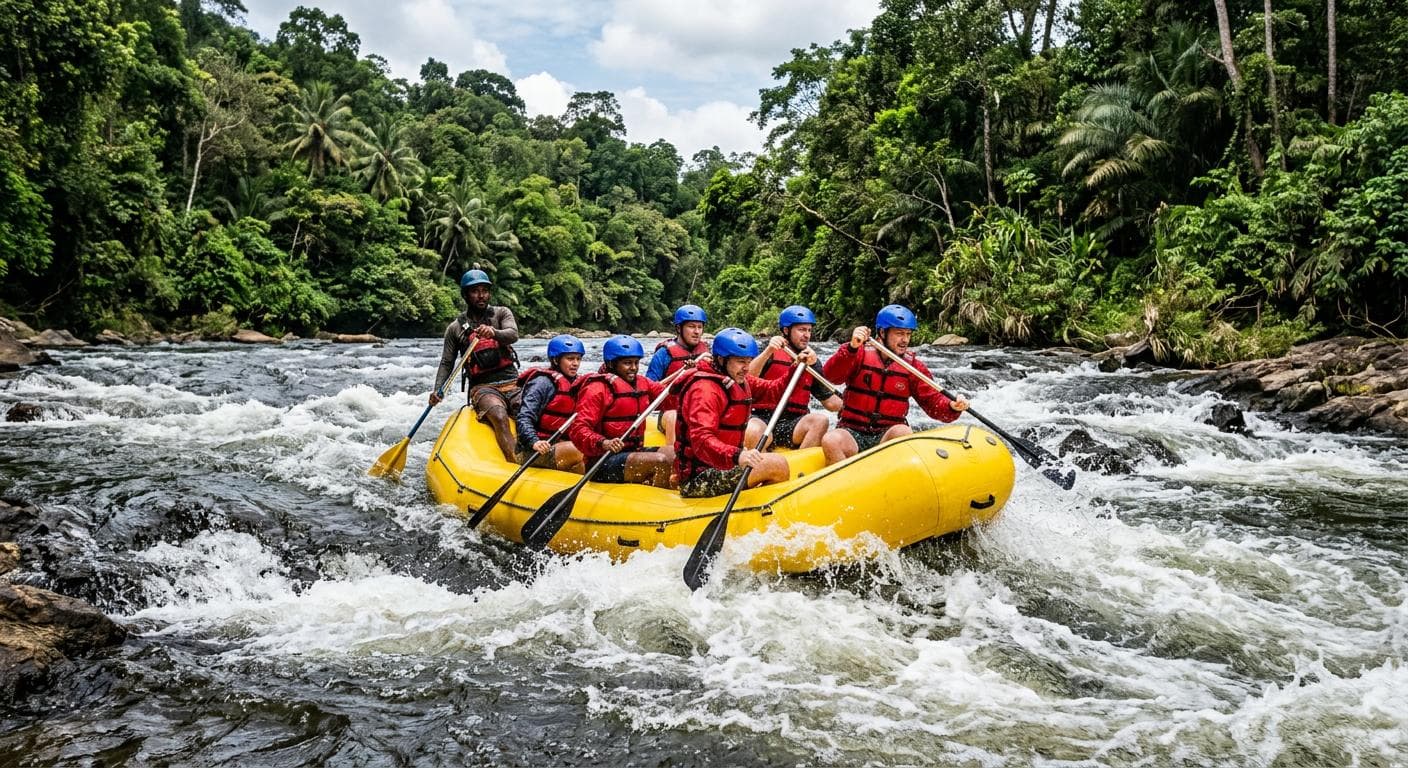
Surrounded by the green hills of Sri Lanka’s wet zone, Kithulgala is best known for white water rafting on the Kelani River. The small roadside town also provides access to rainforest walks, birdwatching, canyoning and waterfall-based adventures. It is an easy place to add outdoor activity to a journey between Colombo and the central highlands, although weather, river conditions and operator standards can shape the experience.
Kithulgala suits travellers who do not mind tropical rain, muddy paths and simple facilities. A rafting trip can fit into a day visit, but staying overnight gives you more time for the forest, an unhurried start and the atmosphere of the river after day-trippers leave.
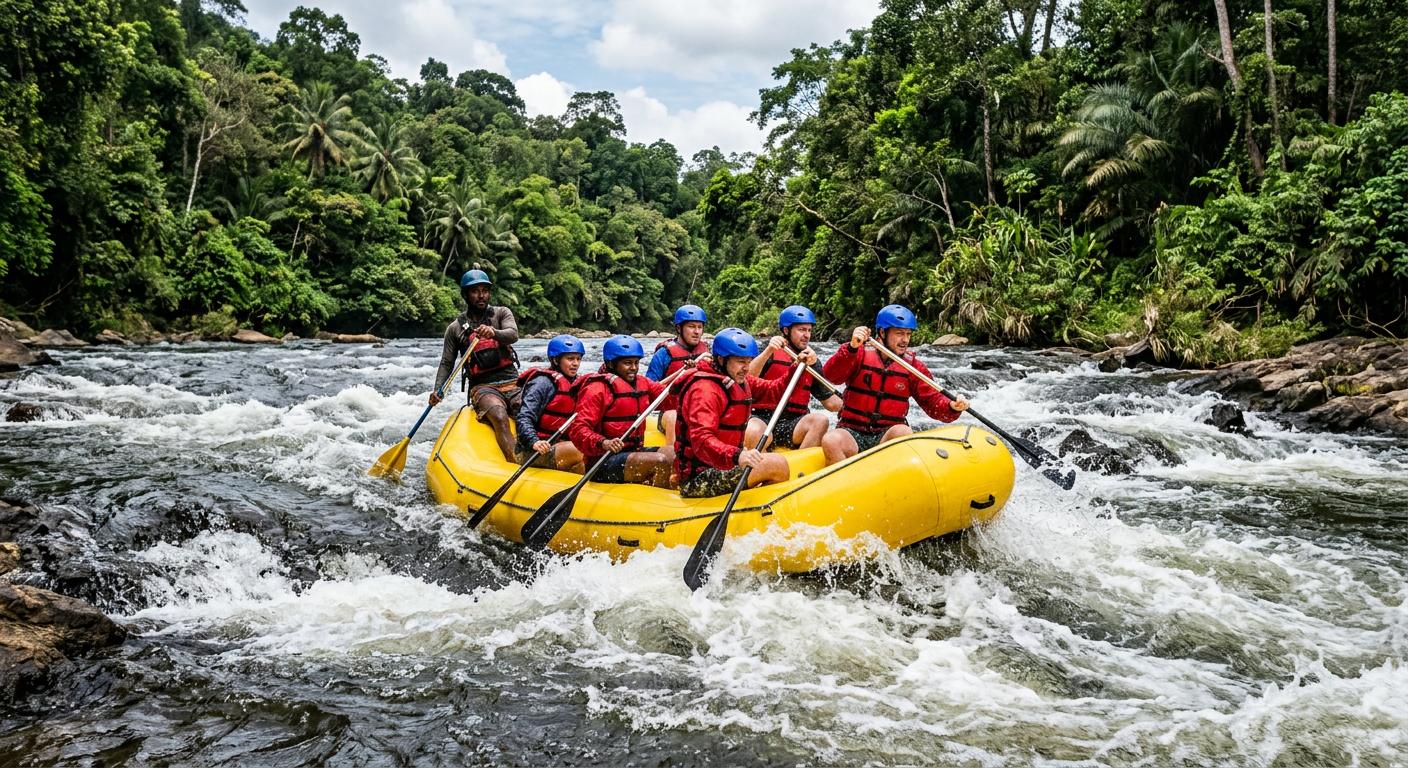
White Water Rafting on the Kelani River
The Kelani River is the centre of Kithulgala’s adventure scene. Under commonly encountered conditions, commercial trips use a section with grade II and III rapids, offering enough movement for an exciting ride without being aimed only at experienced rafters. The exact route, difficulty and time on the water depend on river levels, weather and the operator’s assessment that day.
Many standard packages advertise a run of roughly 5 kilometres. Allow around two to three hours for the whole experience, including registration, changing, equipment fitting, the safety briefing, transfers and rafting. Actual time on the river may be shorter. Some trips include calm stretches where guests may be invited to enter the water, but swimming should occur only where the guide confirms that conditions are suitable.
Operators may use colourful names for individual rapids, although names and sequences can vary. The river corridor is also associated with the filming of David Lean’s 1957 film The Bridge on the River Kwai. Remains connected with the film set are sometimes pointed out locally, but rafting is the main attraction rather than a formal film-site tour.
Who Can Go Rafting?
Beginner trips are often marketed to first-time rafters, but suitability is not determined by experience alone. Minimum ages, swimming expectations and fitness requirements vary by operator and current river conditions. Ask before booking if you are travelling with children, older relatives or anyone with a health concern, limited mobility or a strong fear of water. A responsible company should be willing to explain its restrictions and decline participation when conditions are unsuitable.
Wear the supplied buoyancy aid and helmet throughout the instructed sections, and follow the guide’s commands. Secure footwear is important because riverbanks and submerged rocks can be slippery. Avoid rafting after consuming alcohol, and do not carry loose phones, cameras or valuables unless the operator provides a suitable dry bag or secure storage.
Canyoning and Waterfall Adventures
Canyoning, sometimes described locally as stream sliding or gorge walking, is a common addition to rafting packages. Depending on the site and water level, it can involve walking through a rocky stream, sliding down smooth channels, scrambling over wet surfaces and entering natural pools. Waterfall abseiling is also offered in the wider Kithulgala area, with locations selected according to access and conditions.
These activities deserve the same care as rafting. Book with a guide who provides appropriate helmets, harnesses and other activity-specific equipment, rather than assuming a rafting life jacket is sufficient for every excursion. Guides should check landing areas and water depth before any slide or jump. No jump should be treated as compulsory, and an alternative route should be available where practical.
Heavy rain can rapidly alter streams, visibility and footing. Plans may therefore change at short notice, even if the weather appears calm in town. Treat a cancellation or route change as a sign of sensible risk management rather than a failed tour.
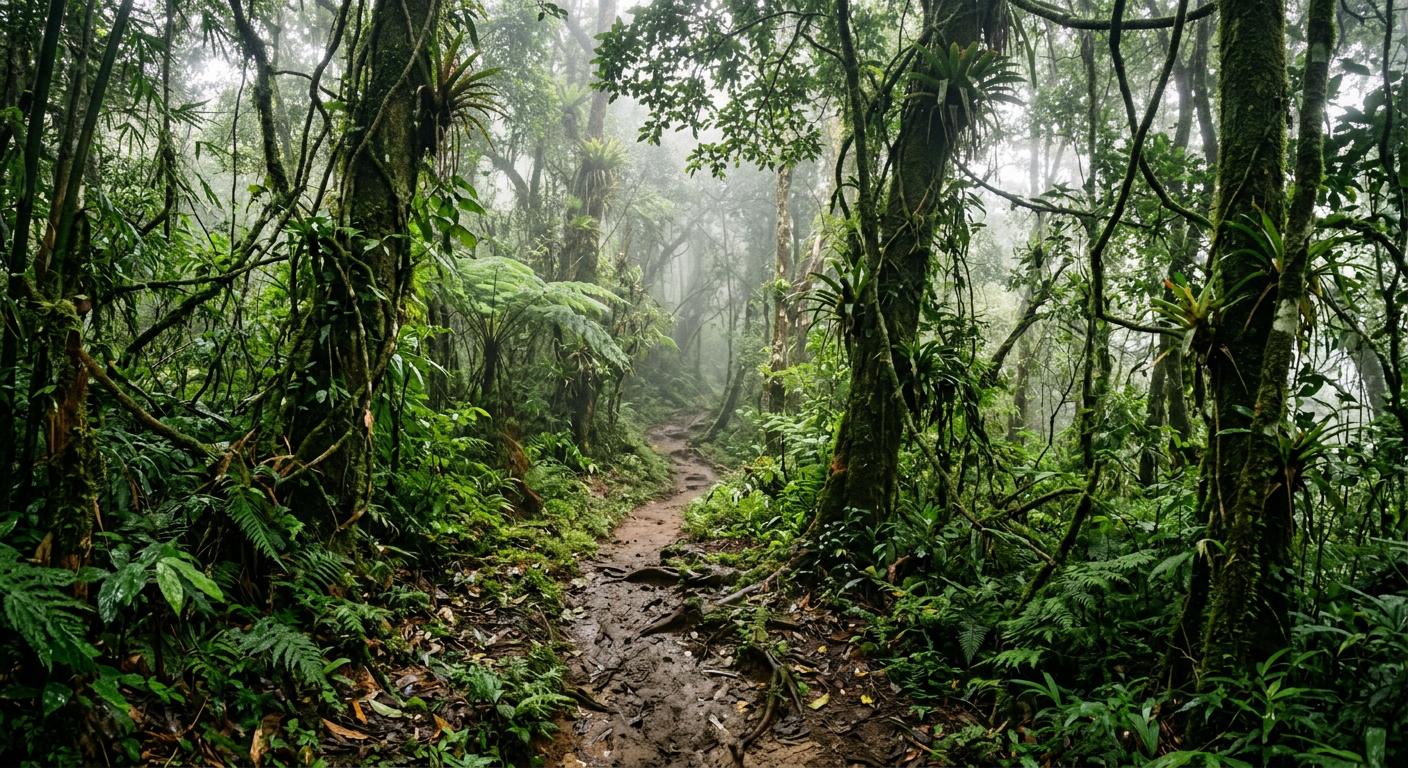
Walking in the Makandawa Rainforest
Across the Kelani River, the forest commonly referred to as the Makandawa rainforest offers a quieter contrast to the rapids. Access may involve a bridge, boat crossing or local trail, depending on where a walk begins. Arrangements and entry procedures can change, so confirm the current route with your accommodation or a local guide rather than setting out on an unmarked path.
The humid forest supports rich plant, bird and insect life. Birdwatchers may look for Sri Lankan endemics such as the green-billed coucal and Sri Lanka spurfowl, while the rare Serendib scops owl is associated with wet-zone forest habitat. Sightings are never guaranteed, particularly on a short daytime walk. A knowledgeable guide can improve your chances by identifying calls and subtle movement without disturbing wildlife.
Expect roots, uneven ground, mud and slippery leaves. Rain can arrive quickly, and leeches are common in damp conditions. Wear covered shoes with good grip, long lightweight trousers and leech socks if available. Repellent may help when used according to its label. Carry drinking water and a small rain cover, but keep your hands free for balance.
Early morning is usually rewarding for bird activity and cooler walking conditions. Move quietly, stay on established trails and avoid playing recorded bird calls repeatedly. These habits protect the forest and usually create a better wildlife experience.
When to Visit Kithulgala
Kithulgala is green because it receives substantial rainfall, and showers are possible throughout the year. There is no single month that guarantees ideal rafting. River flow can vary with recent rain and local water conditions, while very high water may make a standard run unsuitable. Lower water can expose more rocks or lead operators to adjust the route.
Rather than choosing a trip solely from a broad seasonal claim, contact a reputable operator shortly before arrival and ask about the current forecast and river assessment. Rainfall is often stronger during the southwest monsoon period and the inter-monsoon months, but Sri Lankan weather patterns are variable. Build some flexibility into your schedule if rafting is a priority.
Morning departures can offer cooler temperatures and a calmer start to the day, but they are not automatically safer or quieter. Conditions and group schedules matter more than the hour. During weekends and Sri Lankan public holidays, popular operators and riverside accommodation may fill early.
What to Pack
- For rafting: Wear quick-drying clothes that allow easy movement. Choose secure water shoes or old trainers with a firm sole; flip-flops are easily lost and offer little grip.
- For forest walks: Pack lightweight long trousers, covered walking shoes, leech socks, insect repellent and a compact rain jacket or poncho.
- For valuables: Bring only what you need. Use a proper waterproof pouch for essentials, but follow the guide’s advice about whether it is safe to carry anything on the river.
- For after the activity: Keep a dry change of clothes, towel and footwear in a bag left with the operator or at your accommodation.
- For the climate: Carry drinking water and sun protection. Humidity can be tiring even when the sky is cloudy.
How to Choose an Adventure Operator
Price should not be the only factor when comparing companies. Ask what the package includes, which section of the river will be used and whether transport, changing facilities, photographs or meals cost extra. Confirm the expected group size and whether the person leading the activity has relevant training and local river experience.
Inspect the equipment before departure. Helmets and buoyancy aids should fit properly and appear serviceable, while rafts, ropes and harnesses should be appropriate for the planned activity. The briefing should cover paddling commands, what to do if you fall into the water, how to position your body and how guides manage a rescue. If the briefing feels rushed or equipment does not fit, ask for it to be corrected before proceeding.
Also ask how the company monitors weather and river levels, whether guides carry communication and first-aid equipment, and what happens if an activity is cancelled. Travel insurance policies differ, and some exclude rafting, canyoning or abseiling unless adventure activities are specifically covered. Check your own policy wording rather than relying on an operator’s assumption.
Getting to Kithulgala
Kithulgala lies on the A7 road between Avissawella and Hatton. From Colombo, a private vehicle commonly takes around three to four hours, but traffic leaving the city, roadworks and wet weather can add time. It is a practical stop when travelling towards Hatton and the western side of the hill country, though it is not directly on every route to Nuwara Eliya or Kandy.
Public buses serve the A7 corridor, including services travelling towards Hatton, but routes and frequencies can change. Some journeys may require a connection at Avissawella or another transport hub. Confirm the latest service locally, keep luggage manageable and avoid planning a tight onward connection. The winding road can also be uncomfortable for travellers prone to motion sickness.
A car with a driver offers the simplest door-to-door option, especially for an early activity or an overnight stay away from the main road. Agree on the fare, waiting time and luggage arrangements in advance. If your accommodation is across the river or down a narrow lane, ask exactly where the vehicle can drop you.
Where to Stay and How Long to Spend
Accommodation ranges from modest guesthouses and activity camps to comfortable riverside lodges. Check whether a quoted room is reached by steps, an unpaved path or a river crossing, particularly if you have heavy luggage or limited mobility. Air conditioning is not universal, and rainforest sounds, insects and humidity are part of the setting.
For a brief visit, arrive in the morning, complete one guided activity and continue your journey after changing and eating. One night allows time for rafting plus a short forest walk, while two nights suit travellers who want birdwatching, canyoning or a slower lodge stay. Keep the itinerary flexible enough for weather-related changes.
Responsible Travel in Kithulgala
Carry reusable water where refill facilities are available, take all packaging away and avoid leaving clothing or damaged footwear beside the river. Do not use soap or shampoo in natural pools. Choose guides who keep groups on established routes, respect wildlife and avoid pressuring guests into stunts for photographs. Small choices help protect the river and forest that support Kithulgala’s tourism economy.
Is Kithulgala Right for You?
Kithulgala is a rewarding stop for travellers who value outdoor experiences over polished sightseeing. It can deliver fast-moving river adventure, close-up rainforest scenery and memorable birdlife within a compact area. Come prepared for rain, choose guides carefully and allow conditions to determine the day’s plan. With those expectations, Kithulgala offers one of Sri Lanka’s most accessible introductions to wet-zone adventure.