Sri Lanka does not have one nationwide shoulder season. Its southwest and northeast monsoons affect different regions at different times, while the central hills create their own pockets of rain, mist and sunshine. A week that works well for the south coast may be unsettled in the east, and conditions can vary considerably from one year to the next.
That complexity can reward flexible travellers. Outside the busiest holiday periods, Sri Lanka’s quieter weeks may bring better room availability, less pressure at popular sights and occasional accommodation offers. They can also bring rough seas, humid afternoons or sudden thunderstorms. Shoulder-season travel is therefore less about finding a secret month of guaranteed sunshine and more about choosing the right region, keeping plans adaptable and knowing what trade-offs to expect.
How Sri Lanka’s Seasonal Weather Works
The southwest monsoon, often called the Yala monsoon, generally brings wetter and windier conditions to the west, southwest and parts of the Hill Country from around May to September. The northeast monsoon, associated with the Maha season, most directly affects the north and east, with its core usually falling between December and February. Rain on the eastern side can begin during October or November as the wider weather pattern changes.
Sri Lanka also has two inter-monsoon periods, broadly around March and April and again in October and November. These transitions can produce intense, localised thunderstorms in many parts of the island. Rain may fall for an hour in one town while another nearby remains dry, so an all-day rain symbol on a weather app does not necessarily describe the whole day. Equally, a dry forecast should not be treated as a guarantee.
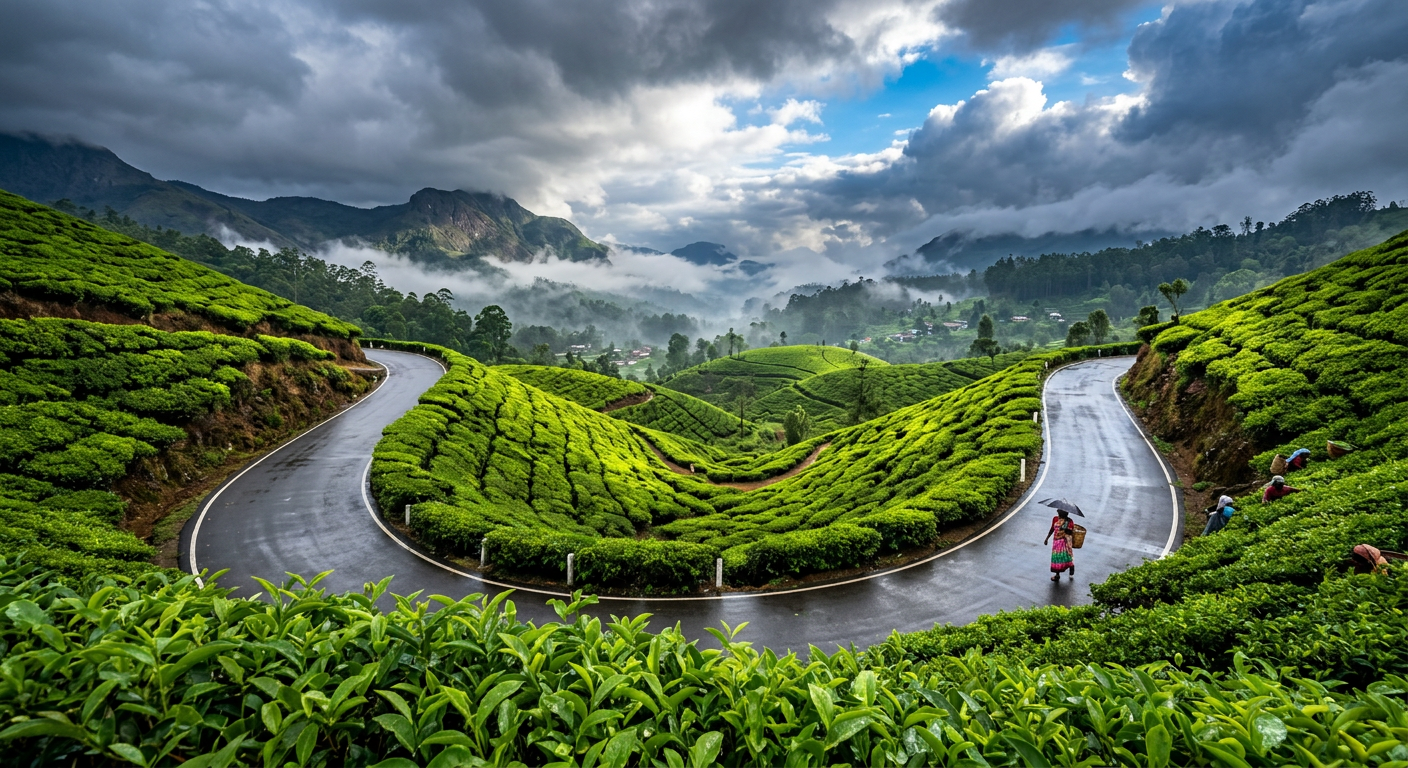
The central highlands complicate the picture further. Ella, Haputale, Kandy and Nuwara Eliya can experience rain or mist outside their main wet periods, and exposed hiking routes may become slippery quickly. Traditional seasonal patterns remain useful for planning, but short-range forecasts and local conditions matter more as your travel date approaches.
Useful Shoulder-Season Windows at a Glance
- South and west coasts: Early December and late March into April can sit on either side of the busiest dry-season period, although rain, heat and changing sea conditions remain possible.
- East coast: May and September can be quieter than the middle of the east-coast season, but conditions vary by beach and year.
- Cultural Triangle: It can be visited throughout the year, with early starts especially useful during hot or storm-prone months.
- Hill Country: There is no perfectly dependable shoulder season. April can be busy with domestic travel, while rain and mist can affect views and walks in any month.
Early December: Before the Festive Peak in the South
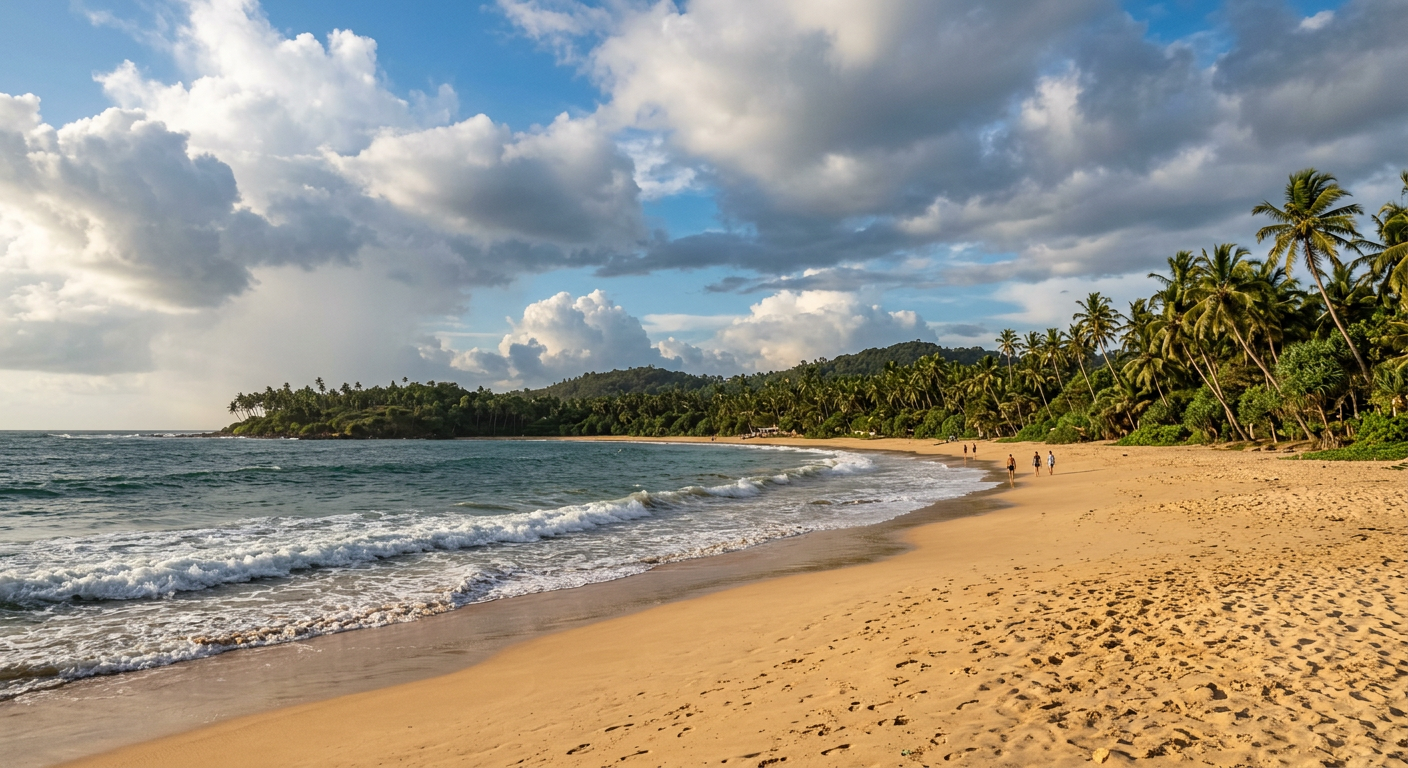
Early December can work well for Galle, Bentota, Weligama, Mirissa and other south or west-coast stops. The southwest monsoon is normally over, but the transition is not always complete. Some years bring settled mornings and increasingly calm water; others bring lingering showers, strong currents or rough surf.
This window often feels more relaxed than the Christmas and New Year period. Hotels, restaurants and activity providers are operating for the season, while festive demand may not yet have reached its height. However, lower prices are not automatic. Rates vary by property, weekday, booking lead time and local events, and some hotels introduce peak pricing earlier in December.
Plan outdoor activities for the morning and leave room for an indoor alternative, such as a museum, café or cooking experience. If waterfalls are running strongly after rain, paths and rocks may be slippery. Do not enter fast-moving water or approach an exposed viewpoint simply because it is a recognised attraction.
Sea safety deserves the same caution. A beach may look calm from shore while carrying powerful currents, and swimming conditions can change within hours. Follow warning flags, ask experienced local staff about that specific stretch of coast and avoid swimming where there is no safe entry or reliable advice. Surf lessons should be matched to your ability and the day’s conditions.
Late March and April: Heat, Thunderstorms and Holiday Travel
Late March can be a useful transition period on the south and west coasts as the main international winter season eases. April is typically among Sri Lanka’s hottest and most humid months, and afternoon or evening thunderstorms become more common during the first inter-monsoon. Mornings may still be bright, but long exposed walks are best started early.
The Hill Country is cooler than the lowlands, yet it should not be presented as a guaranteed dry escape. Ella and Haputale can receive afternoon rain, while cloud may obscure viewpoints. Nuwara Eliya is particularly popular with domestic visitors during April, so it may be lively rather than quiet. Pack a light rain layer, footwear with good grip and a warm layer for cool evenings or early train journeys.
Sinhala and Tamil New Year is usually celebrated around 13 and 14 April, with exact observances and public holidays confirmed annually. It is one of Sri Lanka’s most important family celebrations. Intercity buses and trains can be heavily used before and after the holiday, accommodation in popular domestic destinations may fill, and independent shops or restaurants may close or operate reduced hours.
For an April trip, confirm holiday dates and transport schedules for that year. Reserve essential journeys when bookings become available, but keep a backup plan because seats can sell quickly and services may be busy.
Travellers who value cultural experiences may enjoy the festive atmosphere, but Avurudu should not be treated as a low-demand bargain period. Build in extra travel time, arrange meals ahead on key holiday dates and ask your accommodation what will remain open nearby.
May and September on the East Coast
The east coast generally enjoys its more favourable beach season between roughly May and September, although the start and finish can be changeable. May may still carry transitional showers, while September can bring excellent days alongside increasing uncertainty as the next wet period approaches. Trincomalee, Nilaveli, Pasikuda and Arugam Bay also have different exposure and sea conditions, so one forecast does not fit the entire coast.
September can be appealing once some school-holiday and European summer demand has eased. Snorkelling, diving and boat trips are always dependent on visibility, wind, waves and operator decisions. Access to protected areas such as Pigeon Island can also be affected by weather or management requirements. Choose a responsible licensed operator, avoid touching coral, use the required park channels and accept cancellations when conditions are unsafe.
Arugam Bay’s surf season commonly extends through much of this period, but swell quality and suitability vary by break. Beginners should not assume that a famous surf beach is automatically safe. Use a reputable instructor who checks conditions, provides suitable equipment and selects a break appropriate to your experience.
Wildlife in the Dry-Zone Parks
During the dry season, elephants may gather around remaining water and grazing areas in and around Minneriya, Kaudulla and nearby habitats. Timing and location change with rainfall, vegetation and water management, so sightings of large herds are never guaranteed and cannot reliably be assigned to one park months in advance.
Ask an ethical safari operator for a current assessment rather than choosing solely from old photographs or social-media reports. Drivers should maintain distance, avoid surrounding animals and never pressure a herd for a closer view. A quieter sighting of a few elephants behaving naturally is preferable to joining a congested group of vehicles.
October and November: Maximum Flexibility Required
October and November are among the least predictable months for an island-wide itinerary. The second inter-monsoon can bring heavy thunderstorms to many regions, while rain begins increasing in the north and east. There may still be bright intervals, but flooding, lightning, rough seas and landslides in vulnerable areas can occasionally disrupt plans.
These months can suit slow travellers who are comfortable changing routes and spending part of a day indoors. The Cultural Triangle remains possible, especially with early starts, but exposed climbs should be postponed during lightning or heavy rain. Stone steps at Sigiriya, Dambulla and ancient-city sites can become slippery, while heat and humidity may return quickly after a shower.
Accommodation deals may appear, but October and November are not uniformly the cheapest months. Public holidays, conferences, local events and destination-specific demand can raise rates. Avoid building a non-refundable itinerary around the assumption that every region will be quiet.
Practical Planning for Sri Lanka’s Shoulder Seasons
- Use regional forecasts: Check the Sri Lanka Department of Meteorology and current local reports rather than relying on a single long-range app. For severe weather or disruption, follow official guidance from the Disaster Management Centre and local authorities.
- Keep a buffer day: Leave spare time before an international flight or other fixed commitment, particularly when crossing the hills during periods of heavy rain.
- Choose flexible bookings: Compare cancellation deadlines and payment terms instead of focusing only on the lowest rate. Confirm what happens if a weather-dependent tour is cancelled.
- Start early: Mornings are often the best window for hikes, heritage sites and wildlife drives, though they are not guaranteed to be dry. Early starts also reduce exposure to midday heat.
- Pack for humidity and rain: Carry a breathable rain jacket, quick-drying clothing, sun protection and a waterproof pouch for electronics and documents. An umbrella is useful in towns but not during lightning or strong wind.
- Protect against heat: Drink water regularly, take shade breaks and avoid demanding activity during the hottest part of the day. Children, older travellers and anyone with health concerns may need a gentler pace.
- Respect sea warnings: Do not judge swimming safety from sunshine alone. Wind, swell and currents may remain hazardous after rain has cleared.
- Check journeys on the day: Confirm train, bus, road and boat arrangements with the relevant operator, especially around public holidays or after severe weather.
Is Shoulder Season Right for You?
Sri Lanka’s quieter weeks suit travellers who can tolerate some rain, adapt daily plans and choose regions carefully. They are less suitable for anyone whose trip depends on uninterrupted beach weather, a single mountain view or a tightly timed chain of outdoor activities.
The reward is not guaranteed sunshine or guaranteed savings. It is the chance to travel at a more relaxed pace, see landscapes refreshed by rain and respond to the island as it is rather than forcing every day into a fixed schedule. Pick the region that best matches the month, retain some flexibility and treat local safety advice as more important than the original itinerary.