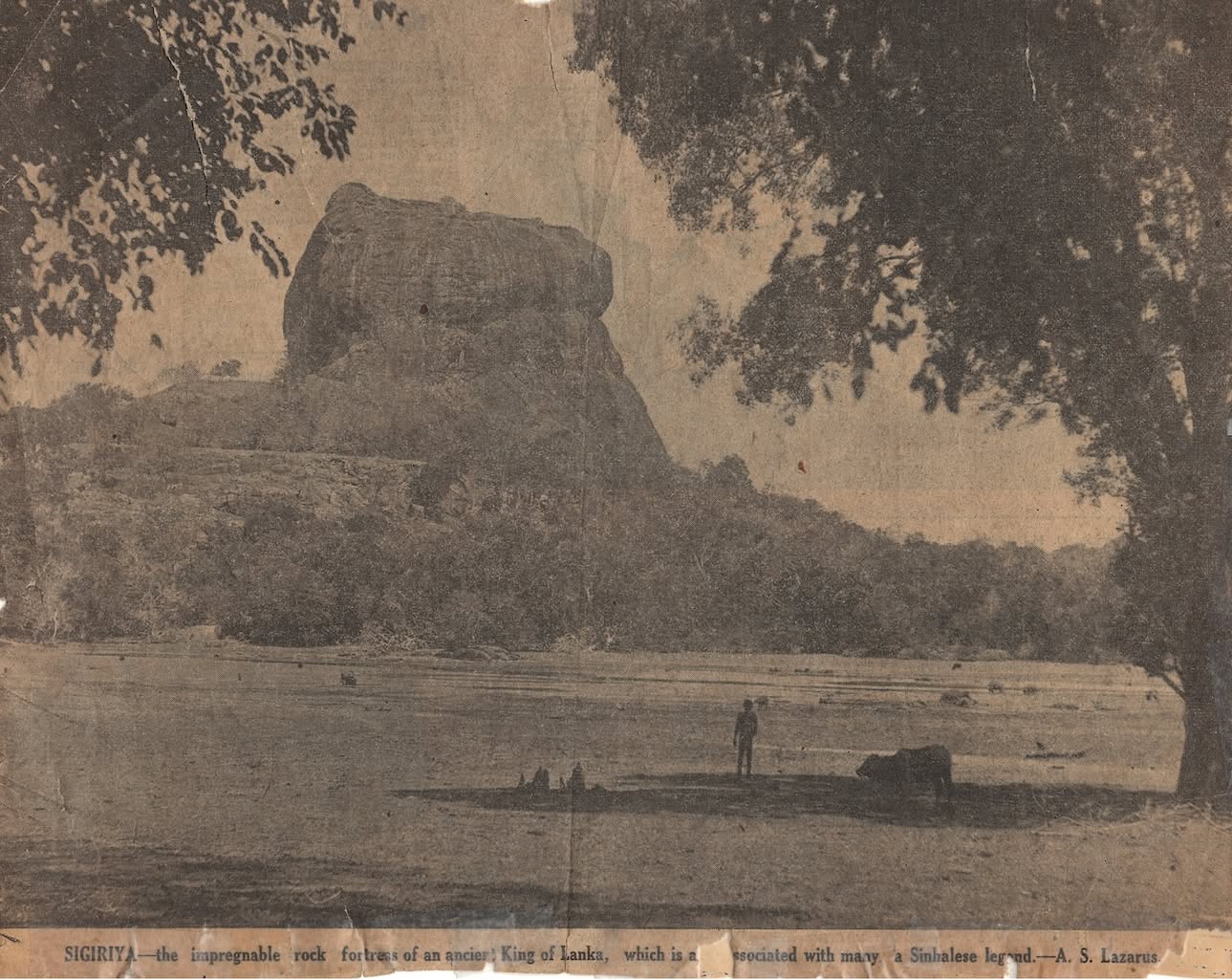
Rising above Sri Lanka's central plains, Sigiriya Rock Fortress is one of the country's most memorable archaeological sites. The climb combines landscaped gardens, ancient paintings, dramatic stairways and far-reaching views from a summit around 200 metres above the surrounding landscape. It is achievable for many reasonably active visitors, but heat, humidity, exposed steps and crowds can make it more demanding than photographs suggest.
A little planning will make the experience far more enjoyable. Arrive early, allow enough time for the gardens as well as the summit, carry water and avoid treating the climb as a race. This guide explains what first-time visitors can expect while keeping changeable details, such as opening hours and ticket prices, in perspective.
Why Sigiriya Is Historically Important
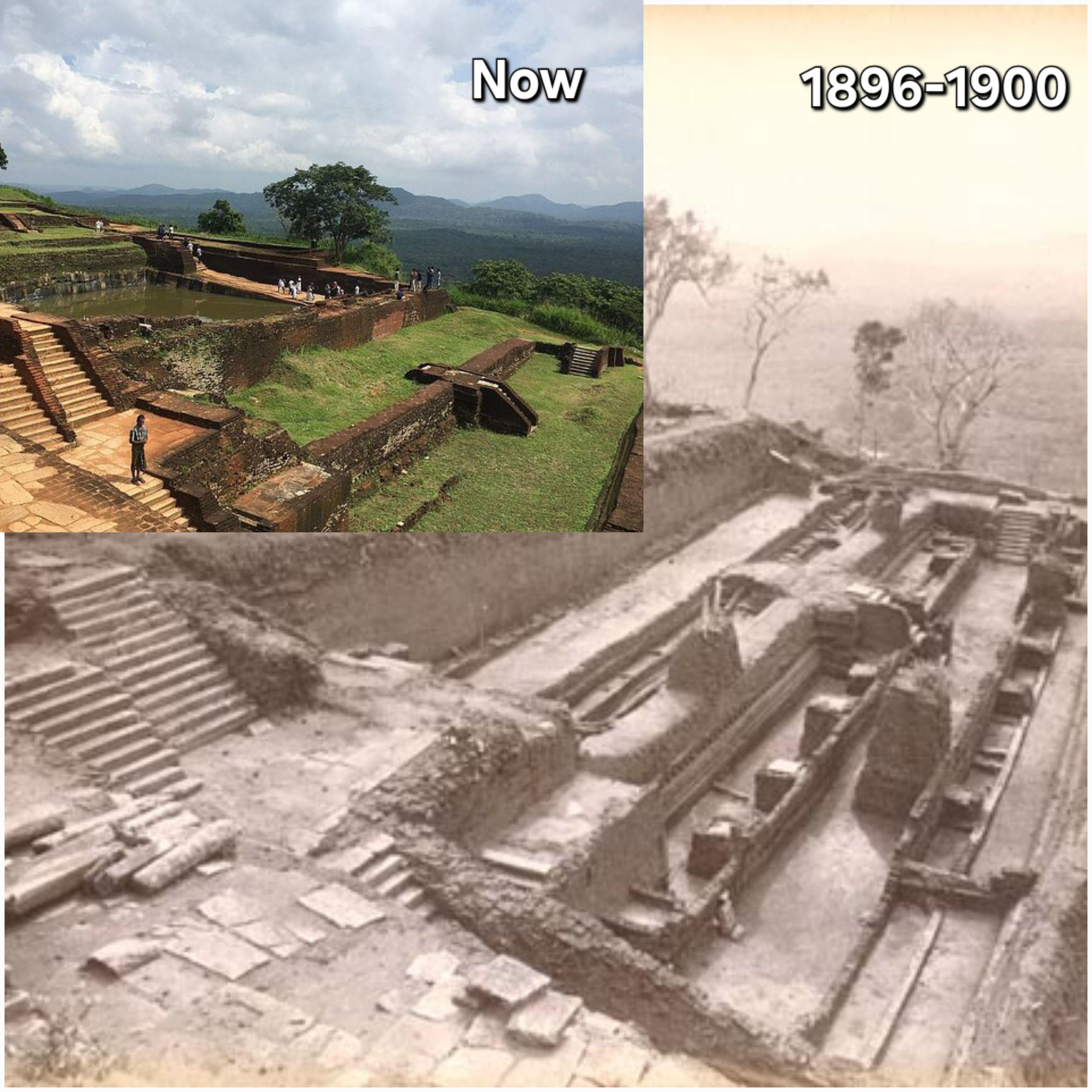
Sigiriya, commonly called Lion Rock, is a UNESCO World Heritage Site. The best-known historical account connects the citadel with King Kashyapa I, who ruled from 477 to 495 CE and established his capital here. The summit contains the foundations of substantial buildings, terraces, cisterns and a rock-cut pool, while the grounds below include sophisticated water, boulder and terraced gardens.
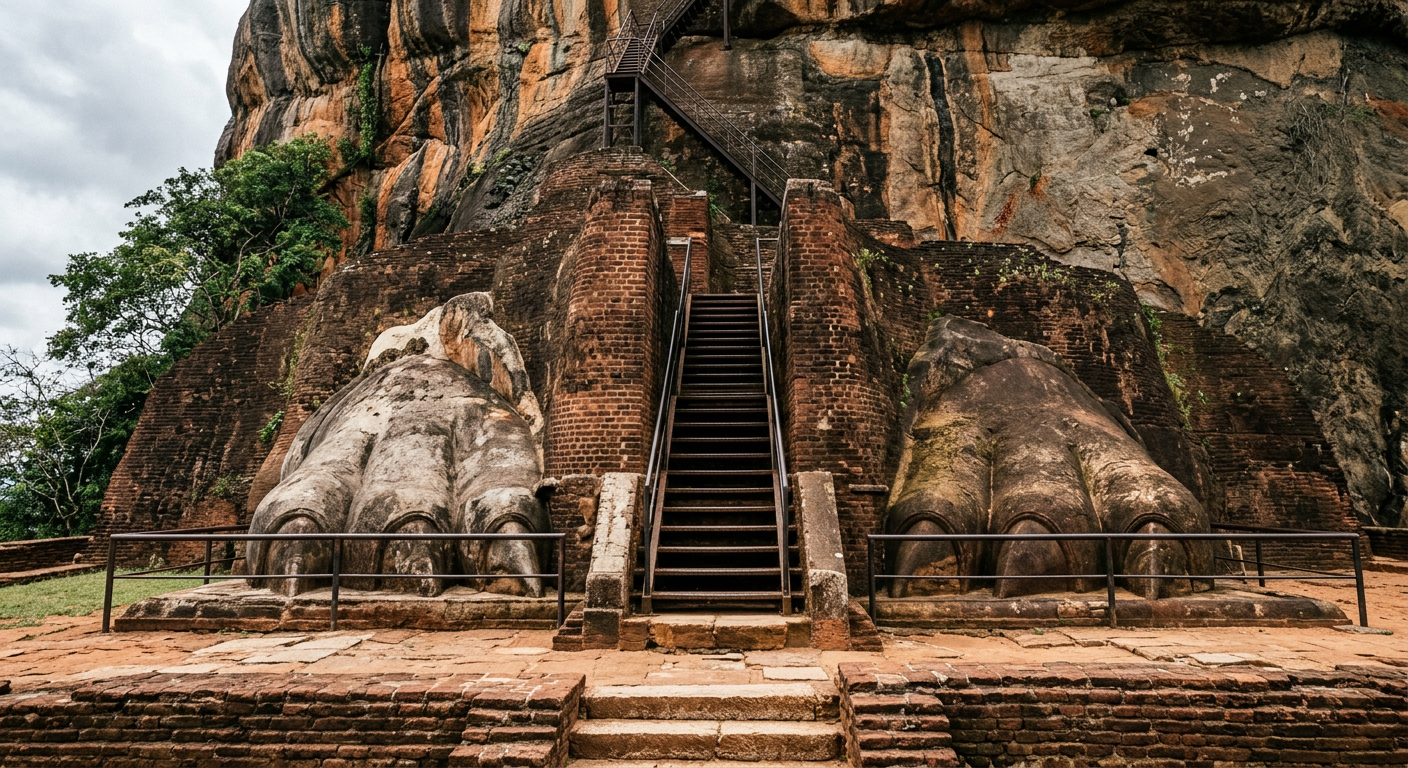
The rock's name is associated with the enormous lion-shaped gateway that once marked the final ascent. Only the monumental paws remain, but they still give a sense of the original scale. Sigiriya also has a longer and more complex history than the palace story alone: the surrounding area had religious associations before Kashyapa's reign and returned to monastic use after it.
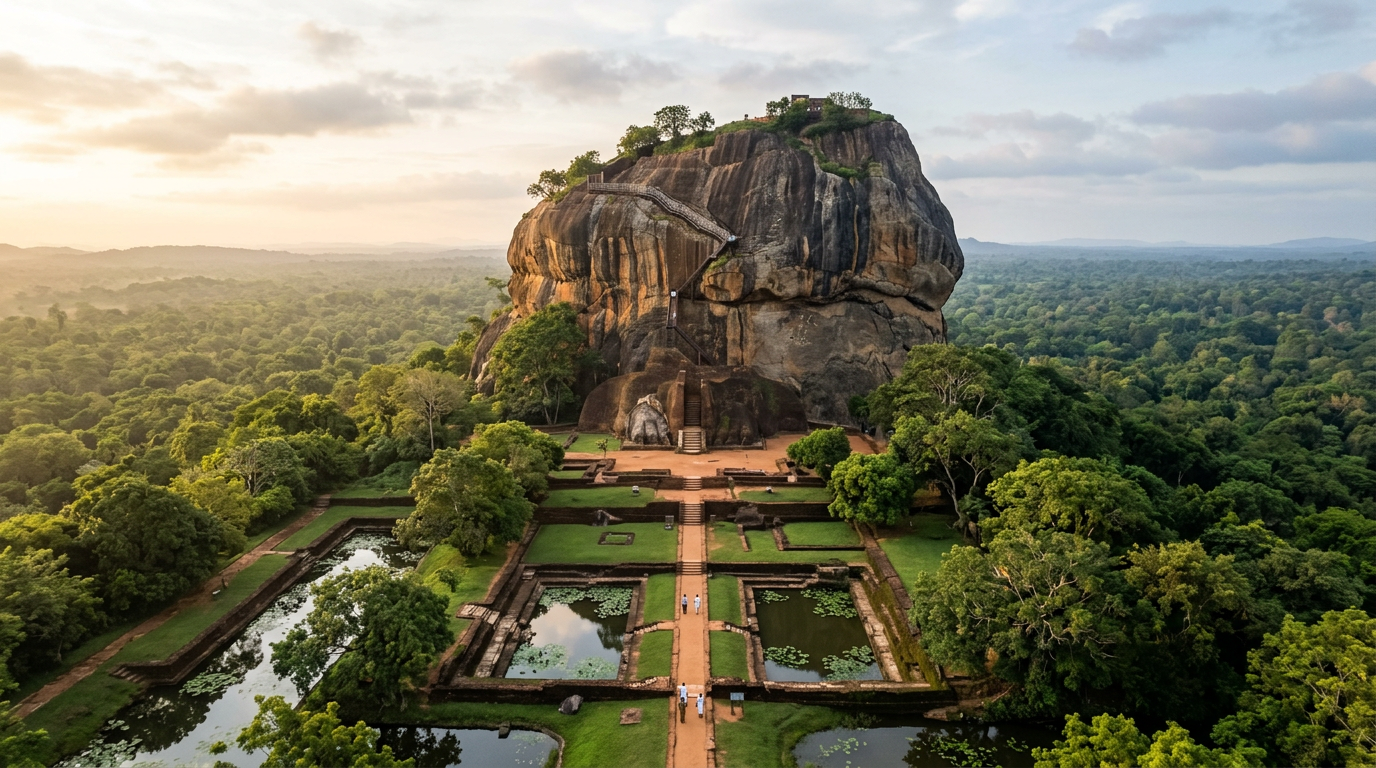
Do not rush directly to the stairs. The carefully planned gardens and natural boulders are integral to the site, and early visitors may see the water gardens at their most peaceful. Water features are generally more noticeable after rain, although their appearance varies with weather and maintenance.
Best Time to Climb Sigiriya
Early morning is usually the most comfortable time to start. Temperatures are lower, the light is softer and large groups may be less numerous than later in the morning. Published opening hours have commonly begun around 6:30 AM, but schedules, last-entry rules and ticket arrangements can change. Confirm the current information through Sri Lanka's official cultural heritage channels or at the ticket office rather than relying on an old blog post.
A late-afternoon visit can also be pleasant, but it requires more caution. Admission may stop before the site closes, and staff can begin clearing elevated areas in time for visitors to descend safely. Arriving close to closing time may leave too little time for the museum, gardens and summit. Sunset is not guaranteed from the top because access is controlled by official site hours.
Midday is generally the least comfortable period, particularly on clear days. Much of the upper climb is exposed, metal stairs can feel hot and humidity can increase the effort required. Cloudy weather is not a reason to ignore sun protection, while rain may make stone steps and polished surfaces slippery. During thunderstorms or severe weather, follow staff instructions and postpone exposed climbing if access is restricted.
Tickets, Guides and Getting There
Foreign visitor admission is considerably higher than the price for local visitors, and fees can change. Buy from the official counter or an authorised official platform, if one is operating, and check what the ticket includes. Keep the ticket available until you leave because it may be checked at more than one point. Carry a payment alternative in case your preferred card or digital method is unavailable.
Sigiriya is in Sri Lanka's Cultural Triangle, with Dambulla and Habarana among the most useful nearby transport hubs. Travellers commonly arrive by hired car, taxi, tuk-tuk or a combination of local bus and tuk-tuk. Agree on the fare before a tuk-tuk journey and confirm where your driver will meet you after the visit. If staying in Sigiriya village, some guesthouses are within cycling or short driving distance, but ask about road conditions and lighting before setting out near dawn.
A guide is optional rather than essential. A knowledgeable licensed guide can add context to the gardens, engineering and archaeology, especially because many summit remains are foundations rather than intact buildings. If accepting guiding services, ask what the tour covers, how long it lasts and the full price before starting. Visitors who prefer to explore independently should allow time for official signs and, if open, the site museum.
How Difficult Is the Sigiriya Climb?
The route is often described as having around 1,200 steps, although the experience matters more than the exact count. The climb combines uneven stone stairs, spiral stairs and exposed metal staircases. There are places to pause, but shade becomes limited on the upper section. A steady ascent may take 45 to 90 minutes depending on fitness, congestion and stops, while a complete visit commonly takes about two and a half to four hours.
The route can be challenging for anyone uncomfortable with heights. The upper stairs have handrails and are built for visitors, but some sections are narrow and attached to the rock face. Crowds can slow movement in both directions. Keep to the instructed route, use the handrails, allow space between visitors and never climb beyond barriers for a photograph.
Sigiriya is not fully accessible to visitors with limited mobility because reaching the upper levels requires many stairs. Those uncertain whether the climb suits their health or mobility should seek appropriate personal advice and can still enjoy parts of the gardens and lower archaeological area. Conditions at the site may affect how far any visitor can proceed.
The Ascent, Step by Step
Water Gardens and Boulder Gardens
The approach begins across the formal water gardens, where pools, channels and symmetrical landscaping frame the rock. The path then reaches the boulder gardens, a less formal area that incorporates enormous natural rocks, arches and remnants of structures. Steps become more frequent as the route rises through this section.
Frescoes and the Mirror Wall
A separate stairway leads towards the surviving Sigiriya frescoes, painted figures for which the site is famous. Photography has been prohibited in this area, and visitors should obey the current signs and staff directions rather than attempting a discreet phone picture. Flash, touching and crowding can damage or disrupt a sensitive heritage space.
The route continues past the Mirror Wall, once finished to a highly polished surface. Verses and comments written by historic visitors provide valuable evidence of Sigiriya's long cultural reputation. They are protected heritage, so adding marks or touching fragile surfaces is unacceptable.
Lion Terrace and Final Stairs
At the Lion Terrace, two giant brick-and-plaster paws flank the gateway to the final ascent. This is a useful place to pause before the steepest and most exposed stairs. Listen to staff, keep bags close to your body and avoid blocking the route. If the height feels overwhelming, it is sensible to stop rather than continue under pressure.
Climb steadily and look back only from a secure stopping place. The changing view is part of the experience, but safety and consideration for other visitors come first.
What to Wear and Carry
- Water: Carry enough drinking water for the heat and your personal needs. Do not assume refreshments will be available after entering the climbing route.
- Footwear: Wear supportive shoes or secure walking sandals with good grip. Smooth soles and loose flip-flops are poor choices on steep or wet steps.
- Sun and rain protection: Bring a hat, sunscreen and a light rain layer. An umbrella can obstruct others on narrow stairs and may be unsafe in wind.
- Light clothing: Breathable clothes are practical in the humid climate. Sigiriya is primarily an archaeological attraction, but respectful clothing remains appropriate.
- Small bag: Keep your hands free for railings. Secure food, sunglasses and loose objects, particularly around monkeys.
- Camera or phone: Photography is rewarding in permitted areas, but drones and professional equipment may be restricted. Check current rules and never cross barriers for an image.
Monkeys, Wasps and Visitor Safety
Toque macaques are frequently seen around Sigiriya. Do not feed, touch or tease them, and do not display food. Keep bags closed and supervise children, as monkeys may approach items they associate with food. Observe wildlife from a respectful distance.
Large wasp colonies can occur on the rock face. Warning signs and temporary restrictions should be taken seriously. Remain quiet in designated areas, do not disturb nests and follow instructions from site staff immediately. If a section is closed because of wasp activity, weather or maintenance, do not attempt to bypass the closure.
Heat can affect the climb quickly. Start hydrated, take rests in safe places and turn back if you do not feel able to continue. Avoid sitting on narrow stairs or stopping where you block the flow of visitors. Families should keep children close, especially on exposed upper sections.
Exploring the Summit
The summit contains palace foundations, terraces, water-storage features and a large rock-cut pool. Interpretation is easier with a guide or prior reading because little remains at full height. Allow at least 20 to 30 minutes to walk around rather than reaching the top, taking one photograph and immediately descending.
On a clear day, the summit offers broad views across forests, reservoirs, farmland and isolated hills, with Pidurangala Rock prominent nearby. Stay behind barriers and keep away from unprotected-looking edges even when other visitors appear to be taking risks. The return route differs in places from the ascent, so follow directional signs rather than retracing restricted sections.
Should You Also Climb Pidurangala?
Pidurangala Rock, a short drive from Sigiriya, is known for its panoramic view towards Lion Rock. It is usually less expensive to enter, but it is not simply a smaller version of Sigiriya. The route passes through an active temple area and becomes a rough hike, with a short boulder scramble near the summit. Secure footwear and the ability to use hands for balance are important.
Dress respectfully for the temple and follow instructions about covering shoulders and knees or removing footwear in designated areas. Carrying a light scarf or cover-up can be useful. At sunrise or sunset, bring a torch, avoid hiking alone if unfamiliar with the trail and remember that wet rocks can be slippery. Check current access hours and conditions locally.
Choose Sigiriya for the archaeology, gardens, frescoes and historical setting. Choose Pidurangala primarily for a more rugged outing and the classic outward view of Sigiriya. Active travellers sometimes visit both on the same day, but doing so in intense heat can be tiring. Splitting the climbs across two mornings or an afternoon and a morning is often more comfortable.
A Sensible First-Time Plan
- Confirm current opening hours, admission details and weather conditions.
- Arrive near opening time and buy or validate your official ticket.
- Explore the water and boulder gardens before beginning the main ascent.
- Climb at a steady pace, following photography rules and staff directions.
- Spend time interpreting the summit remains and enjoying the view safely.
- Descend carefully, then visit the museum if it is open and included in your plans.
Sigiriya rewards patience. Its importance lies not only in the summit panorama but also in the relationship between architecture, gardens, water engineering, art and landscape. With an early start, realistic expectations and respect for site rules, a first climb can be both manageable and deeply memorable.