Sigiriya is one of Sri Lanka’s most memorable archaeological sites, but it can also be a demanding day out. The combination of exposed stairways, tropical heat, crowds and onward travel can leave visitors too tired to appreciate the setting. A better approach is to make Sigiriya the focus of the day, climb at a comfortable pace and choose only one gentle activity for later.
Rethinking the Cultural Triangle Rush
It is tempting to fit Sigiriya, Dambulla and Polonnaruwa into a short stay, especially when a map makes them appear relatively close. In practice, driving times, ticket queues, meals and the heat all add up. Polonnaruwa is a substantial archaeological site in its own right, while Dambulla includes an uphill approach before you reach the cave temples.
For a calmer visit, allow at least two nights in the Sigiriya, Dambulla or Habarana area. This gives you one unhurried morning for Sigiriya and enough flexibility to rest during the hottest part of the day. If you have only one night, prioritise the place that matters most rather than treating the region as a checklist.
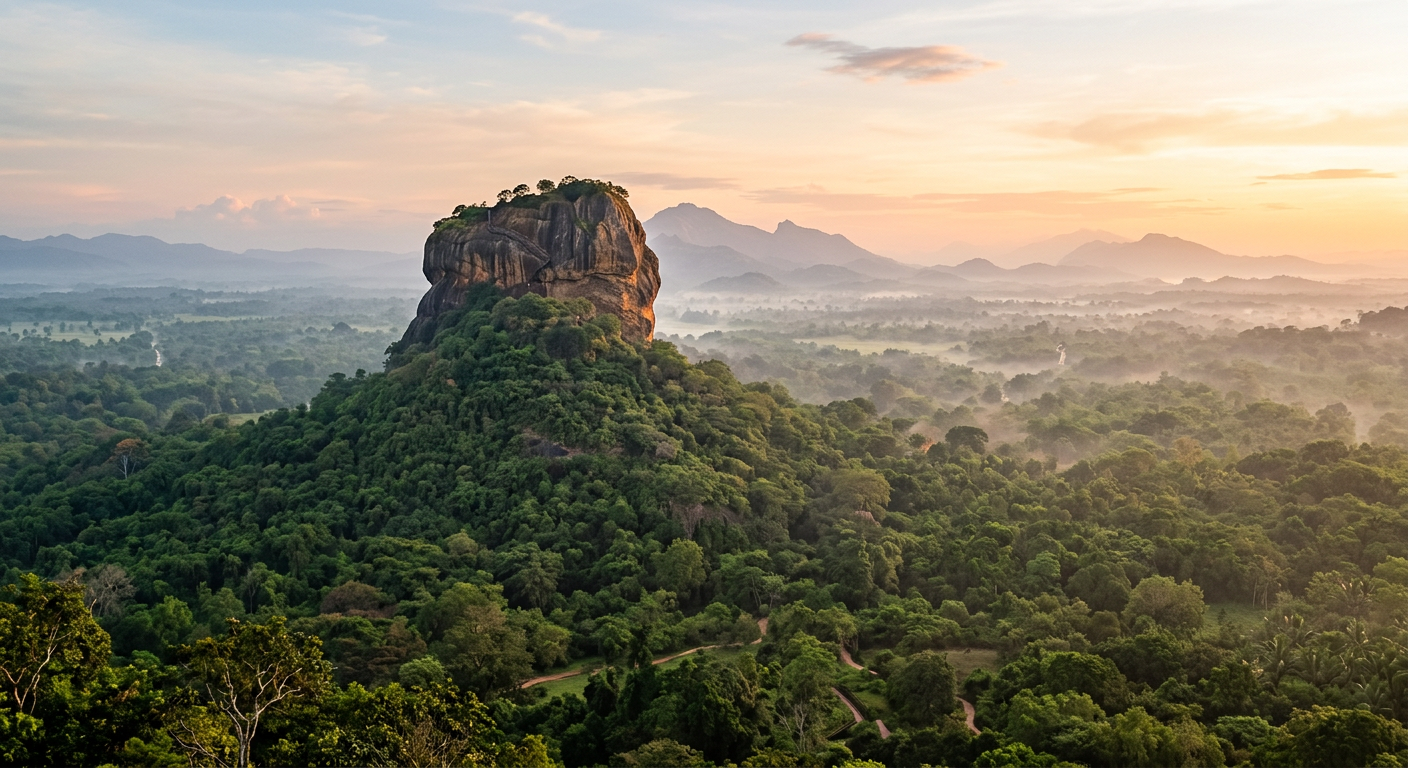
A Realistic Plan for the Day
Opening hours, last-entry rules and ticket arrangements can change, so confirm the current details with the official site, your accommodation or a reliable local operator shortly before visiting. An early start is generally the most comfortable choice, but it should still include time for breakfast, transport and buying tickets.
- Early morning: Arrive close to opening time and explore the water gardens before beginning the main climb. Walk slowly and use the natural pauses at the museum, gardens and terraces rather than rushing directly to the summit.
- Late morning: Return to your accommodation for a shower, drink and proper meal. Avoid scheduling a long transfer immediately after the climb if you can.
- Early afternoon: Rest in the shade or by a pool. This is also a useful window for reading about the site, arranging transport or simply recovering.
- Late afternoon: Choose one lower-effort activity, such as a short village walk, a carefully selected safari or a visit to Dambulla if your energy and timing allow.
A late-afternoon Sigiriya visit can work for some travellers, but do not rely on arriving close to closing time. You need enough time for the gardens, stairways, summit and descent, and poor weather may slow the climb.
What the Sigiriya Climb Is Really Like
The route combines level garden paths, old stone steps and modern metal stairways. The final sections are steep and exposed, and there can be queues where the route narrows. Many descriptions refer to roughly 1,200 steps, although the experience feels different depending on which areas you explore and how often you pause.
You do not need to race to the top. Stop where it is safe to do so, allow faster visitors to pass and avoid blocking narrow stairs. The summit has uneven ground and limited shade, so save time and energy for the descent. Anyone uncomfortable with heights should know that parts of the route use open-sided metal staircases attached to the rock.
Sigiriya is not fully accessible for visitors with limited mobility. Even without reaching the summit, however, the landscaped water gardens, lower ruins and museum can provide valuable context. Ask at the entrance about current access conditions rather than assuming every section will be manageable.
Wasps can occasionally be a concern around the rock. Pay attention to posted notices and staff instructions, keep noise down in warning areas and never disturb nests. If officials temporarily restrict access, follow their direction.
Practical Heat and Hydration Advice
Conditions vary by season, cloud cover and personal fitness, but the central plains can feel very hot by late morning. Prepare before the climb rather than waiting until you are thirsty or uncomfortable.
- Carry enough water: Bring a refillable bottle and more water than you would for an ordinary walk. The right amount varies by person, weather and climb duration, so avoid relying on a single small bottle.
- Wear suitable clothing: Choose lightweight, breathable clothes, secure walking shoes and a hat. Loose items can be awkward on stairways, and sandals without grip are a poor choice for uneven steps.
- Use sun protection: Apply broad-spectrum sunscreen before setting out and reapply it according to the product instructions. Sunglasses are also useful on exposed sections.
- Take deliberate breaks: Rest in genuinely safe areas rather than stopping suddenly on narrow stairs. A guide or site attendant can help identify appropriate places to pause.
- Listen to your body: If you feel faint, confused, unusually weak, nauseated or unwell, stop climbing, move to a cooler place and alert a companion or site staff. Seek medical assistance when needed rather than trying to push through.
The most rewarding pace is the one that leaves you enough energy to notice the gardens, brickwork and landscape, not just reach the summit.
Pidurangala Is Different, Not an Easier Sigiriya
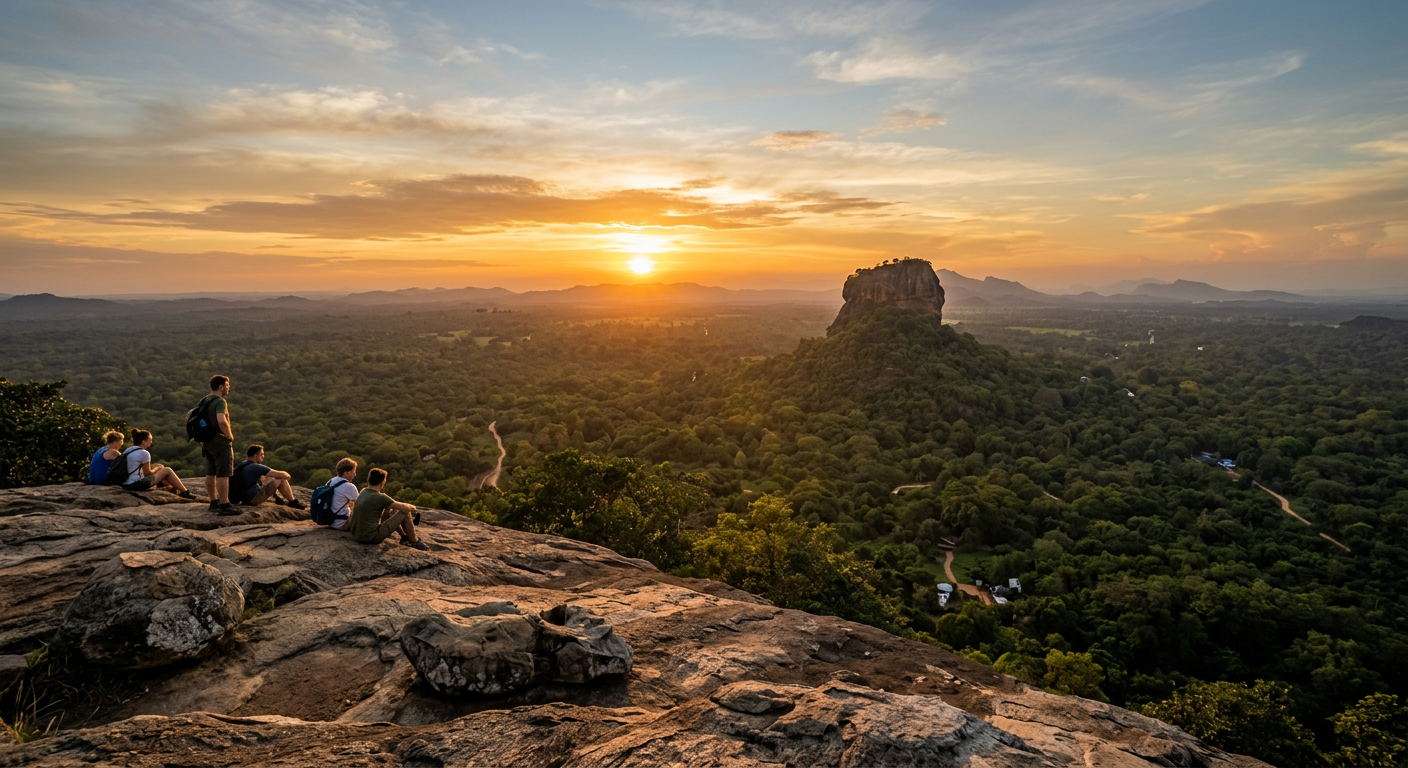
Pidurangala Rock, north of Sigiriya, is popular for its broad view towards Lion Rock. It is sometimes promoted as a simple alternative, but that description can be misleading. The upper route involves rough ground and scrambling over or between boulders. It may be unsuitable for young children, people with mobility limitations or anyone uneasy on exposed, uneven terrain.
The route passes through an active Buddhist temple area, so dress respectfully with shoulders and knees covered. Footwear may need to be removed in designated religious spaces; follow signs and local guidance. Carry a light if walking near dawn or dusk, keep both hands available for the scramble and avoid attempting the upper section in heavy rain or poor visibility.
Sunrise and sunset can be busy rather than secluded. Starting in darkness adds navigation risk, while descending after sunset requires care. If your main goal is a relaxed cultural day, the landscaped grounds at Sigiriya may be a better choice than completing two rock climbs.
Nearby Stops That Keep the Day Balanced
Dambulla Cave Temple
Dambulla is a significant religious site with painted cave interiors and many Buddha images. Reaching the caves still requires an uphill walk, and the exposed rock can be hot. Visit when temperatures are comfortable, carry water and wear clothing that covers shoulders and knees. Shoes must be removed before entering the temple area, so socks can help if the ground is warm. Check where tickets are currently sold before beginning the ascent.
Minneriya, Kaudulla or Hurulu Eco Park
Elephants move through the wider landscape according to water, food and seasonal conditions. Sightings are never guaranteed, and the most suitable park can vary from week to week. Ask a responsible local operator for current, conservation-minded guidance rather than choosing solely from an old seasonal calendar.
A safari is not automatically restful: tracks can be rough, afternoons may be hot and popular sightings can attract many jeeps. Choose an operator whose driver keeps a respectful distance, does not block animals, avoids aggressive positioning and follows park rules. Never ask a driver to approach elephants more closely for a photograph.
A Gentle Local Experience
Cooking demonstrations, garden visits and guided village walks can provide a quieter afternoon. Ask what the activity actually includes, how long it lasts and whether animals are used. Choose experiences that benefit local hosts without staging intrusive visits or involving rides that raise welfare concerns.
Choosing a Comfortable Base
Sigiriya is convenient for the rock itself and has guesthouses, hotels and restaurants spread across a rural area. Habarana works well for travellers combining Sigiriya with wildlife areas, while Dambulla offers stronger transport connections and easy access to the cave temple. Journey times depend on traffic and your exact accommodation, so confirm transfers rather than judging distance from the town name alone.
A pool can be welcome, but shade, air circulation, drinking-water access and a flexible breakfast time may matter just as much. Ask whether the property can prepare an early breakfast or packed meal and arrange a tuk-tuk or car before dawn. Confirm the fare, pickup time and return plan in advance.
Sigiriya deserves more than a hurried climb between long drives. By checking current site information, starting early, resting during the hottest hours and limiting the afternoon to one suitable activity, you can experience the Cultural Triangle with more attention and considerably less fatigue.