Sri Lanka can be remarkably good value, but the cheapest option is not always the best use of limited holiday time. Local buses, family-run guesthouses and neighbourhood eateries can be memorable parts of a trip. In other situations, paying more can mean a safer-feeling journey, a quieter night, better organisation or a more thoughtful wildlife experience.
The goal is not to replace local travel with luxury. It is to decide which inconveniences are part of the adventure and which ones may leave you tired, rushed or disappointed. Prices vary considerably by season, location and demand, so compare current quotes rather than relying on a fixed daily budget. The following Sri Lanka budget-versus-comfort guide highlights where an upgrade often adds genuine value.
Transport: Spend According to Time, Not Distance
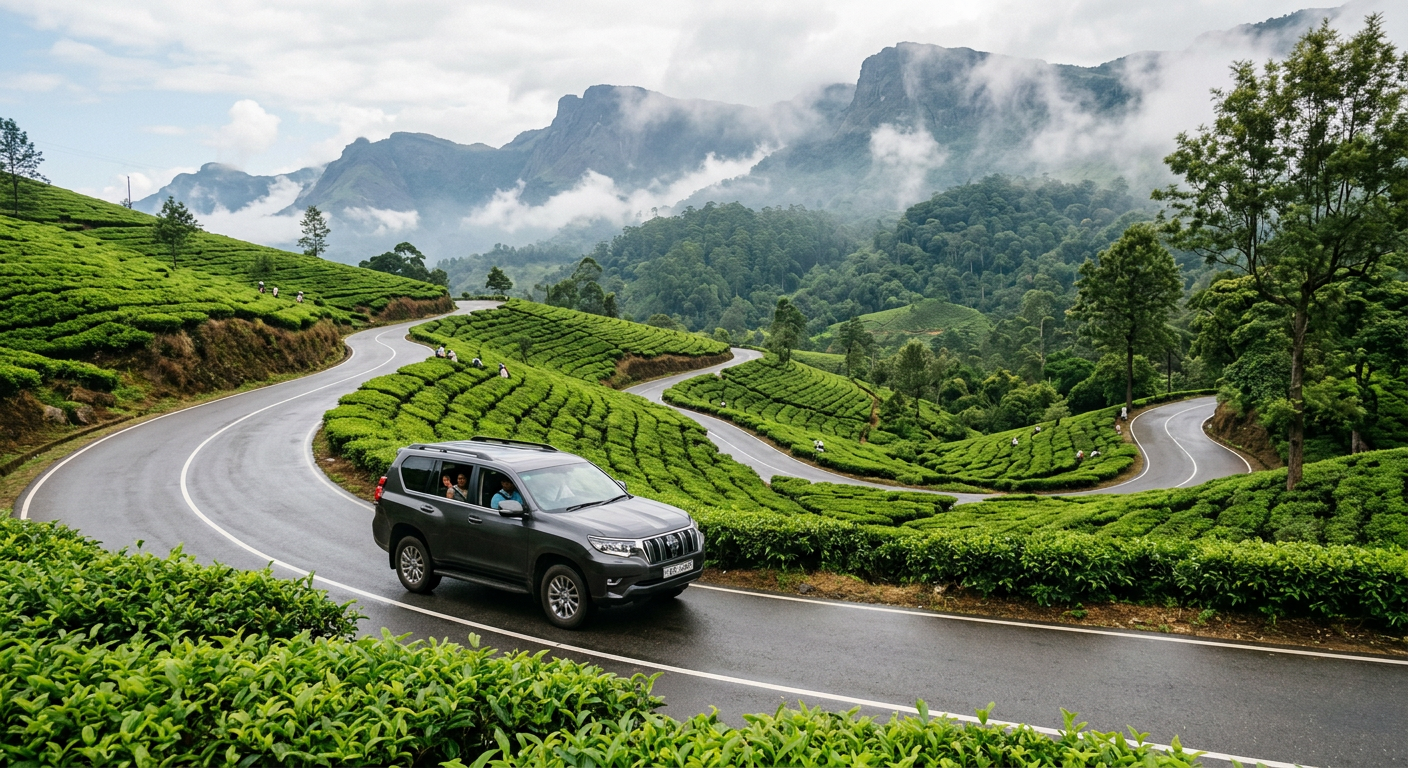
Sri Lanka looks compact on a map, yet journeys can take longer than expected. Roads pass through busy towns, mountain routes are winding, and trains or buses may run slowly. Avoid building an itinerary around distance alone. A transfer that appears short can consume much of a day, particularly around Colombo, Kandy and the hill country.
Public buses are inexpensive and reach an extensive network of towns. They can also be crowded, fast-moving and difficult with large luggage. They work best for flexible travellers making short daytime journeys. Keep valuables secure, confirm the destination before boarding and allow extra time for connections. Air conditioning and luggage space should not be assumed.
Trains are useful on selected routes, especially through the central highlands and along parts of the coast. The Kandy, Nanu Oya, Ella and Badulla line is popular for its scenery, but demand can be intense. A reserved seat is a worthwhile upgrade if tickets are available, particularly during weekends, holidays and peak travel periods. Reservations can sell out, and schedules may change, so check with Sri Lanka Railways or at a station rather than treating a third-party listing as a guarantee.
First-class carriages are generally air-conditioned where offered, while conditions in second class vary by train. Open windows are not guaranteed, and passengers should never lean from doors or carriages for photographs. An unreserved ticket may involve standing for a long period, so it is not automatically the best choice for an “authentic” experience.
When a Car and Driver Helps
A private car can be valuable for the Cultural Triangle, remote accommodation, airport transfers or a route with several stops. It provides luggage space, flexible breaks and door-to-door travel, although congestion means it will not always be dramatically faster. Hiring a car for one awkward section can offer better value than keeping a driver for the entire holiday.
Before accepting a quote, confirm what it includes. Ask about fuel, parking, highway tolls, the driver’s meals and accommodation, waiting time and additional mileage. Check that the vehicle has working seat belts and enough room for every passenger and bag. Clear daily start and finish points also help prevent misunderstandings.
Accommodation: Pay for Location and Sleep Quality
Sri Lanka offers everything from simple homestays to plantation bungalows and boutique hotels. Room rates can change sharply during Christmas, New Year, local holidays and the main beach seasons. Instead of choosing by star rating alone, examine recent reviews, exact map location and room-specific photographs.
Location is often the most useful upgrade. A cheaper room outside Galle Fort, central Kandy or Ella may require repeated tuk-tuk journeys, while a well-placed property can save time and transport costs. Near beaches, check whether “beachfront” means direct access or merely a sea view across a road. In the hill country, ask about steps and vehicle access because some scenic stays sit on steep slopes.
A higher rate can also buy practical comfort: effective air conditioning or a fan, hot water, soundproofing, mosquito screens, backup power and a reliable breakfast. Not every traveller needs every feature. Air conditioning matters more on the coast and in the lowlands than in cooler Nuwara Eliya, while road noise can matter more than a swimming pool during a short city stay.
- Check the room type: The least expensive room may lack the balcony, view or air conditioning shown in the main photographs.
- Read recent reviews: Look for repeated comments about cleanliness, noise, water pressure and staff responsiveness.
- Confirm late arrivals: Small guesthouses may not operate a staffed reception throughout the night.
- Compare the full rate: Check whether breakfast, taxes and service charges are included before judging value.
Safaris: Choose Conduct, Not Just Price
A national park safari is one area where careful selection matters, but a high price alone does not guarantee a responsible operator. Yala is known for leopard habitat but can become busy around sightings. Udawalawe is widely associated with elephants, while elephant movements around Minneriya, Kaudulla and nearby areas vary with rainfall and water levels. No ethical operator should promise a particular animal sighting.
Ask how the driver behaves around wildlife. A responsible jeep should follow park rules, avoid blocking animals, keep an appropriate distance and refrain from racing to sightings. Drivers should not pressure animals to move for a photograph. If several jeeps surround an animal, a patient operator may choose to wait or look for a quieter sighting instead.
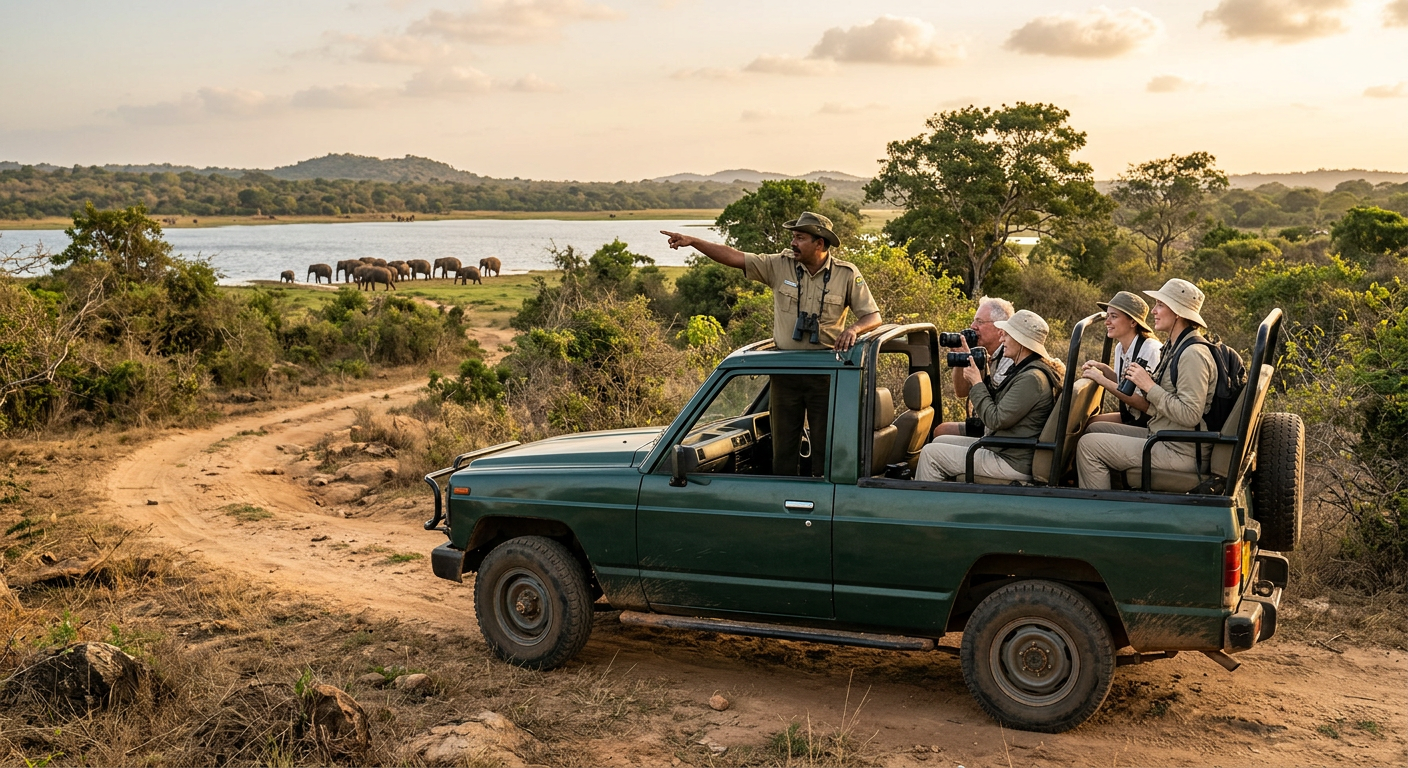
Comfort still matters. Safari tracks can be rough, so ask about the vehicle’s condition, seating layout and canopy. Clarify whether the quote covers the jeep, park entrance charges, applicable taxes and a guide or naturalist. Arrangements differ among parks and operators, and a skilled driver is not necessarily a trained naturalist. Travellers interested in birds, plants or animal behaviour may find a specialist guide worth the additional cost.
Ask what is included, how the team approaches wildlife and what happens when a sighting becomes crowded. The quality of a safari is measured by more than how close the jeep gets to an animal.
Food: Save on Flavour, Upgrade for Setting
Eating locally is one of the easiest ways to keep a Sri Lanka travel budget under control. Small eateries, often called “hotels” even when they do not offer rooms, serve rice and curry, hoppers, short eats and kottu. Busy places with steady local custom can offer excellent food at modest prices. Ask the price before ordering seafood or items that are not displayed on a menu.
A more expensive restaurant can be worthwhile for a slower meal, air conditioning, a licensed bar, a special setting or a wider range of international dishes. It may also be easier to discuss ingredients where staff are accustomed to visitor questions. However, price is not proof of food hygiene, and no restaurant should be assumed to provide an allergen-free environment.
Travellers with serious allergies should communicate the ingredient clearly, including the risk from shared utensils and cooking oil. A translated allergy card can help, but it cannot guarantee the absence of cross-contact. When unsure, speak directly with staff and choose simple dishes whose ingredients can be explained. “Not spicy” may also be interpreted differently, so ask for chilli to be reduced or served separately.
Guides and Experiences: Pay for Useful Context
At Anuradhapura, Polonnaruwa, Sigiriya and Kandy, a knowledgeable guide can add context that signs alone may not provide. A good guide should explain history and religious customs without rushing visitors or turning every stop into a sales opportunity. Arrange one through a trusted accommodation provider, established tour company or official site channel where available, and agree on the duration, route, language and total price before starting.
Guides are especially valuable when time is limited. They can help structure a large archaeological site, identify details that are easy to miss and explain appropriate behaviour at active places of worship. Visitors should still check current opening information and site rules. At Buddhist and Hindu sacred sites, modest clothing is appropriate, and shoes or hats may need to be removed in designated areas.
Some other experiences justify paying for expertise rather than decoration:
- Cooking classes: Look for small-group, hands-on sessions that explain ingredients and techniques. A market visit is useful when it is genuinely included rather than added as a brief photo stop.
- Tea experiences: Confirm whether the visit includes a working factory, estate walk or guided tasting. Production activity can depend on the day and season.
- Whale watching: Sea conditions and whale locations are unpredictable. Choose an operator that explains viewing practices, avoids crowding animals and provides realistic expectations rather than guaranteed sightings.
- Walking tours: In Colombo, Galle Fort or Kandy, a focused tour can reveal local history while reducing aimless travel during the hottest part of the day.
Where the Cheapest Option Can Still Be Best
Not every part of a Sri Lanka holiday needs an upgrade. A family guesthouse may offer warmer service than a large resort. A simple rice-and-curry lunch can be more memorable than an elaborate hotel buffet. A short train or bus journey may provide an enjoyable glimpse of daily life without creating major fatigue.
Spend according to personal priorities. Light sleepers may benefit most from a quiet room, while families may value a spacious vehicle and fewer transfers. Wildlife enthusiasts may prefer a naturalist-led safari, and history lovers may gain more from a guide than from a premium hotel. Leave some flexibility in the budget for weather changes, delayed journeys or an occasional taxi after a tiring day.
A Balanced Sri Lanka Travel Budget
The best-value Sri Lanka itinerary combines affordable local experiences with selective comfort. Save where the budget option is enjoyable and practical; upgrade where it protects your time, rest or quality of experience. Reserved transport, a well-located room, transparent safari arrangements and a knowledgeable guide can each be worth more than a string of unnecessary luxury extras.
Spending well is not the same as spending heavily. With realistic journey times, current price checks and thoughtful choices, travellers can enjoy Sri Lanka’s landscapes, food, heritage and wildlife without turning either discomfort or luxury into the purpose of the trip.