Sri Lanka rewards curious eaters. A single meal might combine fragrant rice, several vegetable curries, dhal, coconut sambol, crisp papadam and a deeply spiced fish or meat curry. Beyond restaurants, bakeries, markets, roadside stalls and small family-run eateries offer an affordable introduction to everyday island life. First-time visitors may still wonder how to order, whether food will be very spicy, or how to judge a street stall. This guide explains the essentials without taking the adventure out of eating.
Understanding Hoppers and String Hoppers
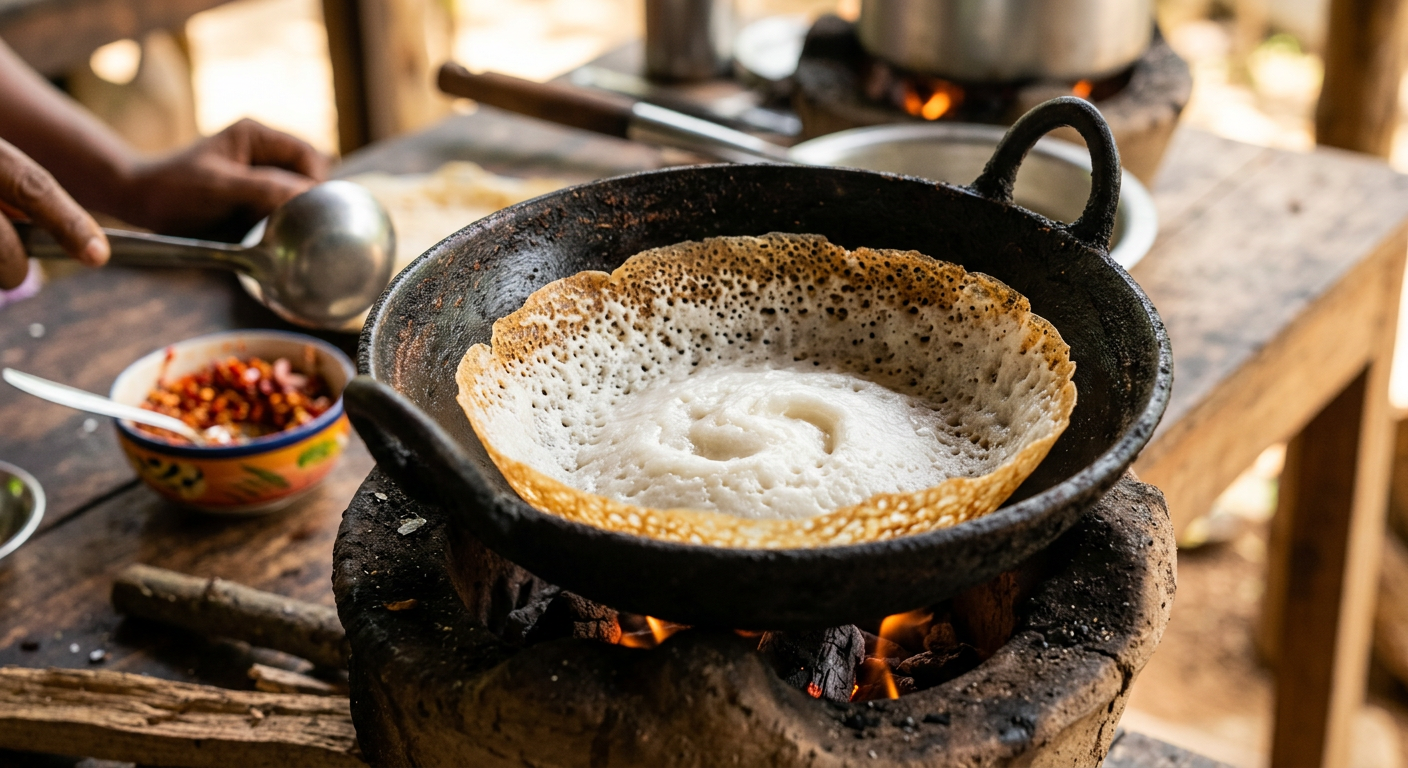
Hoppers, called appa in Sinhala, are bowl-shaped pancakes usually made with rice flour and coconut milk. The batter is commonly fermented, although recipes and preparation methods vary. Each hopper is cooked in a small curved pan, producing a crisp, lacy rim and a softer centre. They are especially associated with breakfast and evening meals, but serving times differ between eateries.
A plain hopper is often paired with curry, coconut sambol or lunu miris, a punchy mixture usually based on red onion, chilli and lime. Traditional versions may contain Maldive fish, so vegetarians should ask rather than assume. An egg hopper has an egg cooked in its centre. Some places also offer sweet hoppers, sometimes with coconut milk or palm sugar.
Despite the similar English name, string hoppers, or idiyappam, are a separate dish. These steamed nests of pressed rice-flour noodles are served with curries, sambols or kiri hodi, a mild, savoury coconut milk gravy. Tear a hopper into pieces and use each piece to scoop up its accompaniments, or request cutlery if that is more comfortable.
Rice and Curry Etiquette
Sri Lankan rice and curry is not one fixed recipe. It is a combination of rice and several preparations selected to balance heat, richness, acidity and texture. A plate may include dhal, leafy mallung, coconut sambol, fried or pickled accompaniments, vegetables such as pumpkin or brinjal, and a fish, chicken or meat curry. Red, white and other local rice varieties are used depending on the household, region and restaurant.
Eating with the fingertips of the right hand is customary in many homes and casual eateries. Wash and dry your hands first, then mix a small amount of rice with curry using the fingertips rather than the whole palm. Gather it into a manageable portion and use the thumb to guide it into your mouth. In more traditional settings, the right hand is also the polite choice when taking or passing shared food.
This custom should not feel like a test. Spoons and forks are widely used, and it is perfectly acceptable to request them. When invited into a home, follow your host's lead, wait until food is offered, and compliment dishes you enjoy. If seconds are encouraged but you are full, a warm and polite refusal is enough.
Ordering Spice Levels and Portions
Sri Lankan food can be hot, but not every dish is dominated by chilli. Coconut milk, dhal and vegetables often provide balance. Asking for food to be not too spicy may help at restaurants that cook to order, although a curry prepared earlier cannot always be adjusted. Order a few dishes first, taste them together with rice, and add sambol gradually.
At small lunch shops, rice and curry may be served as a set plate or parcel with limited choices. Ask what is available that day and confirm the price before adding fish, chicken, egg or extra portions. Bakeries and cafés display savoury snacks known collectively as short eats; staff can usually identify the fillings, but recipes are not standardised.
Visiting Local Markets
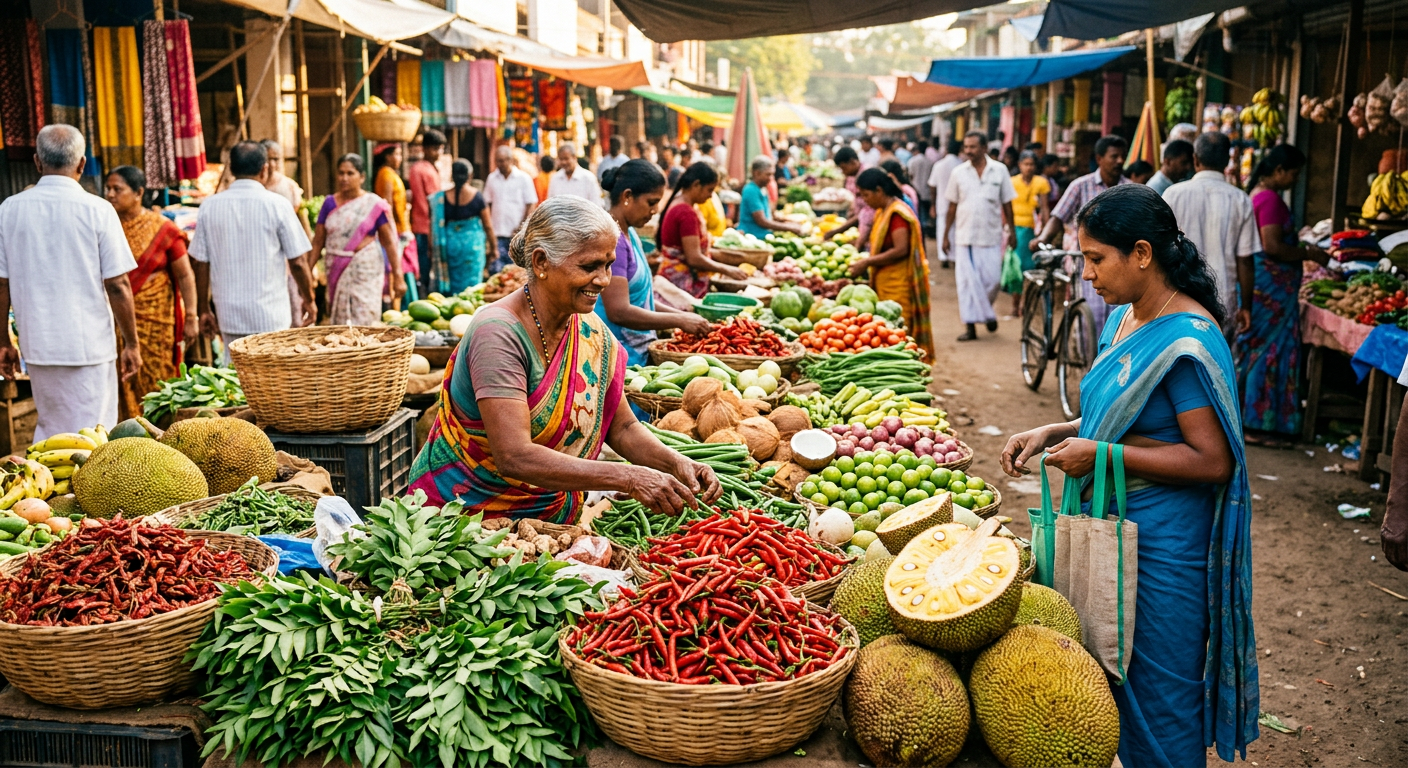
A produce market, often called a pola, is a good place to see what is in season. Depending on the region and time of year, stalls may carry jackfruit, wood apple, mangosteen, rambutan, several banana varieties, leafy greens, dried fish and fresh bundles of curry leaves. Morning visits are often cooler and may provide the broadest selection, although operating days and hours vary by town.
Keep bags close in crowded aisles, avoid blocking working vendors and ask permission before photographing people. Prices may be displayed, quoted by weight or given per item. A friendly question is appropriate, but aggressive bargaining over small amounts is not. If sampling cut fruit, apply the same hygiene checks you would use at any food stall.
Sri Lanka is particularly known for Ceylon cinnamon, and markets also sell cardamom, cloves, pepper and curry powders. Choose clean, dry products with clear packaging when possible. If taking spices or plant products abroad, check the customs and biosecurity rules of your destination before buying.
Practical Street Food Safety
No visual check can guarantee that food will be safe, but careful choices can reduce avoidable risk. A busy stall with rapid turnover is a useful sign, not proof of hygiene. Watch how ingredients are stored, how money and food are handled, and whether the preparation area and utensils appear reasonably clean.
- Choose freshly cooked food: Prefer dishes cooked in front of you and served piping hot. Food that has been sitting uncovered or merely warmed deserves more caution.
- Check ingredient storage: Meat, seafood, dairy products and cut fruit should not appear to have been left in the sun or at ambient temperature for long periods.
- Be selective with raw items: Salads, garnishes and pre-cut fruit can carry extra risk if washing water or handling is uncertain. Whole fruit that you wash with safe water and peel yourself is a simpler option.
- Use safe drinking water: Choose sealed bottled water from a recognised source or water that has been properly filtered or treated. If you are uncertain about ice, ask how it was made or order the drink without it.
- Observe washing practices: Repeatedly rinsing plates in visibly dirty standing water is a reason to choose another vendor. Reusable plates washed through a clean system are preferable to treating disposable plastic as the default.
- Notice hand contact: Ideally, the person handling cash should not touch ready-to-eat food without washing hands or using utensils.
- Trust your senses: Skip food with an unusual smell, stale texture or questionable appearance, even if the stall is popular.
Carry hand sanitiser for occasions when soap and water are unavailable, but use proper handwashing when possible. Start with modest portions while adjusting to unfamiliar richness and chilli. If you become significantly or persistently unwell, seek advice from a qualified healthcare professional rather than relying on a street-food remedy or social media tip.
Street Foods Worth Trying
Kottu roti is one of Sri Lanka's most recognisable evening foods. Cooks chop pieces of godamba roti on a hot griddle with vegetables, egg and, depending on the order, chicken, cheese or other additions. Curry sauce and seasoning bring the mixture together. The rhythmic sound of metal blades striking the griddle often announces a kottu shop before you see it.
Wade, also written as vadai or vada, are savoury fried snacks. Parippu wade are usually made with lentils, while isso wade feature prawns. Choose pieces that are freshly fried and hot rather than snacks that have sat uncovered for a long time.
Other popular short eats include vegetable roti, fish rolls, cutlets and patties. Fillings and spice levels vary, and names do not always reveal every ingredient. For a more substantial meal, look for string hoppers, coconut roti, fried rice or lamprais, a banana-leaf-wrapped rice dish with Dutch Burgher roots whose contents differ between cooks.
Vegetarian, Vegan and Allergy Awareness
Vegetable dishes are plentiful, but a dish that looks vegetarian may contain Maldive fish, dried fish, egg, ghee or a meat-based flavouring. Explain your requirements clearly and ask specifically about sambols, gravies and shared cooking oil. Vegan travellers should also confirm whether coconut-based dishes contain dairy or egg.
People with serious food allergies should not rely only on a dish name. Recipes vary, and small kitchens may use shared utensils, fryers and preparation surfaces. Carry a written allergy card, discuss cross-contact directly with staff and choose accommodation or restaurants able to explain their ingredients. Coconut, seafood, egg, dairy, wheat and nuts all appear in Sri Lankan cooking.
Desserts, Curd and Ceylon Tea
For dessert, try watalappan, a steamed coconut custard usually flavoured with jaggery and spices such as cardamom or nutmeg. Another favourite is curd and treacle, traditionally thick buffalo curd topped with syrup from the kithul palm. Those avoiding dairy should confirm what kind of curd is being served.
Finish with Ceylon tea, offered plain, with milk or sweetened. Tea styles vary considerably between low-, mid- and high-grown regions, so tasting it near the source can be as interesting as visiting a market. Stay observant, ask friendly questions and remain flexible: Sri Lanka's food culture is best enjoyed as a conversation rather than a checklist.