Sri Lanka’s best-known journeys follow the mainland’s beaches, hill country and ancient cities, but several islands and island landscapes offer a different view of the country. Pigeon Island has shallow reefs, Delft combines coral-stone ruins with a distinctive dry-zone landscape, Kalpitiya’s lagoon islands attract kite-surfers, and Mannar rewards travellers interested in birdlife and history. These places are not linked by a single island-hopping route: they sit on different coasts, and each requires separate planning. Treat them as additions to an east coast, Jaffna, Kalpitiya or northern itinerary rather than stops to squeeze into one hurried trip.
Pigeon Island National Park: Snorkelling off Nilaveli
Pigeon Island National Park lies offshore from Nilaveli, north of Trincomalee. The protected area is named for the rock pigeons associated with its rocky islets, although most visitors come for the surrounding reef. Snorkellers may see reef fish, turtles and blacktip reef sharks in the shallows. Sightings are never guaranteed, and visibility, currents and coral condition vary with weather and sea conditions.
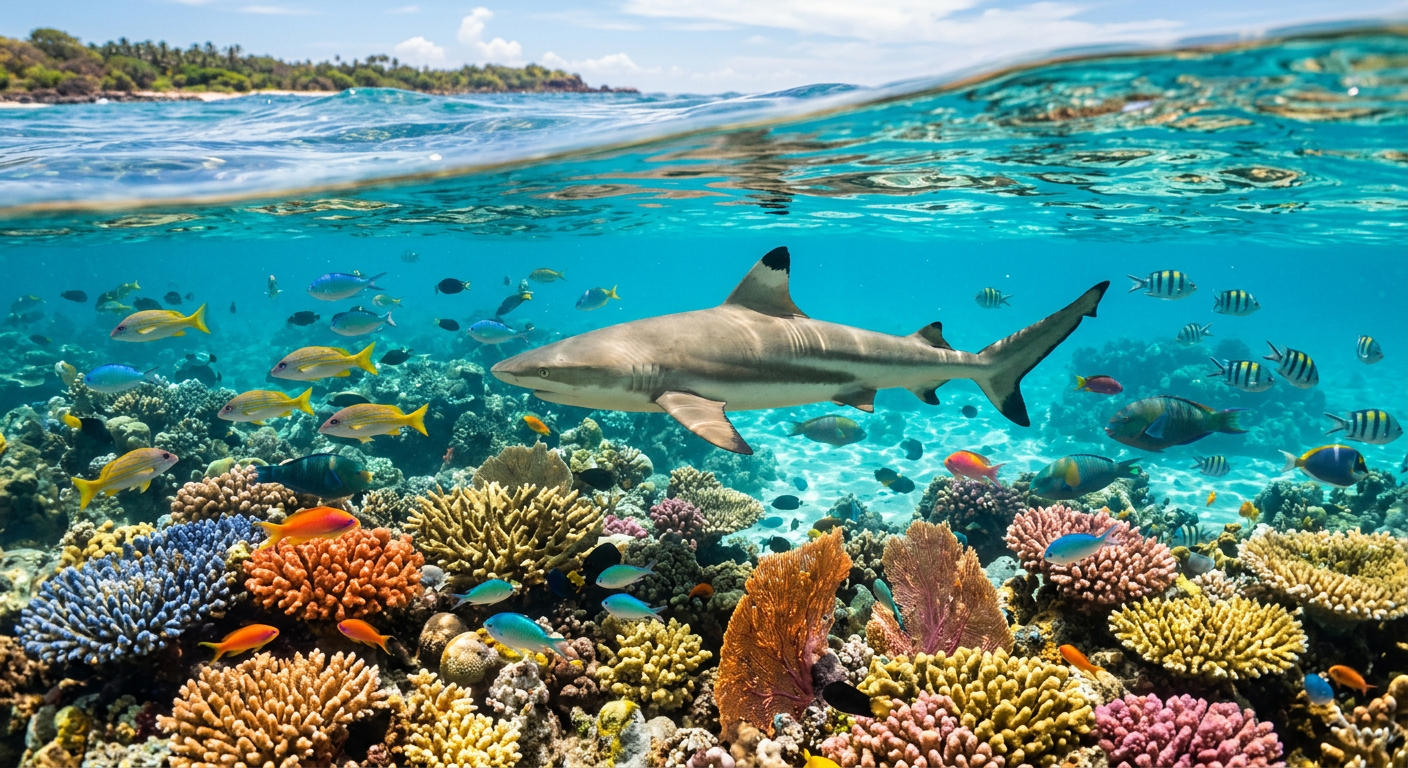
The east coast usually has calmer conditions from around May to September, but seasonal patterns are not exact. Operators may cancel trips when wind, swell or currents make the crossing unsuitable. An early departure can mean cooler temperatures and fewer visitors, although crowd levels depend on weekends, holidays and tour schedules. The beach is small, with limited shade, so this is generally a half-day outing rather than an all-day island escape.
Boats leave from the Nilaveli area, and trips can be arranged through established accommodation providers, dive centres or licensed boat operators. National park charges and boat prices can change, so confirm what is included before paying. Ask whether masks, snorkels and properly fitting life jackets are supplied. Less confident swimmers should tell the guide and remain within their limits. Keep a respectful distance from sharks and turtles, never chase or feed wildlife, and do not touch, stand on or remove coral. Reef-safe behaviour matters more than getting close for a photograph.
Delft Island: History and Open Landscapes near Jaffna
Delft Island, also known as Neduntheevu, sits in the Palk Strait west of the Jaffna Peninsula. Its flat, sun-baked landscape of palmyra palms, grazing land and coral-stone walls feels markedly different from much of Sri Lanka. The island is inhabited, so visitors are entering a working community rather than an open-air attraction. Dress respectfully around villages and places of worship, ask before photographing people, and avoid blocking roads or access to homes.
Landmarks commonly included on local tours include the coral-stone ruins known as Delft Fort, first associated with the Portuguese period and later used by the Dutch, a colonial-era pigeon structure and a large baobab tree. Stories about who introduced the baobab vary, so they are best treated as local historical traditions rather than settled fact. Delft is also known for its free-roaming ponies, often linked to the island’s colonial past. Their precise lineage is not straightforward, and they should be viewed from a distance without feeding or attempting to touch them.
Delft is best approached as a slow, weather-dependent day trip. The ferry journey and the island’s limited infrastructure are part of the experience, not inconveniences to rush through.
Passenger boats generally depart from Kurikadduwan, often called KKD jetty, which can be reached by road from Jaffna. Timetables, capacity, fares and operating arrangements may change, particularly during rough weather or maintenance, so verify details locally shortly before travelling and arrive early. If considering a private boat, use an established operator and check that life jackets are available. On Delft, travellers commonly hire a local tuk-tuk or similar vehicle for a circuit of the dispersed sights. Agree on the route, duration and price first. Carry water, sun protection, snacks and sufficient cash; services are limited, distances are deceptive in the heat, and mobile coverage may be inconsistent.
Kalpitiya’s Lagoon Islands and Kite-Surfing
Kalpitiya lies between the Indian Ocean and Puttalam Lagoon on Sri Lanka’s northwest coast. Its wider lagoon system contains sandy islands, fishing settlements, mangroves and shifting sandbanks. Some locations are reached only by boat, and names may be used differently by local operators. Rather than trying to visit independently, arrange excursions through a reputable kite school, accommodation provider or boat operator familiar with the lagoon, wind and channels.
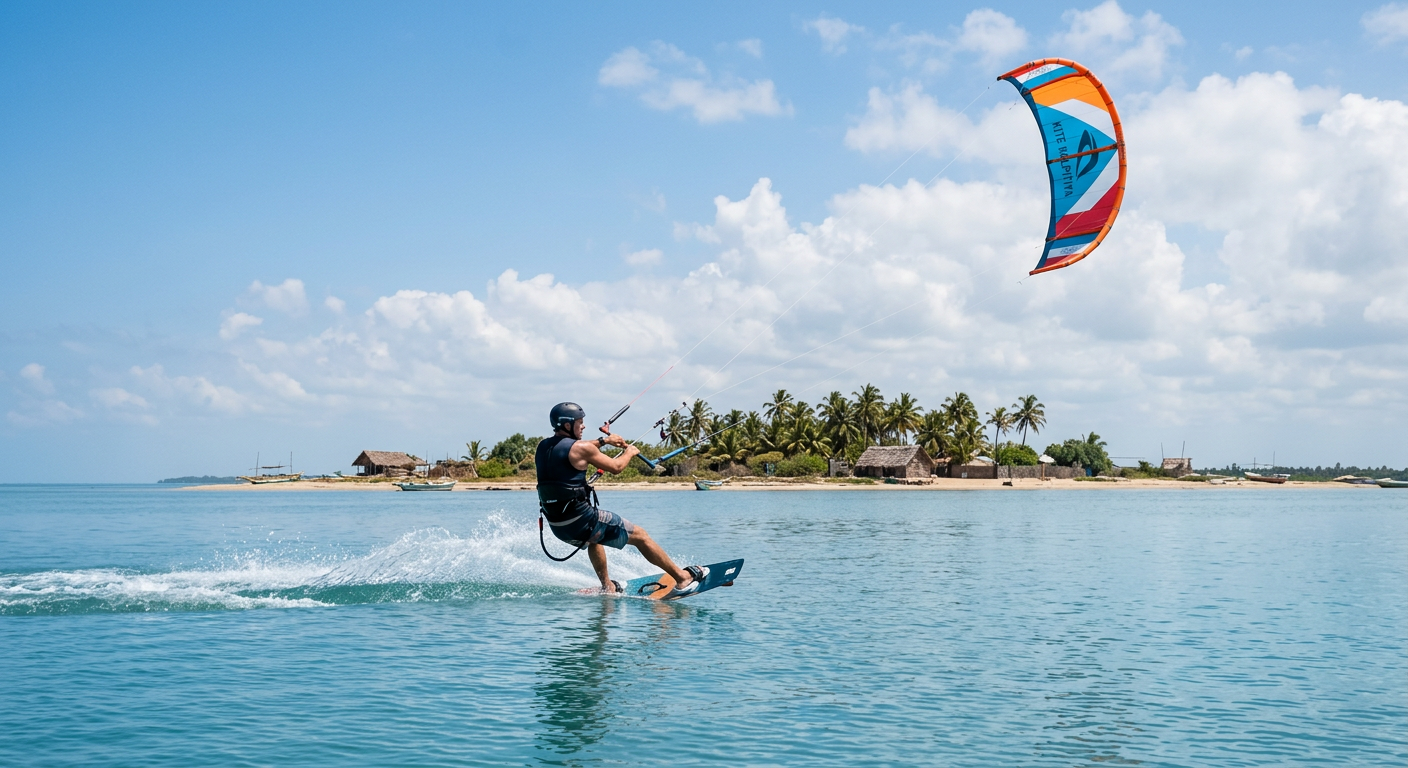
The area is known internationally for kite-surfing. Stronger southwest-season winds often occur from roughly May to September or October, with another wind period commonly experienced from December into February or March. Conditions vary by year and by location. Vella Island is particularly valued for flat-water riding, but it is remote and can be exposed to strong wind. Beginners should not assume every island spot is suitable for instruction. Choose a recognised school, ask about instructor supervision and safety boats, and follow local advice on weather and ability level.
Non-kiters can enjoy lagoon trips, mangrove scenery and visits arranged with local communities, but expectations should remain realistic. These are working fishing areas rather than manicured resort islands. Take all rubbish back, avoid disturbing nets and boats, and do not enter settlements as though they are tourist displays. Some operators offer meals or beach stops; confirm whether drinking water, shade and toilets are available before departure.
Dolphin-watching trips also operate from the Kalpitiya area, often during calmer months from approximately November to April. Wildlife movements and sea conditions are unpredictable, so sightings cannot be promised. Select an operator that avoids crowding, chasing or cutting across pods and that maintains a sensible viewing distance. Trips may be cancelled if the sea is unsuitable, which should be treated as a responsible safety decision.
Mannar Island: Fort, Baobabs and Migratory Birds
Mannar Island is connected to the mainland by road, making it easier to reach than Delft or Pigeon Island. Its dry coastal scenery includes salt pans, shallow lagoons, fishing communities and windswept stretches of land. Mannar town has practical services and a growing range of simple accommodation, but travellers should still expect fewer tourism facilities than in Sri Lanka’s major coastal resorts.
Mannar Fort stands near the waterfront and reflects Portuguese and Dutch colonial periods, with later use under British rule. Visitors should take care around uneven masonry and follow any local access restrictions. The island’s baobabs are another distinctive sight, although claims about their exact ages and origins differ. They are culturally and botanically significant trees, so avoid climbing on roots, carving bark or leaving litter around them.
The Mannar region is especially rewarding for birdwatchers during the northern winter migration, broadly from November to March. Flamingos, ducks, terns and other waterbirds may occur around suitable wetlands, but flock sizes and locations change with rainfall, salinity, food and disturbance. A local bird guide can improve identification and help visitors find appropriate viewing points without approaching roosts or feeding areas too closely. Binoculars are far more useful than trying to walk towards a distant flock.
Which Sri Lankan Island Experience Should You Choose?
- For snorkelling: Choose Pigeon Island while staying in Nilaveli or Trincomalee, allowing flexibility for sea conditions.
- For northern history and remoteness: Add Delft to a Jaffna stay, ideally with a spare day in case boat arrangements change.
- For kite-surfing: Base yourself in Kalpitiya and book with a school that selects locations according to wind and ability.
- For birdwatching and quiet landscapes: Spend at least one night in Mannar rather than attempting a rushed return journey.
Travel times between these regions are substantial. Pigeon Island is on the northeast coast, Delft is reached through Jaffna, Kalpitiya is in the northwest, and Mannar lies farther north. Combining all four makes sense only within a longer Sri Lanka itinerary. For most visitors, one island region paired with nearby mainland sights will produce a calmer and more rewarding trip.
Practical Tips for Visiting Sri Lanka’s Islands
- Check conditions close to departure: Monsoons provide a useful planning framework, but daily wind, rain and swell determine whether boats operate. Reconfirm the evening before or on the morning of travel.
- Verify current transport details: Ferry schedules, departure points, park procedures and fares can change. Ask your accommodation, a local tourism office or the operator directly rather than relying only on an old online timetable.
- Prioritise boat safety: Use established operators, wear a life jacket when instructed and keep bags protected from spray. Do not pressure a skipper to depart in unsafe weather.
- Prepare for heat: Delft and Mannar can be intensely hot, with limited shade. Carry drinking water, a hat, breathable clothing and sunscreen, and avoid unnecessary walking during the hottest part of the day.
- Carry cash and essentials: ATMs and card payments may be unavailable away from larger towns. Bring small notes, personal medication, snacks and a charged phone, but do not carry more cash than needed.
- Protect wildlife and reefs: Never feed ponies, dolphins, sharks, turtles or birds. Keep away from nesting and roosting areas, and leave shells, coral and plants where they belong.
- Travel lightly: Space on public passenger boats can be limited. A small day bag is easier to manage than large luggage, particularly on Delft ferries and beach landings.
A Different Perspective on Sri Lanka
Sri Lanka’s islands are rewarding precisely because they do not all offer the same experience. One may involve a short snorkelling excursion, another a public boat journey and a dusty tuk-tuk circuit, while others are best explored from a kite camp or a quiet northern base. Plan around local conditions, leave room for changes, and approach inhabited islands with the same respect you would show any community. With realistic expectations, these coastal detours can reveal some of the country’s most memorable landscapes, wildlife and layered histories.