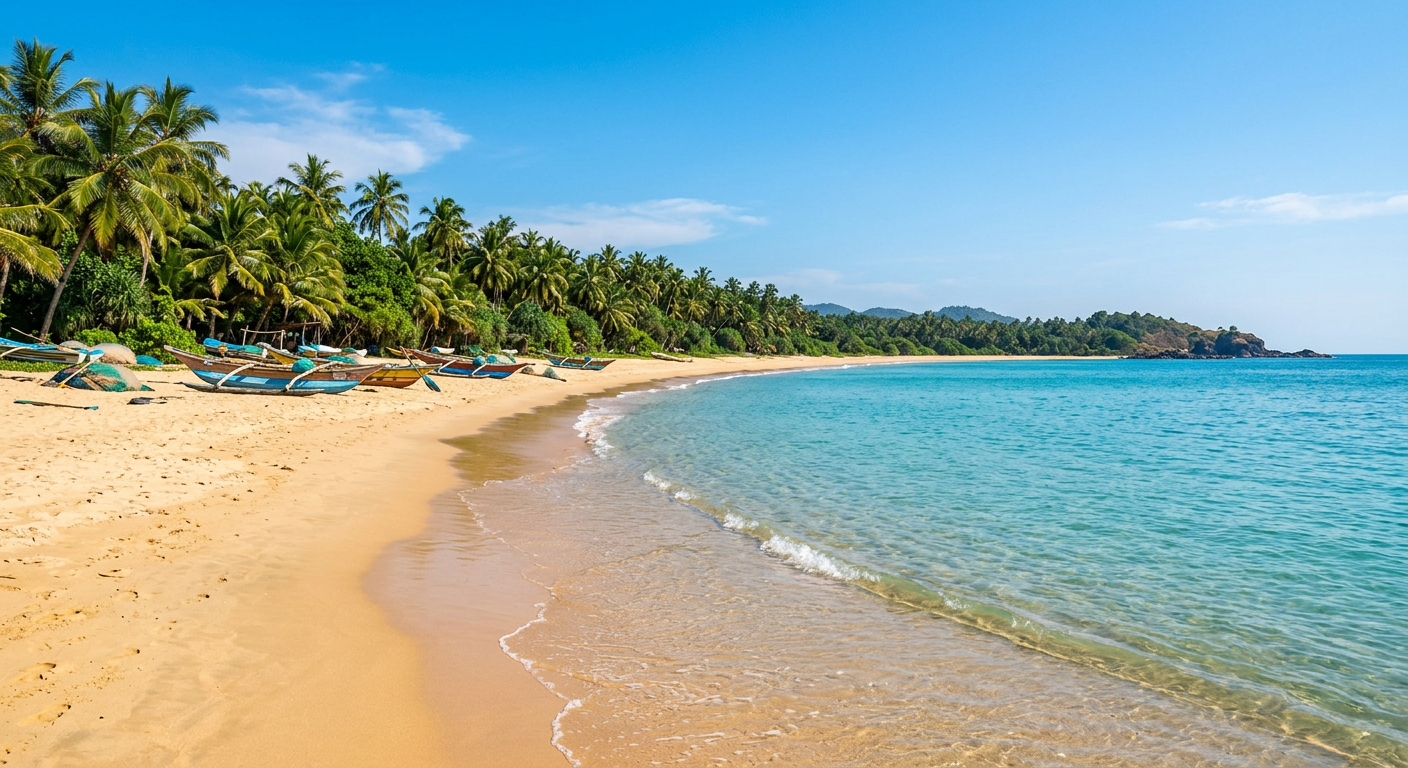
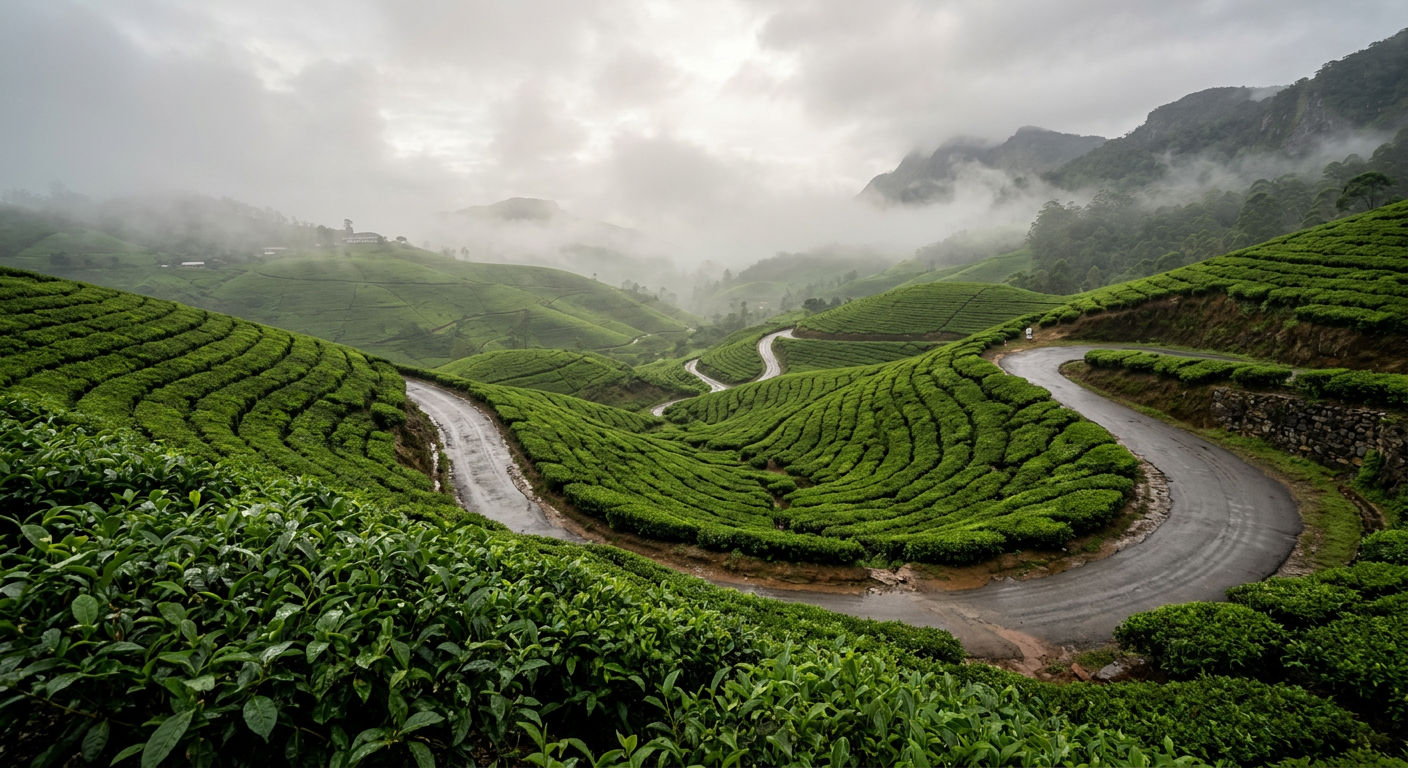
Sri Lanka is a year-round destination, but understanding its unique weather patterns is the key to a perfect trip. Unlike many tropical destinations with a simple wet and dry season, this teardrop-shaped island experiences two distinct monsoons. This might sound intimidating, but it’s actually a traveler's secret weapon: it means there is always a sunny beach, a dry cultural site, and a perfect cup of tea waiting for you, provided you know where to look.As a travel editor who has navigated these weather patterns for years, I can assure you that the "best time to visit" depends entirely on what you want to do and which coast you plan to explore. Let’s break down the Sri Lankan climate so you can plan your itinerary with confidence.The Maha Monsoon (Northeast Monsoon)From October to January, the Maha monsoon brings rain to the East Coast, the Northern region, and the ancient cities of the Cultural Triangle. During this time, the ocean on the east side becomes rough, and many beachside businesses in places like Arugam Bay and Trincomalee close for the season.However, this is the prime time to visit the West and South coasts. If you're dreaming of the classic Sri Lankan beach holiday—surfing in Weligama, exploring the historic Galle Fort, or lounging on the golden sands of Mirissa—this is your window. The weather in the southwest is generally sunny and dry, making it ideal for coastal relaxation and whale watching.The Yala Monsoon (Southwest Monsoon)From May to August, the weather flips. The Yala monsoon sweeps in from the Indian Ocean, bringing heavy rains and strong winds to the West and South coasts, as well as the Hill Country. The seas become choppy, and swimming on the southern beaches is often unsafe.But don't let this deter you from a summer trip! This is when the East Coast truly shines. The beaches of Trincomalee, Passikudah, and Arugam Bay (a world-renowned surf spot) enjoy calm, clear waters and brilliant sunshine. It’s also a fantastic time to explore the Cultural Triangle—Sigiriya, Polonnaruwa, and Anuradhapura—which remains relatively dry during these months.The Inter-Monsoon SeasonsSri Lanka also experiences two inter-monsoon periods: October to November and March to April. These transition months can be unpredictable, often bringing afternoon thunderstorms across the entire island. While you might encounter some rain, these showers are usually brief and heavy, clearing up to reveal bright, washed skies.These shoulder seasons can be excellent for budget travelers, as accommodation prices often drop, and the major tourist sites are less crowded. Just pack a lightweight raincoat and plan your outdoor activities for the mornings.Navigating the Hill CountryThe Hill Country, home to Nuwara Eliya, Ella, and endless tea plantations, has its own microclimate. Because of the elevation, it is significantly cooler than the coasts year-round. You’ll need a sweater or light jacket, especially in the evenings.The Hill Country receives rain from both monsoons, but the wettest months are typically October and November. If you're planning to hike Adam's Peak or take the famous Kandy to Ella train ride, the driest and clearest months are usually from January to March.Wildlife and the WeatherSri Lanka is famous for its wildlife, and the weather plays a crucial role in animal sightings. Yala National Park, famous for its leopards, is best visited during the dry season (February to July) when animals congregate around waterholes. However, the park often closes for a month in September or October to allow the environment to recover.Minneriya National Park is famous for "The Gathering," where hundreds of elephants congregate around the Minneriya Tank. This spectacular event peaks during the dry season in the North Central province, typically between July and September.Practical Tips for Packing and PlanningRegardless of when you visit, pack lightweight, breathable clothing. Cotton and linen are your best friends in the humidity. Always bring a reliable, lightweight rain jacket or a compact umbrella—even in the dry season, a sudden tropical downpour is possible.When planning your itinerary, build in some flexibility. If a sudden shower interrupts your beach day, use the time to enjoy a long, leisurely rice and curry lunch or book an Ayurvedic massage.Ultimately, there is no "wrong" time to visit Sri Lanka. By understanding the rhythm of the Maha and Yala monsoons, you can chase the sunshine across the island and experience the very best this incredible destination has to offer.