Northern Province · culture
Jaffna
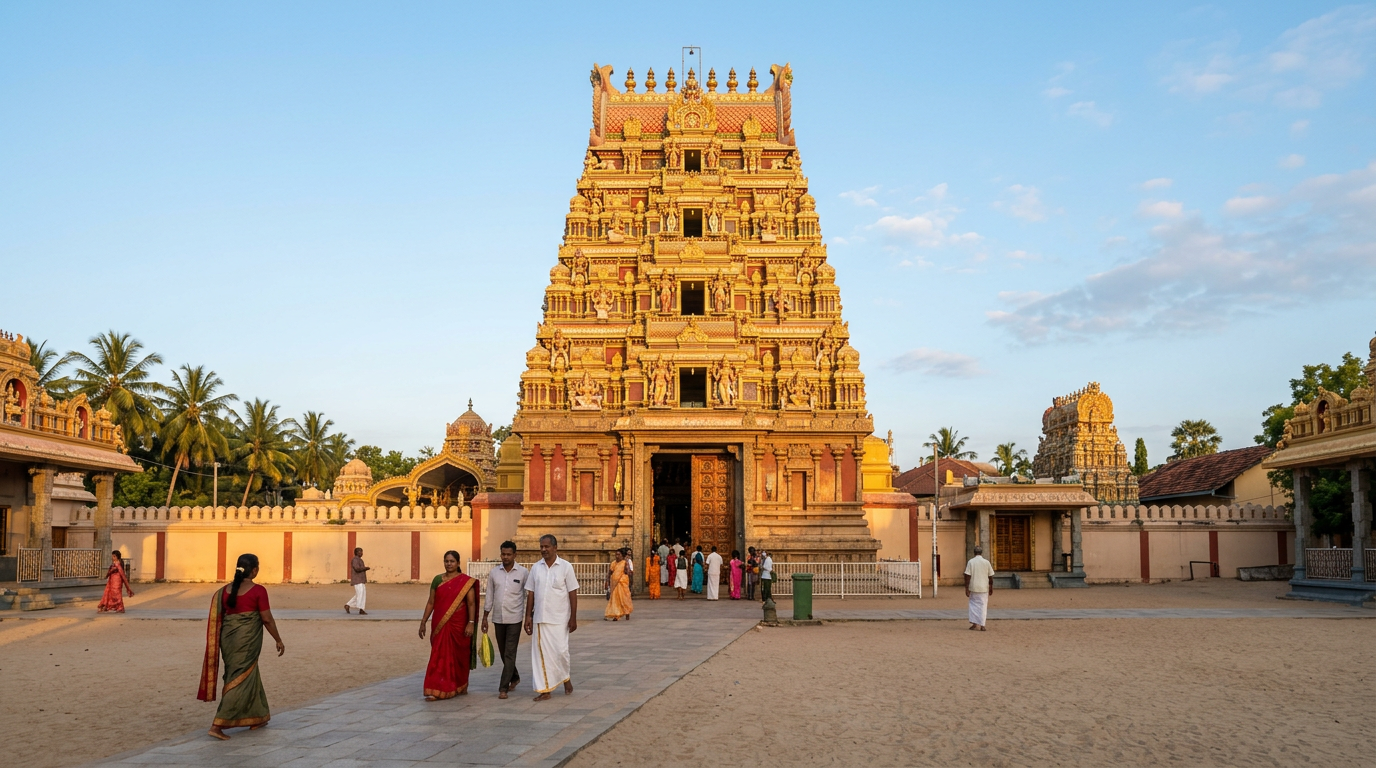
Jaffna is the cultural heart of northern Sri Lanka, known for Tamil traditions, Hindu temples, historic landmarks, palmyrah landscapes, and distinctive food. The city is also a useful base for exploring the beaches, sacred sites, and islands of the Jaffna Peninsula. Best time: February to September is generally drier, although Jaffna remains hot. October to January can bring northeast monsoon rain. The Nallur festival is usually held in July or August, with exact dates changing each year..
About Jaffna
About
Jaffna offers a side of Sri Lanka that feels different from the better-known southern and central regions. Tamil is the main language, Hindu traditions shape daily life, and palmyrah palms rise above the flat landscape. The city and surrounding peninsula contain colourful temples, colonial-era remains, busy markets, quiet coastlines, and communities with a complex modern history.
Allow at least two or three days if you want to see the city and make a trip into the peninsula or nearby islands. Central landmarks can be visited by tuk-tuk, but a hired car is more convenient for places such as Keerimalai, Point Pedro, and Casuarina Beach. Nainativu and Delft require additional road and ferry travel.
Highlights
- Nallur Kandaswamy Kovil is Jaffna's best-known Hindu temple and an important place of worship dedicated to Murugan. Its annual festival attracts large crowds, while regular worship offers a quieter experience.
- Jaffna Fort began as a Portuguese stronghold and was later rebuilt by the Dutch. Its surviving walls and waterside setting provide a clear view of the city's colonial history.
- Jaffna Public Library is an important civic and cultural landmark. The present building was reconstructed after the original library was destroyed in 1981, and visitor access may depend on current rules.
- Jaffna Market is a good place to see local produce and palmyrah products. Regional dishes include crab curry, seafood, kool soup, dosai, and sweets made with palmyrah jaggery.
- The wider peninsula includes Keerimalai, Kankesanthurai, Point Pedro, and Casuarina Beach. These places combine religious sites, coastal scenery, and small-town life.
- Nainativu has important Hindu and Buddhist pilgrimage sites. More distant Delft is known for its coral-stone walls, colonial ruins, open landscape, and free-roaming ponies, although sightings are never guaranteed.
When to visit
February to September is generally the drier period in Jaffna. Days are hot throughout much of the year, with especially strong heat from April into the middle of the year. The northeast monsoon usually brings more rain and occasional travel disruption from October to January.
The Nallur festival is normally held in July or August according to the Hindu calendar. It is a memorable time to visit, but roads around the temple become busy and accommodation should be booked early. Confirm the current year's dates before planning a festival trip.
How to get there
Direct trains normally connect Colombo Fort with Jaffna through Anuradhapura and Vavuniya. The journey often takes about seven to eight hours, but railway timetables and journey times can change, so check the current schedule and reserve a seat when possible.
Long-distance buses also run from Colombo and other northern cities. Driving from Colombo follows the A9 and usually takes most of a day, depending on traffic and stops. Jaffna International Airport is near Palaly, but available routes and frequencies can change. Within the city, tuk-tuks and local buses are widely used. A hired car with a driver is practical for a full-day peninsula trip.
Travel tips
- Remove footwear before entering temples. At Nallur, men are normally expected to remove shirts, while all visitors should cover their shoulders and legs appropriately.
- Ask before photographing worshippers, religious ceremonies, government buildings, or security sites.
- Carry water, sun protection, and a hat. Midday heat can make walking uncomfortable.
- Take cash when visiting small towns and islands because card payments and ATMs may be limited outside Jaffna city.
- Check ferry times locally before visiting Nainativu or Delft. Services are basic and may change because of weather or operational conditions.
- Do not assume that beaches have lifeguards. Check local conditions before swimming, especially during windy or rainy weather.
- Discuss the civil war and recent history with sensitivity, and avoid intrusive questions or photographs.
Highlights
- Nallur Kandaswamy Kovil
- Jaffna Fort
- Jaffna Public Library
- Jaffna Market and local cuisine
- Keerimalai and the northern coastline
- Nainativu and Delft islands
When to visit Jaffna
February to September is generally drier, although Jaffna remains hot. October to January can bring northeast monsoon rain. The Nallur festival is usually held in July or August, with exact dates changing each year.
How to get there
Direct trains and long-distance buses connect Colombo with Jaffna. The train usually takes about seven to eight hours, while road travel along the A9 takes most of a day. Limited flights may use Jaffna International Airport near Palaly, but current routes should be checked before booking.
Travel tips
- Dress modestly and remove footwear at temples; men are normally required to remove shirts at Nallur.
- Carry water, a hat, and sun protection because daytime heat can be intense.
- Ask permission before photographing worshippers and avoid photographing security sites.
- Carry cash for island and peninsula trips where cards and ATMs may not be available.
- Confirm local ferry schedules before visiting Nainativu or Delft.
- Check sea conditions and local advice before swimming at northern beaches.
- Treat conversations about the region's conflict history with sensitivity.
Nearby places
- Casuarina Beach
- Keerimalai
- Kankesanthurai
- Point Pedro
- Nainativu Island
- Delft Island
Map
Location of Jaffna in Northern Province, Sri Lanka (9.6615, 80.0255).
Quick answers about Jaffna
What is Jaffna known for?
Jaffna is the cultural heart of northern Sri Lanka, known for Tamil traditions, Hindu temples, historic landmarks, palmyrah landscapes, and distinctive food. The city is also a useful base for exploring the beaches, sacred sites, and islands of the Jaffna Peninsula. Travellers usually come for Nallur Kandaswamy Kovil in Sri Lanka’s Northern Province.
When is the best time to visit Jaffna?
Best time guidance for Jaffna: February to September is generally drier, although Jaffna remains hot. October to January can bring northeast monsoon rain. The Nallur festival is usually held in July or August, with exact dates changing each year.. Shoulder weeks are often quieter if weather stays workable.
How do I get to Jaffna?
Direct trains and long-distance buses connect Colombo with Jaffna. The train usually takes about seven to eight hours, while road travel along the A9 takes most of a day. Limited flights may use Jaffna International Airport near Palaly, but current routes should be checked before booking.
How many days do I need in Jaffna?
Most travellers spend 1–3 nights in or near Jaffna, depending on whether they want a quick highlight stop or a slower base for walks and day trips.
What should I know before visiting Jaffna?
Dress modestly and remove footwear at temples; men are normally required to remove shirts at Nallur. Pair the visit with Casuarina Beach, Keerimalai, Kankesanthurai when building a realistic Sri Lanka route.